
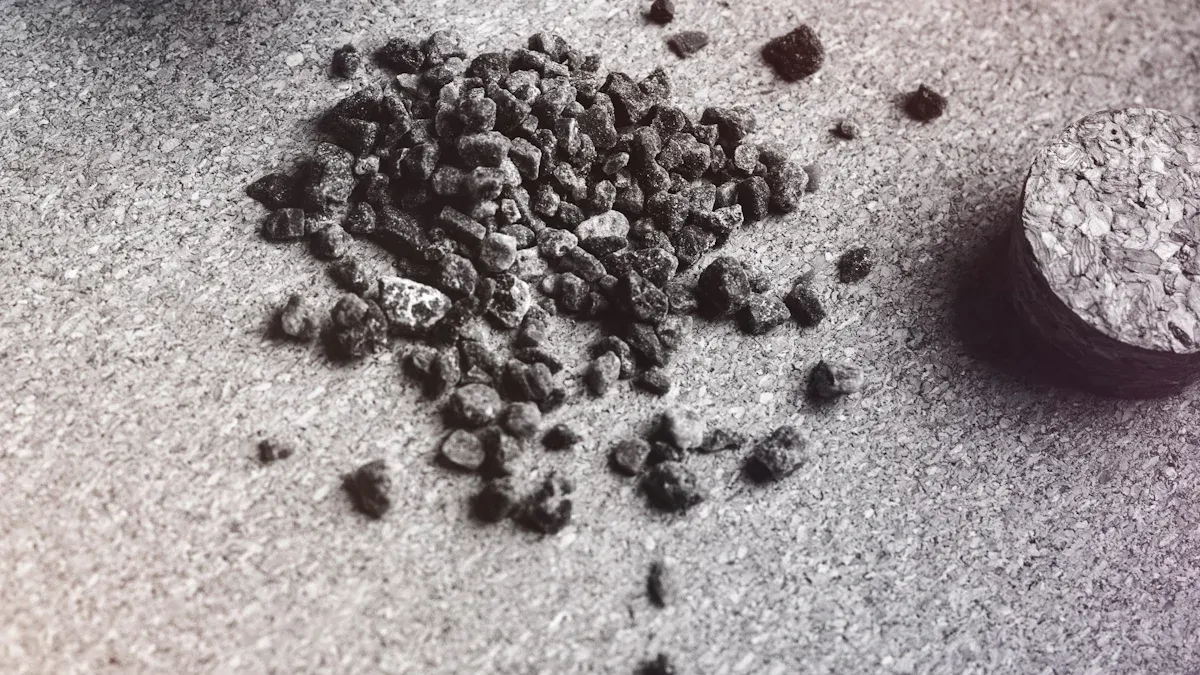
Activated carbon keeps you safe from bad things in your water. Your water tastes and smells better because activated carbon takes out things like Geosmin and 2-methylisoborneol. These things often make water taste and smell bad. New studies show that activated carbon catches these things. This makes your water safer and nicer to drink. Drinking Water Treatment Activated Carbon also removes things that can hurt your health or make you uncomfortable. If you worry about your water, activated carbon helps you feel calm every time you get a glass.
Key Takeaways
Activated carbon makes water taste and smell better by taking out things like chlorine and organic compounds. Activated carbon has lots of tiny holes. These holes help it catch bad stuff. This makes your drinking water safer. Activated carbon filters can lower the amount of bad chemicals. These include pesticides, heavy metals, and VOCs. This helps give you and your family cleaner water. Pick activated carbon filters made from things like coconut shells. This helps the environment and gives you better water. For the best results, use activated carbon with other methods like reverse osmosis. This removes even more bad things from your water.
Activated Carbon in Water Purification
Structure and Surface Area
Activated carbon is like a sponge with many tiny holes. These holes are called pores and cover the whole surface. They also go deep inside each grain. This special shape gives activated carbon a very large surface area. One gram of activated carbon can have a surface area as big as three to ten tennis courts. This is important because it gives more space for contaminants to stick. The pores come in different sizes. Micropores catch small molecules. Mesopores and macropores catch bigger ones. This mix of pore sizes helps activated carbon remove many pollutants from water.
Adsorption Process
Activated carbon cleans water by a process called adsorption. This means contaminants stick to the carbon as water moves through it. The large surface area and many pores make this work well. Here is how adsorption works:
Contaminants like chlorine, sediments, and VOCs stick to the carbon.
The pores pull in and hold these impurities, keeping them out of your water.
Activated carbon works for many organic molecules. It holds polar and small linear molecules very well.
You get cleaner water because activated carbon traps many harmful things. Other materials, like biochar, do not work as well. They have fewer pores and less surface area. That is why activated carbon is a top choice for water purification.
Tip: To make your water taste better and be safer, use a filter with activated carbon. It removes more contaminants than most other materials.
Types of Activated Carbon
There are different types of activated carbon for water purification. Each type has its own strengths. Here is a table to compare the most common types:
Feature | Granular Activated Carbon (GAC) | Powdered Activated Carbon (PAC) |
|---|---|---|
Particle Size | Larger particles | Very fine particles |
Best Use | Long-term, continuous filtration | Short-term or emergency treatments |
Regeneration | Easy regeneration and reuse | Usually single-use |
Mechanical Stability | Strong | Weaker |
Cost-Effectiveness | More cost-effective over time | Less expensive upfront |
Common Applications | Municipal water treatment | Batch processes |
Granular activated carbon is used in big filters and water plants. It removes organic contaminants, chlorine, and odors. Powdered activated carbon has a bigger surface area for its size. It works fast and is used for emergencies or small batches.
Some filters use coconut shell activated carbon. This type has lots of pores and is very strong. It is made from coconut shells and works well to remove many contaminants.
For special needs, you can use impregnated activated carbon. This type is treated with chemicals to target certain pollutants like VOCs and heavy metals. If you need to remove tough contaminants, this type works best.
Contaminants Removed
Activated carbon helps take out many harmful things from your water. You can count on it to handle lots of contaminants. This makes your water safer and better to drink. Here is how it deals with different pollutants.
Chlorine and Byproducts
Chlorine is often in city water. Water plants use chlorine to kill germs. But chlorine can make water taste and smell strong. Activated carbon adsorbs free chlorine and its byproducts. Some of these byproducts can be bad for your health if you drink them for a long time. Your water tastes better and is safer for your family.
Activated carbon takes out chlorine and its byproducts.
It lowers health risks from drinking these for a long time.
You notice less smell and taste in your water.
Granular activated carbon with special chemicals can remove over 99% of some chlorine byproducts in two hours. It also removes about 80% of other chlorine compounds in the same time. This makes water better in treatment plants.
Note: Activated carbon also adsorbs oxyanions. These are chlorine-related compounds. This helps keep your water clean.
VOCs and Organic Pollutants
VOCs and other organic pollutants can get in your water from factories, gasoline, or cleaners. Activated carbon’s pores pull in and trap these things by adsorption. You get water that is free from many dangerous chemicals.
Activated carbon works well for taking out natural organic matter and its parts. How well it works depends on the type and amount of organic matter. Other ways like reverse osmosis and UV purification also help. But activated carbon is great for removing chlorine, VOCs, and some heavy metals.
Mechanism | Description |
|---|---|
Mechanical Filtration | Takes out bigger particles from water. |
Physisorption | Adsorbs VOCs and THMs onto the carbon. |
Chemisorption | Binds VOCs and THMs to the carbon with chemical reactions. |
Catalysis | Breaks down VOCs and THMs into safer things. |
Solid carbon block filters work better than pitchers and faucet filters. You get a bigger drop in VOCs and THMs, which can cause health problems.
Pesticides and Herbicides
Pesticides and herbicides from farms can get in your water. Activated carbon filters help take out these chemicals. This protects your health. You see a big drop in pesticide levels after using the filter.
At first, more than 99% of pesticides are removed.
The filter stays at least 50% effective for up to 34 weeks.
Activated carbon targets many man-made pesticides. It uses mechanical filtration and adsorption to lower pesticide levels. You get safer water for drinking and cooking.
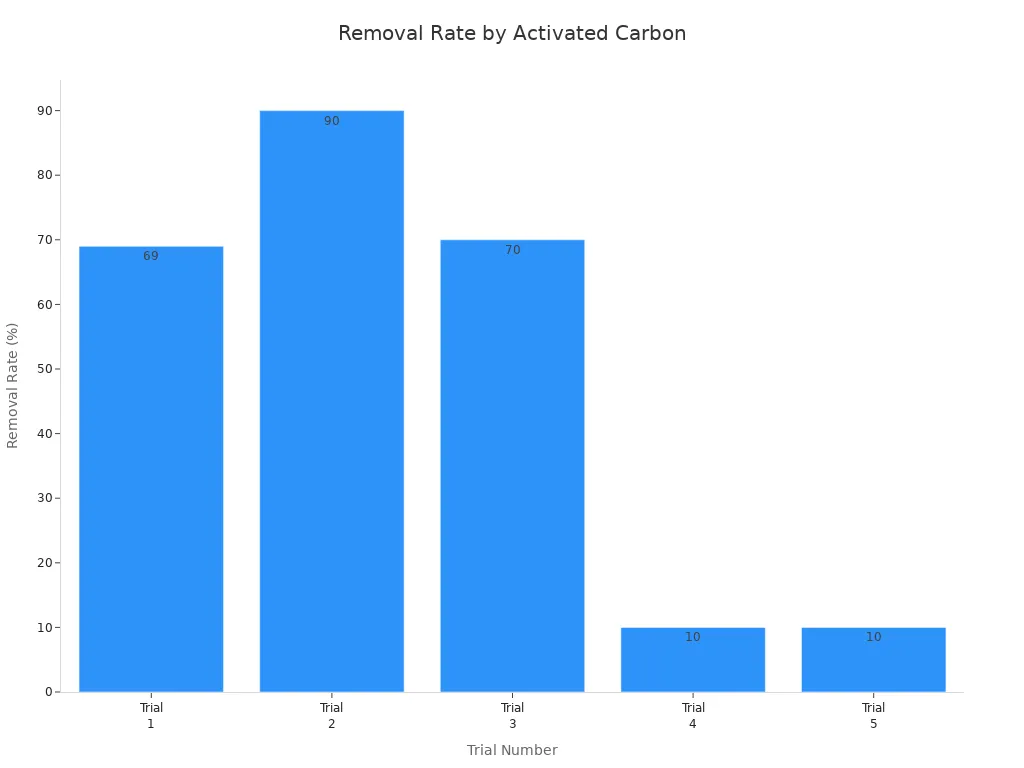
Heavy Metals and Endocrine Disruptors
Heavy metals like lead and mercury are very dangerous. Activated carbon can remove over 90% of lead and more than 95% of mercury if used right. This keeps you safe from these toxic things.
The best pH for lead removal is between 5 and 7.
Sulfur-impregnated activated carbon is better for mercury.
Endocrine disruptors, like nonylphenol and bisphenol-A, can mess with your hormones. Activated carbon, especially coal-based types, is good at adsorbing these tiny pollutants. The pore size and surface charge of the carbon matter a lot.
Tip: If you worry about things like heavy metals and endocrine disruptors, activated carbon gives you extra protection.
Microplastics, Taste, and Odor
Microplastics are tiny pieces of plastic that can get in your water. Activated carbon filters catch these pieces with mechanical filtration and adsorption. A good carbon block filter with small pores (about 0.2 microns) can block most microplastics.
Regular treatment plants using sand and granular activated carbon filters remove about 88% of nanoplastics.
Adding coagulation makes removal go up to 99%.
You also notice your water tastes and smells better. Activated carbon lowers things like geosmin and 2-methylisoborneol. These cause earthy or musty smells. Powdered activated carbon is often used in city water plants to fix these problems. You get water that tastes fresh and smells clean.
Activated carbon filtration lowers organic compounds and chlorine.
It adsorbs VOCs and other contaminants, making water better.
The pores help remove heavy metals and particles.
Callout: Activated carbon fights both things you can see and things you can’t, like microplastics and micropollutants. This gives you water that is clean, safe, and nice to drink.
Activated Carbon vs. Other Methods
Effectiveness in Drinking Water Treatment
You have different ways to make water safe. Drinking water treatment activated carbon is good for making water taste better. It removes chemicals like chlorine and VOCs. It works by trapping impurities on its surface. Reverse osmosis takes out more dissolved solids. It removes heavy metals and minerals. This gives you very pure water. But it can also take away healthy minerals.
Here is a quick comparison:
Filter Type | Contaminants Removed | Focus Area |
|---|---|---|
Activated Carbon | Taste- and odor-causing chemicals, chlorine, VOCs | Taste, smell, appearance |
Reverse Osmosis | Heavy metals, microorganisms, nitrates, fluoride | Total dissolved solids (TDS) |
Ultraviolet disinfection is another way to clean water. It kills germs but does not remove chemicals. It does not make water taste better. You often use it with other filters for full cleaning.
Advantages and Limitations
Drinking water treatment activated carbon has many good points. You do not need to add chemicals. It feels natural. It makes water taste and smell better. It removes organic compounds. You can use it in pitchers or big water plants. It saves energy and does not need electricity. You only need to change the filter every few months.
But there are some limits. Drinking water treatment activated carbon does not remove dissolved inorganic ions. These include sodium, calcium, nitrate, or fluoride. For these, you need reverse osmosis or another method. It can trap bacteria. If you do not change the filter, bacteria may grow inside. Very small polar organic molecules may pass through.
When to Use Activated Carbon
Use drinking water treatment activated carbon to make water taste and smell better. It removes chlorine, VOCs, pesticides, and many organic chemicals. It is affordable and easy to use at home or in big systems. You can reuse coconut shell-activated carbon. This makes it a green choice. If you want a natural way to get good water, this method is smart.
Tip: Use drinking water treatment activated carbon to remove at least 81 chemicals. It also lowers 52 more. It works for all 12 herbicides and 14 pesticides found in water.
If you need to remove dissolved solids or kill germs, use drinking water treatment activated carbon with other methods. Try reverse osmosis or UV disinfection. This gives you the best protection for your water.
Sustainability and Innovations
Eco-Friendly Production
You can help the planet by picking activated carbon from sustainable materials. Companies use natural sources that grow fast and do not hurt nature. Some eco-friendly materials are:
Coconut shells
Wood
Bamboo
Agricultural wastes like palm kernel shell
These materials come from resources that renew quickly. Coconut shells and bamboo grow fast and need little water. Palm kernel shells are leftovers turned into useful products. When you choose filters made from these, you help make water cleaner and support a healthy planet.
Tip: Pick activated carbon filters made from coconut shells or bamboo. They work well and help cut down on waste.
Regeneration and Reuse
Activated carbon can be reused in water treatment plants. This saves money and cuts down on waste. Different ways help restore the carbon’s power to trap contaminants. Here is a table showing common ways to regenerate activated carbon:
Method | Specificities | Application Scenario |
|---|---|---|
Water Washing | Removes water-soluble organic matter, simple, low energy | Granular and columnar activated carbon for less contaminated water |
Thermal Regeneration | High-temperature removal, high efficiency, high energy | Industrial waste gas and wastewater treatment |
Chemical Regeneration | Uses acid-base solutions, good for heavy metals or organics | Activated carbon for specific pollutants |
Biological Regeneration | Microbial decomposition, low energy, slow process | Long-term operation in wastewater treatment |
Regenerated activated carbon works well. It removes contaminants like atrazine with high performance. The GAC-O3 process makes water better and keeps costs low. This process also helps stop bromate from forming.
Evidence Type | Description |
|---|---|
Performance | Regenerated activated carbon (GAC) removes contaminants well, especially atrazine. |
Process | GAC-O3 process gives efficient regeneration and better water quality. |
Cost-Efficiency | GAC-O3 process offers low cost and high efficiency for bromate inhibition. |
Future Trends
New ideas in activated carbon technology are coming. Filters now remove more chlorine and lead. They also help lower chloramine. Some filters claim to remove PFAS, which are hard chemicals found in water. Companies build plants to recycle used carbon and meet the need for PFAS removal.
Better carbon block filtration technology
New plants for recycling used activated carbon
More focus on removing micropollutants like PFAS
Activated carbon is important in advanced water treatment. Its pores trap new contaminants like medicines and personal care products. Granular activated carbon catches these pollutants after other treatments. This makes your water safer and lowers environmental risks.
Callout: You get cleaner water and help the planet when you pick sustainable and new activated carbon solutions.
You can trust activated carbon technology to make your water safer. You remove many harmful things, including pfas and pfas-group chemicals, when you use granular activated carbon. You protect your health because pfas can build up in your body. You lower pfas in your water every day. You stop pfas from affecting your family. You block pfas with each glass you drink. You keep pfas out of your meals. You fight pfas at home and at school. You choose safety by filtering pfas. You show others how to reduce pfas. Clean water matters for everyone.