
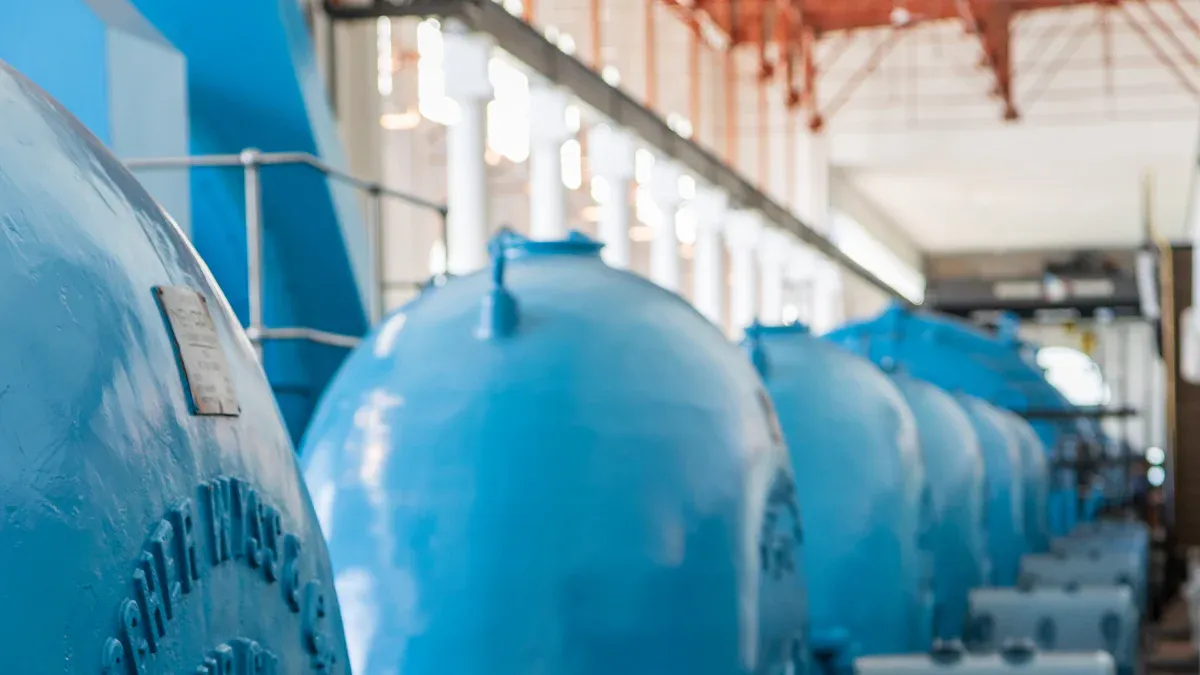
Imagine you turn on your faucet and know your water is safe. Desalination activated carbon helps make this happen. This special activated carbon takes out harmful things from water before you use it. Its main job in desalination is to catch organic compounds and break down chlorine. You get cleaner water, better taste, and fewer dangers. The table below shows what activated carbon does in desalination:
Function | Description |
|---|---|
Dechlorination | Activated carbon breaks down leftover chlorine and chloramines. This stops damage to membranes. |
Organic removal | It grabs dissolved organic compounds and biological matter. This lowers membrane fouling. |
Key Takeaways
Desalination activated carbon takes out bad things from water. This makes the water safe to drink.
It removes chlorine and chloramines. This makes water taste better. It also keeps desalination equipment safe.
Activated carbon catches organic compounds. This lowers health risks and makes water better.
Using activated carbon before other steps saves money. It cuts down on repair and maintenance costs.
Granular activated carbon makes feed water better. This helps desalination work faster and better.
Activated carbon is important in many desalination methods. These include reverse osmosis and distillation.
It helps meet environmental rules by taking out pollutants from wastewater. This keeps nature safe.
Using activated carbon with other treatments gives the best water quality for everyone.
Desalination Activated Carbon in Water Treatment
Role in Removing Contaminants
Activated carbon is very important in water treatment. You use it before desalination starts. This adsorbent traps bad stuff before the main cleaning step. Its many tiny holes give it a big surface area. This helps it catch more contaminants. Activated carbon removes both organic and inorganic substances from water. It attracts and holds these particles on its surface.
Organic Substances
Organic substances are often found in water. These include pesticides, herbicides, and natural compounds. Activated carbon acts as an adsorbent and grabs these molecules. Its porous structure lets it hold many types of organic matter. After treatment, water smells and looks better. Surface modification techniques help target certain organic pollutants. You get cleaner water and fewer health risks.
Chlorine and Chloramines
Chlorine and chloramines are used to disinfect water. They can make water taste and smell bad. If these chemicals stay in water, they can hurt desalination membranes. Activated carbon removes chlorine and chloramines by adsorption and chemical reactions. It breaks down these compounds and protects equipment. Water tastes better and smells fresher after this process. Removing these substances stops harmful byproducts from forming.
Improving Water Taste and Odor
You want water that tastes good and smells clean. Activated carbon helps you reach this goal. It removes things that cause bad flavors and odors. Organic compounds, chlorine, and other contaminants make water taste bad. Activated carbon traps these particles and leaves water pure. You notice water quality gets better after treatment. Many water plants use activated carbon to give you safe and clean water.
Tip: Activated carbon works best as a pre-treatment step. This protects desalination equipment and makes purification work better.
Contaminant | Removal Method | Result for You |
|---|---|---|
Organic substances | Adsorption | Cleaner, safer water |
Chlorine/chloramines | Adsorption & reaction | Better taste and odor |
Inorganic pollutants | Adsorption | Improved water quality |
You depend on desalination activated carbon for clean water. It removes many contaminants, so it is a top choice. You see benefits at every step, from removing pollutants to final purification. Activated carbon makes sure your water is safe, clean, and pleasant to use.
Granular Activated Carbon Pre-Treatment
Protecting Desalination Equipment
Activated carbon helps keep desalination equipment safe. Granular activated carbon acts like a shield for the system. When water moves through the GAC media, it meets chlorine and chloramines. These chemicals can hurt membranes in desalination units. Activated carbon changes chlorine and chloramines into safe chlorine ions. This stops the chemicals from breaking down the membranes. You have fewer repairs and less downtime. Activated carbon also soaks up leftover chlorine. This keeps the equipment from wearing out fast. You save money and time because the membranes last longer.
Activated carbon does more than just protect membranes. It soaks up harmful things before they reach important parts. The desalination process works better and smoother. Activated carbon keeps the equipment steady and working well. You do not need as much expensive maintenance. You get reliable water treatment every day.
Enhancing Feed Water Quality
You want the best water going into your desalination system. Granular activated carbon makes feed water better by taking out impurities. The process starts with adsorption. Activated carbon has lots of tiny pores and a big surface area. These pores trap things like colloids and small particles. You get cleaner water before the main desalination step.
Activated carbon removes both organic matter and inorganic pollutants. You notice less bad smell and taste. The adsorption process makes water safer and nicer to drink. Granular activated carbon also helps lower turbidity. Clearer water means the desalination equipment works better.
Here is how activated carbon pre-treatment helps you:
Benefit | How Activated Carbon Works |
|---|---|
Protects membranes | Adsorption and chemical reaction |
Removes chlorine and chloramines | |
Adsorption of colloids and particles | |
Reduces maintenance | Prevents membrane degradation |
Note: Using activated carbon before desalination gives you more stable and efficient equipment. This step is important for long-lasting equipment and good water.
Activated carbon pre-treatment helps you feel safe. You know your system is protected and your water is clean. The adsorption process takes out many impurities. Granular activated carbon makes desalination work better and more reliably. You see better water and equipment every day.
Activated Carbon in Desalination Processes
Reverse Osmosis Systems
Activated carbon is important in reverse osmosis systems. It works before the main desalination step. This material helps remove bad stuff from seawater. It takes out chlorine and organic matter. This protects the membranes in your system. Your equipment lasts longer and stays safe.
Activated carbon has many tiny holes. These holes give it a big surface area. It can trap more harmful compounds. This makes the desalination process better. You see fewer problems with fouling. Water quality improves a lot. Here are ways activated carbon helps reverse osmosis:
It removes chlorine and chloramines. This stops membrane damage.
It takes out organic substances. This lowers fouling chances.
It adsorbs contaminants. This makes desalination work better.
You need activated carbon for your reverse osmosis system. It removes pollutants. You get clean water and your equipment works well.
Multi-Stage Flash and Distillation
Activated carbon helps in multi-stage flash and distillation methods. You use it to make water better before the main process. Activated carbon removes organic compounds and chlorine from feed water. This keeps distillation equipment safe and stops scaling.
Activated carbon works by adsorption. It traps impurities and keeps the process steady. Water quality gets better and you do less maintenance. Activated carbon removes unwanted substances. You avoid bad taste and odor in your water.
You depend on activated carbon for efficient distillation. It removes contaminants. You spend less time fixing things and more time making clean water.
Capacitive Desalination Applications
Activated carbon is used in capacitive desalination systems. Super activated carbon acts as an electrode material. It has high salt adsorption capacity. It can adsorb up to 27.2 mg of salt per gram in a 500 mg/L NaCl solution at 1.2 V.
It has lots of pores, including micropores and mesopores. This gives great adsorption performance. After ten cycles, the saturated adsorption capacity reaches 67.6 mg/g. You see a high desalination rate and charge efficiency of 76.5%.
Activated carbon helps remove salts and impurities fast. The process works well and you get good water. Super activated carbon electrodes make capacitive desalination a good choice for clean water.
Note: Activated carbon improves every desalination process. It removes contaminants, protects equipment, and boosts water quality.
Desalination Method | Activated Carbon Function | Benefit for You |
|---|---|---|
Reverse Osmosis | Adsorption and removal of chlorine | Longer membrane life |
Multi-Stage Flash/Distillation | Adsorption of organics and chlorine | Better water taste and less scaling |
Capacitive Desalination | Salt adsorption as electrode | High desalination efficiency |
Activated carbon is used in all major desalination processes. It removes contaminants, adsorbs salts, and protects equipment. This makes activated carbon important for safe and clean water.
Benefits of Activated Carbon
Water Safety and Quality
You need activated carbon to make water safe. This material helps clean water by taking out harmful things. Activated carbon uses adsorption to catch organic compounds, chlorine, and other pollutants. You find fewer bad things in your water. When these things are gone, water tastes and smells better. Activated carbon also helps clean wastewater. It grabs dangerous chemicals and keeps water safe. You see that activated carbon works for both drinking water and wastewater. Adsorption makes sure water stays safe for you and your family.
Activated carbon helps remove bacteria and viruses. You get water that meets health rules. The treatment lowers risks from organic and inorganic pollutants. Activated carbon is important in water and wastewater treatment. You trust it to give you clean water every day.
Cost and Efficiency
Activated carbon helps you save money when cleaning water. Adsorption means you do not need as much maintenance. You spend less on repairs because it protects equipment and membranes. The CarbonBlue reactor shows you can cut costs by almost 8%. You have fewer breakdowns and smoother work.
Activated carbon makes desalination and wastewater treatment work better. It stops organic matter from building up on membranes. You see better results and longer equipment life. Research shows activated carbon in capacitive desalination uses a lot of energy. You need to balance good results with energy use. Activated carbon still saves money by removing pollutants and protecting equipment.
You use activated carbon in many water and wastewater systems. Adsorption makes the process more reliable. You get clean water with less work and lower costs.
Environmental Impact
Activated carbon helps keep the environment clean. You use it in water and wastewater treatment to take out pollutants. Adsorption traps harmful chemicals and keeps them out of rivers and lakes. You help protect animals and nature.
Activated carbon also lowers the impact of wastewater. You see fewer toxins in water that gets released. Taking out organic matter and other pollutants makes wastewater safer. Activated carbon helps you follow environmental rules. You use it to make water and wastewater treatment better.
You pick activated carbon because it helps the planet. Adsorption means you do not need strong chemicals. You make water and wastewater safer for everyone. Activated carbon gives you a good way to protect the environment.
Tip: Activated carbon works best when you use it with other water and wastewater treatment steps. You get safer water, spend less money, and help the planet.
Benefit | How Activated Carbon Helps | Result for You |
|---|---|---|
Water safety | Adsorption and removal of pollutants | Clean, safe water |
Cost savings | Protects equipment, lowers repairs | Reduced expenses |
Environmental support | Removes toxins from wastewater | Healthier environment |
Activated carbon gives you many good things in water and wastewater treatment. You see better water quality, lower costs, and less harm to the environment. Adsorption and removal make water safer and cleaner for you.
Comparing Filtration Methods
Activated Carbon vs. Sand Filtration
You might wonder how activated carbon and sand filtration are different. Sand filtration uses layers of sand to catch big pieces of dirt. This method is good for taking out things you can see, like debris. After sand filtration, the water looks clear. But small pollutants can still stay in the water.
Activated carbon does more than sand. It uses adsorption to grab tiny organic compounds, chlorine, and some chemicals that sand misses. This means you get cleaner water with fewer pollutants. Activated carbon also makes water taste and smell better. Sand filtration does not change taste or odor much.
Method | What It Removes | Effect on Water Quality |
|---|---|---|
Sand Filtration | Dirt, debris, large particles | Basic clarity, no taste change |
Activated Carbon | Organics, chlorine, chemicals | Cleaner, better-tasting water |
Tip: Use sand filtration for simple cleaning. Pick activated carbon if you want safer and cleaner water.
Activated Carbon vs. UV Treatment
Some water systems use UV treatment. This method uses ultraviolet light to kill germs like bacteria and viruses. UV treatment works quickly and does not add chemicals to water. But it cannot remove chemicals, chlorine, or organic matter.
Activated carbon removes these things by adsorption. You get water without germs, bad tastes, or odors. It also protects equipment by taking out chlorine before it can cause harm. UV treatment cannot do this job.
Many systems use both methods together. UV treatment kills germs. Activated carbon removes chemicals and makes water better. You get the best water when you use both.
Activated Carbon vs. Ion Exchange
Ion exchange is another way to treat water. This method swaps bad ions in water for safer ones. It is good for removing minerals like calcium and magnesium. You use ion exchange to make water softer and stop scale.
Activated carbon uses adsorption instead. It takes out organic compounds, chlorine, and some heavy metals. This makes water taste better and safer to drink. Ion exchange does not help with taste or remove organics as well as activated carbon.
Method | Main Function | Best For |
|---|---|---|
Ion Exchange | Swaps ions, softens water | Hard water, scale control |
Activated Carbon | Adsorption of organics, chlorine | Taste, odor, chemical removal |
Note: You can use both methods in one system. Activated carbon makes water taste better and safer. Ion exchange makes water softer.
Each method has its own strengths. Activated carbon is best for adsorption and water quality. You get the cleanest and safest water when you pick the right method for your needs.
Real-World Applications
Municipal Desalination Plants
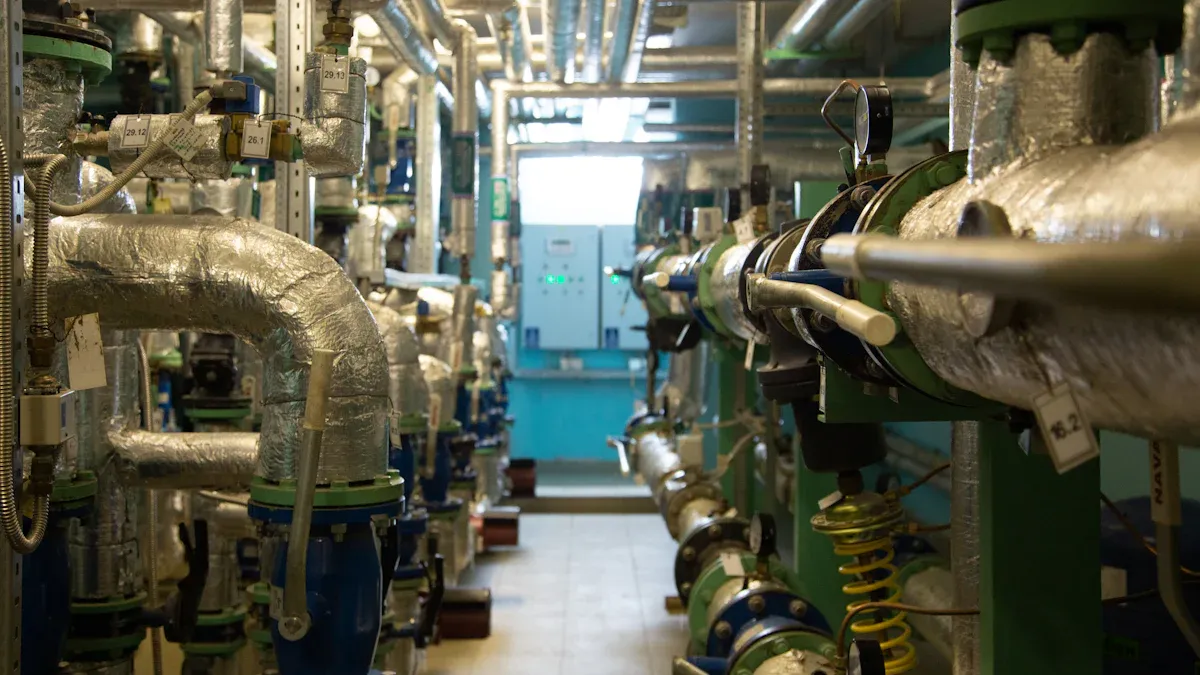
Many cities use activated carbon in desalination plants. These plants clean lots of water for people to drink. Activated carbon is used before the main desalination step. It takes out chlorine, organic compounds, and other pollutants. This makes water taste better and smell fresher. The adsorption process helps stop membrane fouling. Equipment lasts longer and needs less fixing. People count on activated carbon for safe tap water. Cities pick this method to keep water clean and protect health.
Industrial and Commercial Use
Factories, hotels, and food plants use activated carbon too. They need very clean water for their work. Activated carbon systems take away bad smells, tastes, and extra chlorine. It is often used before reverse osmosis systems. This step lowers contaminants and improves water quality. Activated carbon filters also treat wastewater with lots of organic compounds. The adsorption process makes water treatment work better. Industries use activated carbon to meet strict rules and protect equipment.
Activated carbon makes water taste and smell better.
It lowers chlorine, so water is safer.
The adsorption process removes high organic compounds from wastewater.
You get steady water treatment for businesses.
Case Studies and Outcomes
Real examples show how activated carbon helps. In one city by the sea, a desalination plant added activated carbon. The plant had less membrane fouling and fewer repairs. People said the water tasted better and smelled nicer. In a food factory, activated carbon filters took out chlorine and organics. The company met tough water standards and had less downtime. A hotel used activated carbon for its water system. Guests noticed cleaner water and better taste.
Application | Activated Carbon Benefit | Outcome for You |
|---|---|---|
Municipal Plant | Safe, clean tap water | |
Food Factory | Adsorption of pollutants | Meets quality standards |
Hotel | Improves taste and odor | Better guest experience |
Tip: You can trust activated carbon to give you safe and clean water in many places. The adsorption process makes water treatment work well and stay reliable.
Desalination activated carbon helps keep your water safe and clean. It takes out harmful things and makes water taste better. Your equipment stays safe, and you get good water every day. Activated carbon is special in desalination because it works quickly and lasts a long time.
Your water is safer to drink.
You do not have to fix things as much.
You are helping nature.
Advanced filtration helps you feel calm. You can expect new ways activated carbon will make water treatment even better.