

You can remove nitrogen oxides (NOx) from industrial emissions quickly and efficiently with DeNOx Activated Carbon. This material uses both physical and chemical adsorption to capture harmful gases. You get high removal rates, making air cleaner and safer. Many countries, such as the United States, China, and Germany, produce large amounts of NOx. Most NOx comes from fossil fuel combustion and biomass burning. With this technology, you make the removal process simple and reliable.
Major NOx sources:
Fossil fuel combustion (70%)
Biomass burning (20%)
Key Takeaways
DeNOx Activated Carbon effectively removes nitrogen oxides (NOx) from industrial emissions, making the air cleaner and safer.
The technology combines physical and chemical adsorption to achieve high NOx removal rates, often exceeding 95%.
Regular maintenance, such as checking performance and cleaning the carbon, ensures the system operates efficiently and meets air quality standards.
Using DeNOx Activated Carbon with Selective Catalytic Reduction (SCR) technology enhances NOx removal and supports sustainability by minimizing harmful byproducts.
This technology is versatile and can be integrated into various industries, making it a smart choice for modern emission control.
DeNOx Activated Carbon Overview
What Is DeNOx Activated Carbon
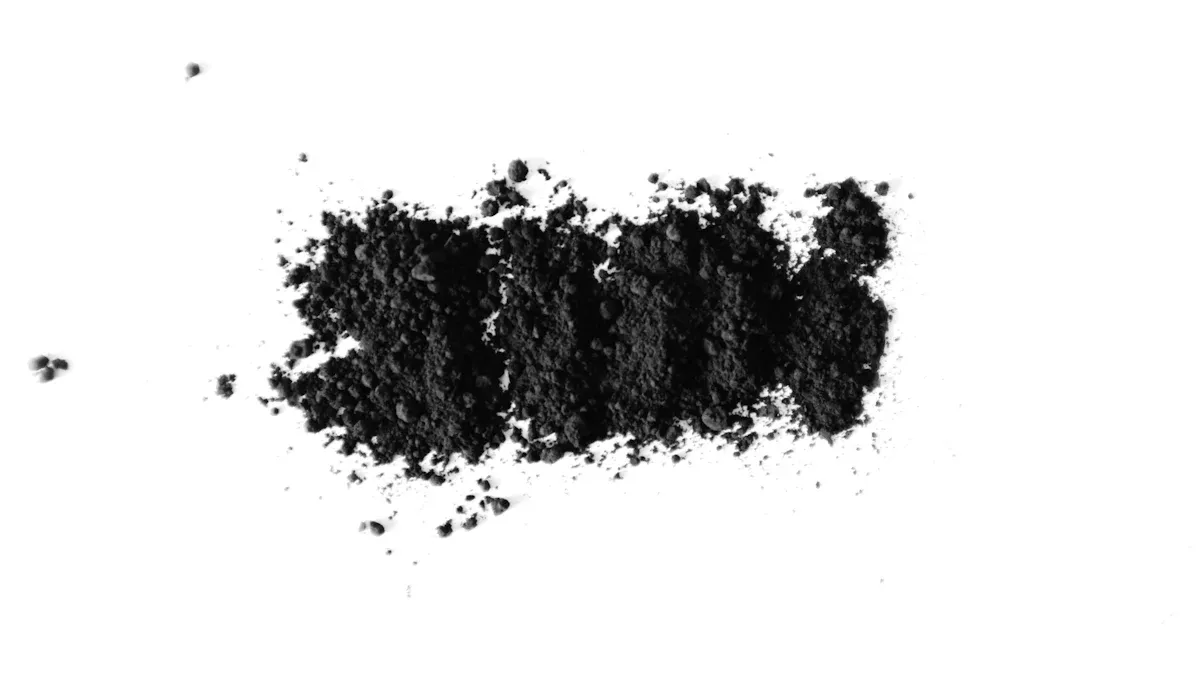
You use DeNOx Activated Carbon to remove nitrogen oxides from industrial gases. This material acts as a special filter that traps harmful NOx molecules before they reach the atmosphere. You can find it in many emission control systems because it works well in high-temperature environments. The carbon base gives it a strong structure, while special treatments make it even more effective for NOx removal.
The chemical composition of DeNOx Activated Carbon stands out because of nitrogen modification. When you add nitrogen species, such as pyridinic or pyrrole groups, you boost the carbon’s catalytic properties. These groups help the carbon convert NOx into harmless nitrogen gas. You can achieve this modification by treating the carbon with ammonia or urea. This process increases the material’s ability to target and remove NOx efficiently.
Unique Properties
DeNOx Activated Carbon has several unique features that make it ideal for industrial use:
High surface area: You get more space for NOx molecules to attach and react.
Optimized pore size: The pores allow gases to flow through easily, increasing contact with the active sites.
Strong catalytic activity: Nitrogen groups on the surface speed up the conversion of NOx to nitrogen gas.
Stability at high temperatures: You can use it in harsh industrial settings without losing performance.
Tip: If you want to keep your system running efficiently, you should monitor the surface area and pore volume. Treatments like sulfur poisoning can reduce these properties and lower NOx removal rates. Water washing regeneration can restore the surface area and improve performance.
You benefit from these properties because they ensure reliable and long-lasting NOx removal. DeNOx Activated Carbon gives you a simple and effective way to meet emission standards and protect the environment.
NOx Removal Process
Physical Adsorption
You start the NOx removal process with physical adsorption. When you pass industrial gases through DeNOx Activated Carbon, the surface of the carbon acts like a sponge. It attracts and holds NOx molecules using weak forces. This step does not need any chemical reaction. You see the best results in environments without oxygen. The carbon surface traps NOx, which helps lower the amount of harmful gas in the air. Physical adsorption works quickly and sets the stage for the next step.
Chemical Adsorption
You boost NOx removal when you add oxygen to the process. Oxygen changes how the carbon surface interacts with NOx. Now, chemical adsorption takes over. The nitrogen groups on the carbon surface react with NOx molecules. This reaction turns NOx into harmless nitrogen gas and water. Chemical adsorption works better than physical adsorption alone. You get higher removal rates because the process uses both the surface area and the special chemical groups on the carbon. When you combine physical and chemical adsorption, you achieve strong and reliable NOx control.
Note: You can improve the overall efficiency of NOx removal by making sure there is enough oxygen in the system. Oxygen helps the chemical adsorption process work faster and more completely.
Integration With SCR Technology
You can make NOx removal even more effective by using Selective Catalytic Reduction (SCR) technology with DeNOx Activated Carbon. In this setup, you inject a reducing agent, such as ammonia or urea, into the gas stream. The activated carbon acts as a catalyst. It helps the reducing agent react with NOx. This reaction changes NOx into nitrogen gas and water vapor. You get very high removal rates, sometimes over 95%. SCR technology works well with activated carbon because both systems use chemical reactions to clean the gas. You can use this combination in many industries, such as power plants, waste incinerators, and chemical factories.
Tip: If you want the best results, you should check the temperature and flow rate in your system. These factors help the SCR process and the activated carbon work together for maximum NOx removal.
Effectiveness And Comparison
Removal Efficiency
You can achieve impressive NOx removal rates with DeNOx Activated Carbon. In many systems, you see removal efficiencies greater than 95%. This means you can meet strict air quality standards and keep your emissions low. When you use this technology with SCR, you convert almost all NOx into nitrogen gas and water. You do not get extra byproducts, so you keep your process clean. You also avoid problems with ammonia slip, as most systems keep levels below 10 parts per million. You can trust this method to deliver reliable results, even in tough industrial settings.
Note: You should check that your system operates within the right temperature range, usually between 250°C and 450°C. This helps you get the best performance from your activated carbon and catalyst.
Comparison With Other Technologies
You have several options for NOx removal, but DeNOx Activated Carbon stands out for its high efficiency and simple operation. Here is how it compares to other methods:
SCR (Selective Catalytic Reduction): You get high NOx conversion rates (≥85%) and long catalyst life (over 24,000 hours). You must handle ammonia or urea safely, but you benefit from low operating costs if you use liquid ammonia.
SNCR (Selective Non-Catalytic Reduction): You see lower NOx removal rates, usually between 30% and 70%. This method works best at higher temperatures and may not meet strict standards.
Wet Scrubbing: You can remove some NOx, but the process creates wastewater and needs extra treatment. You also face higher maintenance costs.
DeNOx Activated Carbon: You enjoy high removal rates, simple system design, and stable operation. You do not need to worry about extra byproducts. You can use this technology in many industries and meet regional standards.
You should consider the space velocity tolerance and system size when choosing a method. DeNOx Activated Carbon gives you flexibility and strong performance, making it a smart choice for modern emission control.
Industrial Use And Benefits
Application In Emission Control
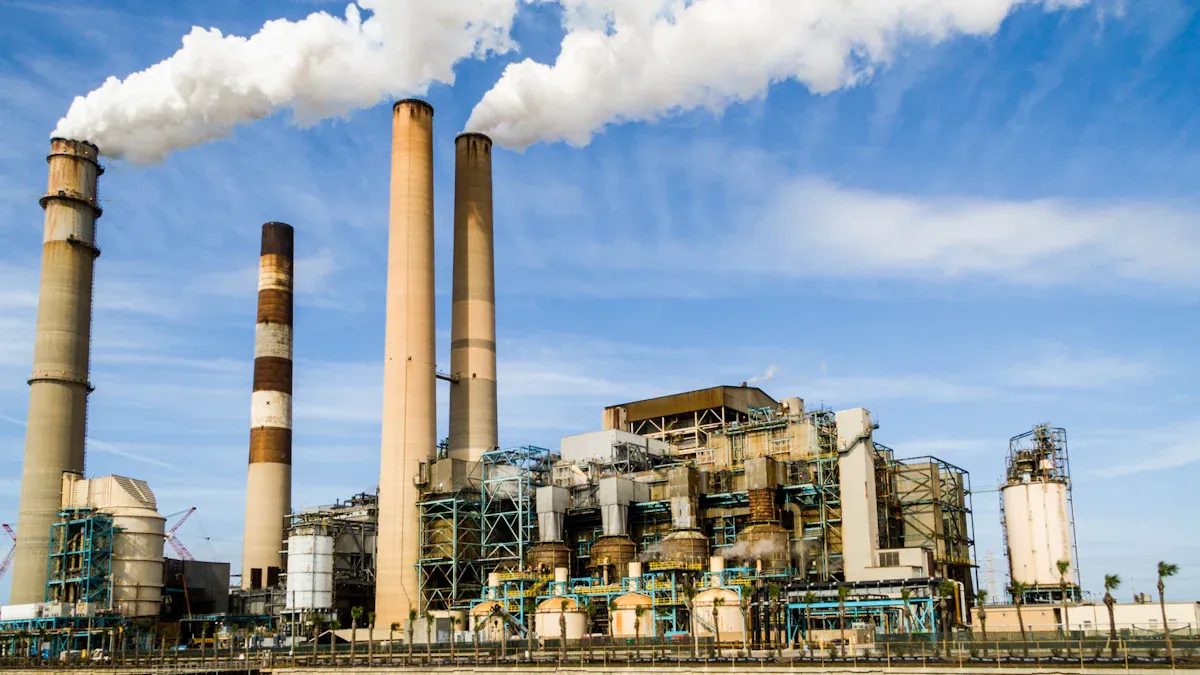
You can use DeNOx Activated Carbon in many industries that need to control air pollution. Power plants, cement factories, and waste incinerators often choose this technology. You install the carbon in fixed beds or moving beds inside your emission control system. As the gas passes through, the carbon traps and removes NOx. You do not need to change your whole setup. You can add this technology to your current system. This makes it easy to upgrade your emission controls and meet strict air quality rules.
Tip: You can use sensors to check how well your system works. This helps you know when to replace or regenerate the carbon.
Maintenance And Sustainability
You do not need to spend much time on maintenance when you use DeNOx Activated Carbon. The material lasts a long time, even at high temperatures. You only need to check the system sometimes to make sure it works well. If the carbon gets dirty or loses power, you can clean it with water or replace it. This keeps your system running smoothly.
You help the environment when you use this technology. You lower NOx emissions, which means cleaner air for everyone. You also avoid making extra waste or harmful byproducts. This makes your operation more sustainable.
Maintenance Task | How Often | What To Do |
|---|---|---|
Check performance | Monthly | Use sensors |
Clean or regenerate | Yearly | Water washing |
Replace carbon | As needed | Add new material |
Byproduct Recovery
You can recover valuable byproducts when you use DeNOx Activated Carbon with SCR technology. The main products are nitrogen gas and water vapor. These do not harm the environment. In some cases, you can collect and reuse ammonia or urea that does not react. This saves money and reduces waste. You make your process more efficient and support a circular economy.
Note: By recovering and reusing materials, you help your business and the planet.
You make NOx removal easy when you choose DeNOx Activated Carbon. This technology gives you high efficiency and simple operation. You help your facility meet strict air quality rules and support global sustainability goals.
Evidence Type | Description |
|---|---|
Regulatory Compliance | You meet regulations like the U.S. Clean Air Act and EU Industrial Emissions Directive. |
Sustainability Initiatives | You use recycling and regeneration services that support a circular economy and reduce waste. |
You may face some challenges:
Limited temperature range for best performance.
Resistance issues with poisons like SO2 and HCl.
Difficulty reaching high activity at low temperatures.
Catalyst deactivation from impurities.
You improve air quality and protect the environment. You make your process cleaner and more sustainable.
FAQ
What is the main advantage of DeNOx Activated Carbon?
You get high NOx removal rates with simple operation. This technology works in many industries and helps you meet strict air quality standards.
How often should you replace or regenerate the carbon?
You should check your system monthly. Most users clean or regenerate the carbon once a year. Replace the material as needed for best results.
Can you use DeNOx Activated Carbon with other emission control systems?
Yes, you can combine it with SCR or other technologies. This boosts NOx removal and helps you reach even lower emission targets.
Does DeNOx Activated Carbon create any harmful byproducts?
No, you do not get harmful byproducts. The main outputs are nitrogen gas and water vapor, which are safe for the environment.
What should you do if the removal efficiency drops?
Tip: Check for surface poisoning or blockages. Clean the carbon with water or replace it. Make sure your system runs at the right temperature.