
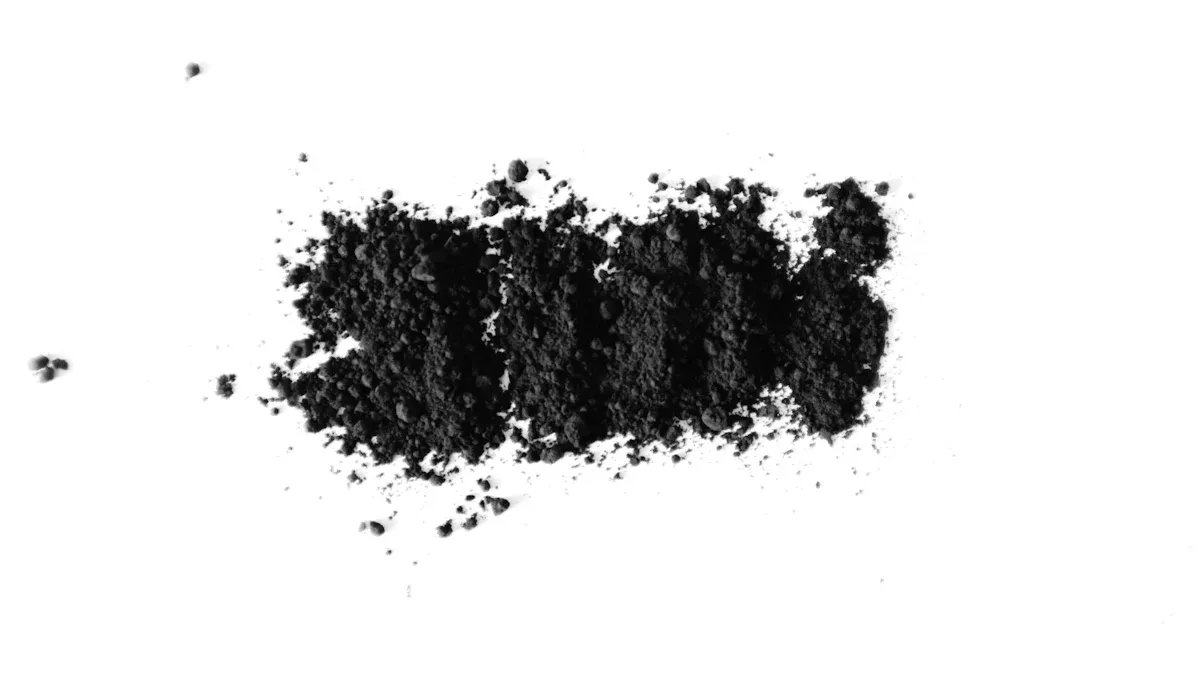
You want your home to have cleaner air and water. Coconut shell based activated carbon is a good way to do this. This natural material catches bad chemicals, smells, and tiny pollutants. Other filters often miss these things. Coconut shell based activated carbon can take out about 90 to 95% of chlorine taste. It also removes 80–85% of pesticides and up to 97% of heavy metals. Its small pores help it clean very well. It can trap small organic compounds, chlorine, and VOCs. Many people see the benefits fast. They get water that tastes better and air that smells fresher. You get strong cleaning, a natural product, and real health benefits with coconut shell based activated carbon.
Key Takeaways
Coconut shell based activated carbon takes out up to 95% of chlorine and 85% of pesticides from water. This makes water taste better and safer to drink.
This natural material has a special tiny structure. It can catch small pollutants and chemicals. This makes it great for cleaning water and air.
Using coconut shell activated carbon is good for the environment. It comes from resources that can be replaced. It also helps cut down on waste and pollution.
Activated carbon makes air better by grabbing harmful gases like formaldehyde and benzene. This keeps your home healthier and fresher.
Buying filters with coconut shell based activated carbon can help you save money over time. This is because it lasts long and can hold a lot of pollutants.
What Is Coconut Shell Based Activated Carbon
Production Process
Dried coconut shells are used first. They go through carbonization. High heat burns away everything but carbon. Then, steam activation happens. This step makes lots of tiny pores. The activated carbon has a big surface area. The process makes the material strong. It also gives it a special shape. The product cleans water and air well.
Unique Structure and Properties
Coconut shell activated carbon is special because of its structure. Most pores are very small. These are called micropores. Micropores trap small molecules like chlorine and benzene. Some bigger pores catch larger particles. The surface area is very high. It can be up to 1200 square meters per gram. This means more cleaning power in less space. The material has chemical groups like hydroxyl and carboxyl. These groups help remove pollutants. The main features are shown in the table below:
Characteristic | Description |
|---|---|
Pore Structure | Mostly micropores, with some mesopores and macropores. |
Specific Surface Area | 1000-1200 m²/g, higher than wood or coal-based carbon. |
Adsorption Capacity | Strong for small-molecule gases and heavy metals. |
Chemical Groups | Rich in hydroxyl and carboxyl groups for better pollutant removal. |
Environmental Impact | Made from renewable coconut shells, lower carbon emissions, less ash. |
Mechanical Strength | High strength, less likely to break into powder. |
Cost Performance | Higher initial cost, but greater adsorption capacity. |
Why Coconut Shells Are Ideal
Coconut shells are a great choice. They have more surface area than other materials. They also have more micropores. Coconut shell activated carbon has about 50% more micropores than coal-based carbon. It has low ash and high hardness. This means it lasts longer and can be reused. Using coconut shells helps the environment. Human toxicity drops by up to 60%. Global warming impact drops by up to 80%. Picking activated coconut carbon is smart for performance and sustainability.
Water Purification with Coconut Shell Based Activated Carbon
Contaminant Removal Mechanisms
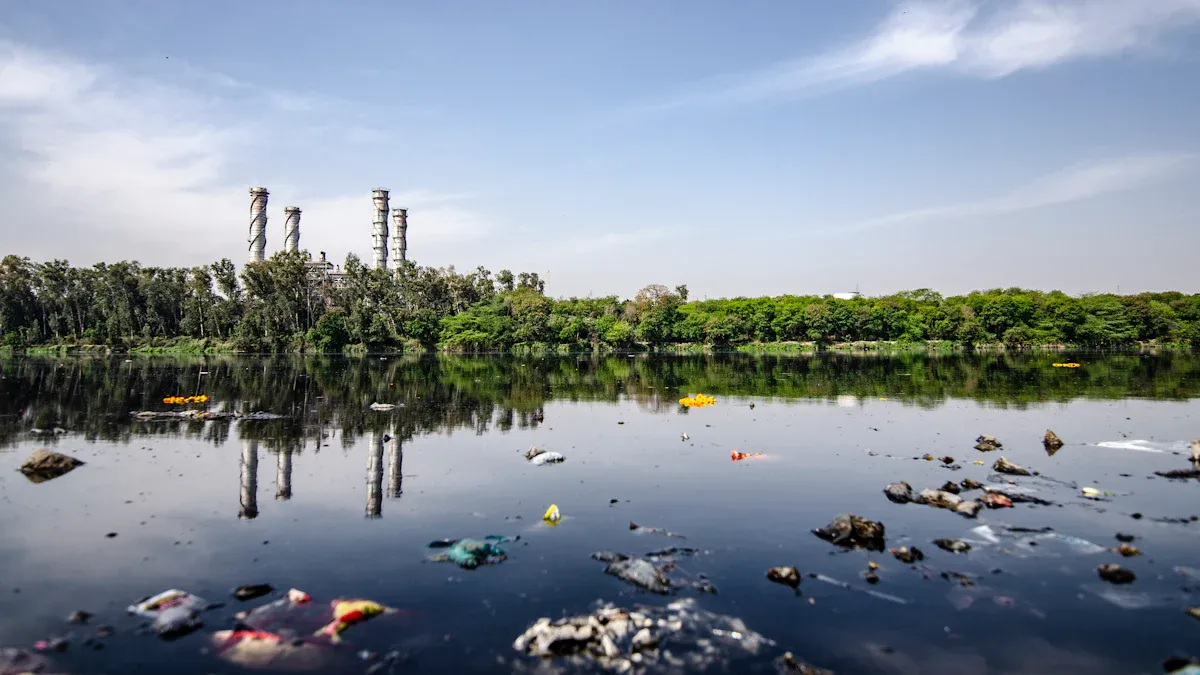
You want your family to have safe water. Coconut shell based activated carbon is a great way to filter water. This material has a special structure that traps toxins and chemicals. When water moves through the carbon, tiny pores catch chlorine, heavy metals, and volatile organic compounds. These are common things that can hurt your health. The carbon uses adsorption. This means it pulls toxins out of the water and holds them on its surface.
The carbon removes contaminants in a few ways. It uses π-π stacking, hydrogen bonding, and electrostatic interactions. The surface of the carbon attracts different chemicals at different pH levels. At low pH, it pulls in anionic dyes. At high pH, it attracts cationic dyes. The hydroxyl groups on the carbon help make hydrogen bonds with toxins. This makes the cleaning process strong and reliable.
Here is a table that shows how coconut shell based activated carbon removes different contaminants:
Contaminant Type | Removal Mechanism |
|---|---|
Chlorine | Activated carbon adsorbs residual chlorine, improving taste and safety of drinking water. |
Heavy Metals | Effectively adsorbs heavy metals like lead and mercury, enhancing water safety. |
Volatile Organic Compounds | Traps VOCs from industrial and agricultural runoff, ensuring safer drinking water. |
This filtering method targets the last bits of contaminants. You get cleaner water every time you use it.
Taste, Odor, and Color Improvement
You notice better taste and smell right away after using coconut shell based activated carbon. This material removes chemicals that cause bad taste and odor. It also makes your water look clearer. Lab tests show that after filtering, the pH of water goes up to 6.41. This means the water is better. The carbon also removes MTBE, a chemical that causes odor and taste problems, to almost zero. Turbidity, or cloudiness, gets lower when you use enough carbon. This gives you water that looks clear and fresh.
Test Conducted | Result | Impact on Water Quality |
|---|---|---|
pH Test | Increased to 6.41 after filtering | Indicates improved water quality |
MTBE Removal | Non-detectable level (< 1 ppb) | Reduces odor and taste issues |
Turbidity Reduction | Enhances clarity of drinking water |
You get water that tastes better, smells clean, and looks clear. Many people pick coconut shell based activated carbon for their main water filter.
Applications in Water Filtration
You find coconut shell based activated carbon in many water filters. It works in home pitchers, faucet filters, and under-sink units. You also see it in commercial filters for restaurants, hotels, and offices. In factories, it helps treat process water, wastewater, and cooling water. This makes it important for water treatment.
Here are some common uses:
Residential water filters: Make drinking water better at home.
Commercial water filters: Clean lots of water for businesses.
Industrial water treatment: Remove toxins and chemicals from process water.
You also see this carbon in bottled water and juice production. It removes chlorine and volatile organic compounds, so you get water and juice that taste better and are safer. The high adsorption capacity of coconut shell carbon makes it great for home filters. It is also used in reverse osmosis systems and point-of-use filters. You get cleaner water and fewer toxins in every glass.
Tip: If you want the best water filter for your home, pick a system that uses coconut shell based activated carbon. This type of carbon gives you strong cleaning and lasts a long time.
Coconut shell based activated carbon is one of the best ways to clean water. It gives you safe, clean, and good-tasting water. You keep your family safe from toxins and chemicals. You enjoy cleaner water every day.
Activated Coconut Carbon in Air Purification

VOC and Pollutant Adsorption
You want clean air at home and work. Activated coconut carbon helps with this. It has many tiny pores. These pores trap bad gases and chemicals. VOCs are found in paints, cleaners, and furniture. VOCs can cause headaches and allergies.
Coconut husk has lots of tiny holes. It absorbs impurities well. It traps particles and filters out pollutants in the air. Its porous structure gives more surface area. This helps it hold VOCs and other pollutants longer.
Activated coconut carbon removes formaldehyde and benzene. These gases can build up indoors. They can hurt your health. You can use this carbon in air purifiers. It also works in ventilation systems. Factories use it to clean waste gases. The carbon attracts pollutant particles. It holds them on its surface. Its pore structure lets it trap many gases.
Used in air purifiers and ventilation systems. It adsorbs harmful gases like formaldehyde and benzene.
It treats industrial waste gases. It adsorbs VOCs, hydrogen sulfide, and ammonia.
You get better air quality. You have fewer toxins around you. This helps protect your health every day.
Odor and Gas Control
You notice bad smells at home or work. Activated coconut carbon can help with odors. It traps odor particles and harmful gases. The carbon uses two main ways to do this.
Physical Adsorption: Odor particles stick to the carbon. They get trapped in its pores.
Chemical Adsorption: The carbon forms strong bonds with some odors. It locks them away.
You can use activated coconut carbon for pet smells, cooking, smoke, and chemicals. It helps with dehumidification and mildew prevention. You get a fresher space. This makes you feel better and supports your health.
Adsorbs benzene, halogenated alkanes, aldehydes, ketones, and acids.
It deodorizes, dehumidifies, prevents mildew, sterilizes, and purifies.
You can trust activated coconut carbon. It keeps your air free from bad odors and gases. This makes your home or office nicer.
Air Quality Applications
You see activated coconut carbon in many air systems. It works in homes, offices, factories, and protective equipment. The carbon captures VOCs, odors, and pollutants. You can use it in HVAC systems. It keeps air clean for everyone.
Application Type | Description |
|---|---|
Air filtration | Filters out VOCs and odors to improve indoor air quality. |
Air purification | Captures contaminants — VOCs, odors, other pollutants — in industrial air systems to enhance air quality. |
Air purification | Removes VOCs, odors, and gaseous pollutants. It works in HVAC systems and protective equipment. |
Air purification | Uses microporous structure to capture small molecules. It keeps air quality good in many places. |
You get health benefits from using activated coconut carbon in air devices.
It removes harmful chemicals and odors well.
You get cleaner air at home and work.
It traps bad odors and airborne chemicals.
You lower your risk of breathing problems and allergies. You protect your family and coworkers. Activated coconut carbon is a simple way to improve air quality. You can use it with water purification for more protection.
In the study, the VOCs reduction rate dropped to 2.11 ppm/min when coconut husk was used. This means it might compete for adsorption sites or release VOC-like substances that lower filtering efficiency.
You should pick activated coconut carbon for air and water purification. You get strong cleaning, better health, and a safer environment.
Tip: Put air purifiers with activated coconut carbon in rooms you use most. This helps you get the best health benefits from cleaner air.
Comparison with Other Activated Carbons
Micro-Porosity and Efficiency
You want your water and air to be clean. Coconut shell activated carbon is special because it has lots of tiny pores. These pores trap small things that can make water or air dirty. If you compare it to coal or wood activated carbon, you see some big differences:
Coconut shell activated carbon has more tiny pores than coal or wood types.
It can catch more volatile organic chemicals, so it cleans water and air well.
Wood activated carbon has bigger pores. It works better for large particles but not for small molecules.
Coal activated carbon is strong and good for bigger molecules. Its larger pores can let chemicals go through and change taste.
Here is a table to show the differences:
Type of Activated Carbon | Micro-Porosity Characteristics | Favored Molecular Size |
|---|---|---|
Coconut Shell | Many micropores | < 100 angstroms |
Coal | Many mesopores and micropores | 100 – 1000 angstroms |
Wood | Many mesopores and macropores | > 1000 angstroms |
Coconut shell activated carbon removes small organic chemicals and volatile organic compounds better. This makes it great for water filters and making drinks.
Environmental and Sustainability Benefits
You help the planet when you pick coconut shell activated carbon. This material comes from coconut shells, which are waste from farms. Using coconut shells means you use something that would be thrown away. This helps keep landfills empty and keeps nature clean.
Coconut shell activated carbon is renewable and good for the environment.
Making it creates less pollution than coal-based carbon.
You do not need to mine coal, so you save energy and avoid hurting the earth.
Coconut shells grow back, so you support green choices every time you use this activated carbon.
Cost and Practical Use
You save money and get strong cleaning with coconut shell activated carbon. It can adsorb up to 11 mg of benzene per gram. Coal-based carbon only adsorbs 6 mg. You need less coconut shell carbon to clean the same amount of water. For every 1,000 gallons, you use only 0.0076 pounds of coconut shell carbon. You need 0.014 pounds of coal carbon for the same job. This means your costs are about one-third lower.
You also get other good things when you use coconut shell activated carbon:
It lasts longer in filters because it is tough and strong.
You spend less money on fixing and changing filters.
It works well in water and air cleaning systems.
You pick a smart and green choice when you use coconut shell activated carbon.
You get lots of good things when you use coconut shell based activated carbon for cleaning water and air. It takes out chlorine, heavy metals, and bad chemicals from your water. Your water tastes better and stays clean without extra chemicals. It also catches smells, allergens, and dirty stuff in the air. This makes your home safer for everyone. Coconut shell based activated carbon comes from coconut shells that grow back. This helps protect the earth.
Unique Property | Why It Matters |
|---|---|
Microporous Structure | Cleans small pollutants well |
High Hardness | Lasts longer and saves money |
Eco-Friendly | Helps make the planet greener |
Try using coconut shell based activated carbon in your filters. You will see your water is cleaner and your air is fresher every day.