
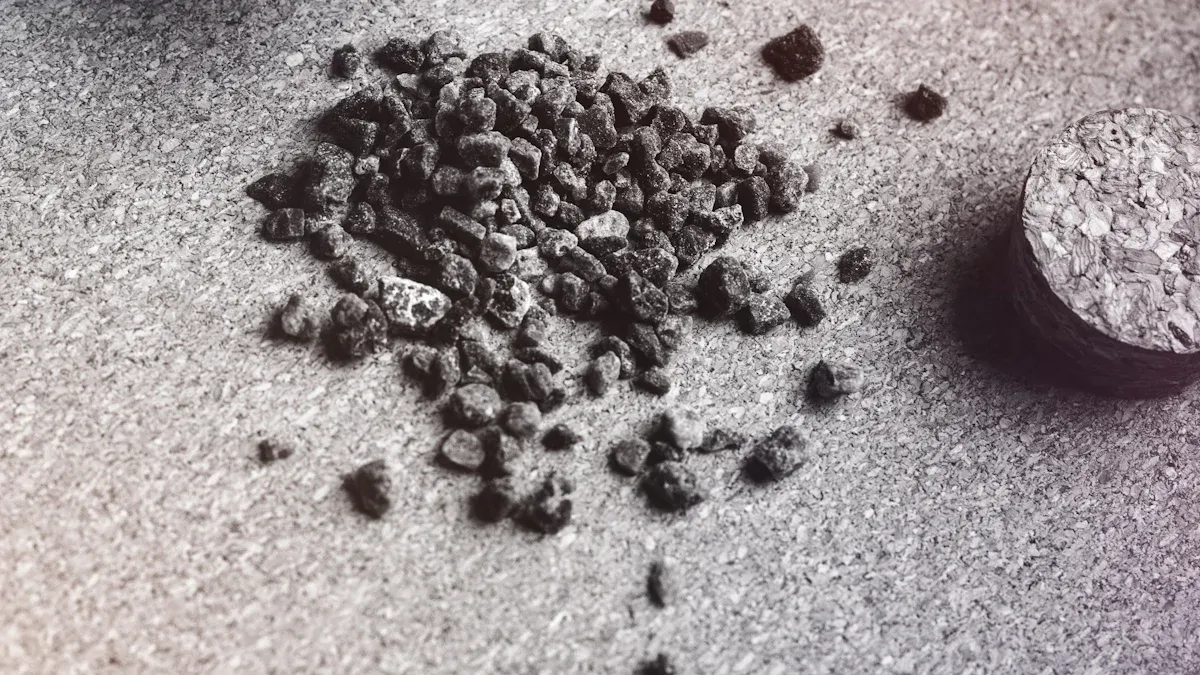
Blood Purification Activated Carbon helps you remove toxins from your blood. You see this technology used in hemoperfusion, where your blood passes through columns filled with activated carbon beads. These beads trap harmful substances, especially in cases of drug overdose or poisoning.
Activated carbon stands out in medical blood purification because it is safe, smooth, and does not break down during use. Special coatings, like cellulose acetate, help prevent blood clots and improve compatibility with your blood.
Reason | Description |
|---|---|
Effectiveness in Toxin Removal | It captures tough toxins that other methods may miss. |
Safety and Biocompatibility | Its high purity ensures safety in your bloodstream. |
Key Takeaways
Blood Purification Activated Carbon effectively removes toxins from your blood, especially in cases of poisoning or kidney failure.
Hemoperfusion is a safe treatment that uses activated carbon beads to trap harmful substances, improving your health and recovery.
Coated activated carbon beads enhance safety and reduce blood clot risks, making the treatment more effective.
This method targets a wide range of toxins, including protein-bound molecules, which other treatments may miss.
Always consult your doctor about the best blood purification method for your needs, as each has its strengths and limitations.
Blood Purification Activated Carbon in Hemoperfusion
Hemoperfusion Process
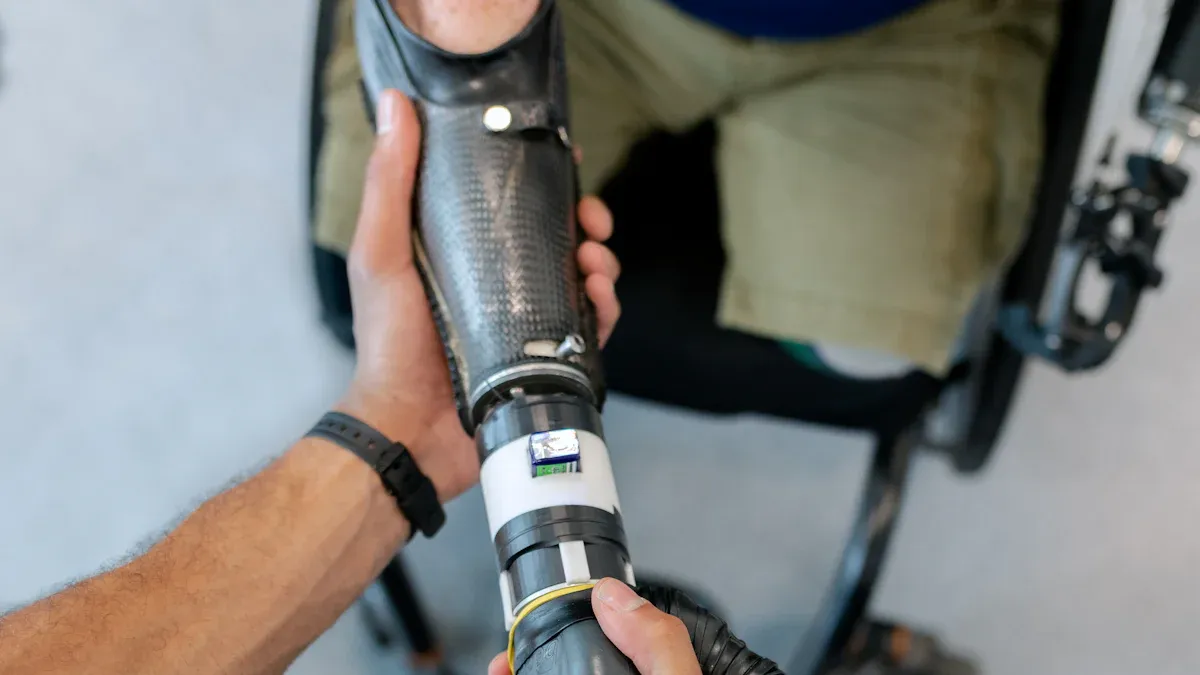
You experience hemoperfusion as a medical treatment that cleans your blood outside your body. Doctors use a special device that pumps your blood through a column filled with Blood Purification Activated Carbon beads. These beads act like tiny sponges. They grab toxins and harmful substances as your blood flows past them. You see this process used when you need to remove poisons, drugs, or waste products that your kidneys cannot filter.
During hemoperfusion, your blood enters the column and moves through the activated carbon beads. The beads trap molecules that can cause harm. You benefit from this process because it targets toxins that are difficult to remove with other methods. The treatment helps you recover faster and reduces the risk of complications.
Hemoperfusion gives you a direct way to remove dangerous substances from your bloodstream. You gain a safer and more effective option when traditional treatments do not work.
Adsorption Mechanism
Blood Purification Activated Carbon works by adsorbing toxins onto its surface. The beads have a network of pores that capture molecules based on their size and shape. You find that the adsorption mechanism depends on the structure of the activated carbon and the properties of the toxins.
Activated carbon adsorbs many cytokines and HMGB1 from your blood.
The adsorption happens in the mesopores and on the external surface of the beads.
Larger cytokine molecules stick mainly to the outside of the beads.
The molecular weight of the toxins and the porosity of the activated carbon affect how well the beads capture them.
You also see that activated carbon removes protein-bound uremic toxins during hemoperfusion. These toxins include indoxyl sulfate, p-cresyl sulfate, and indole acetic acid. The beads lower the levels of these harmful substances in your blood. You benefit because the reduction rates show that activated carbon is very effective.
Protein-bound uremic toxins are removed efficiently.
Indoxyl sulfate, p-cresyl sulfate, and indole acetic acid are among the toxins adsorbed.
The process leads to significant improvement in blood quality.
Blood Purification Activated Carbon gives you a powerful tool for blood purification. You get a treatment that targets a wide range of toxins and improves your health.
Types and Effectiveness of Activated Carbon
Coated Activated Carbon Beads
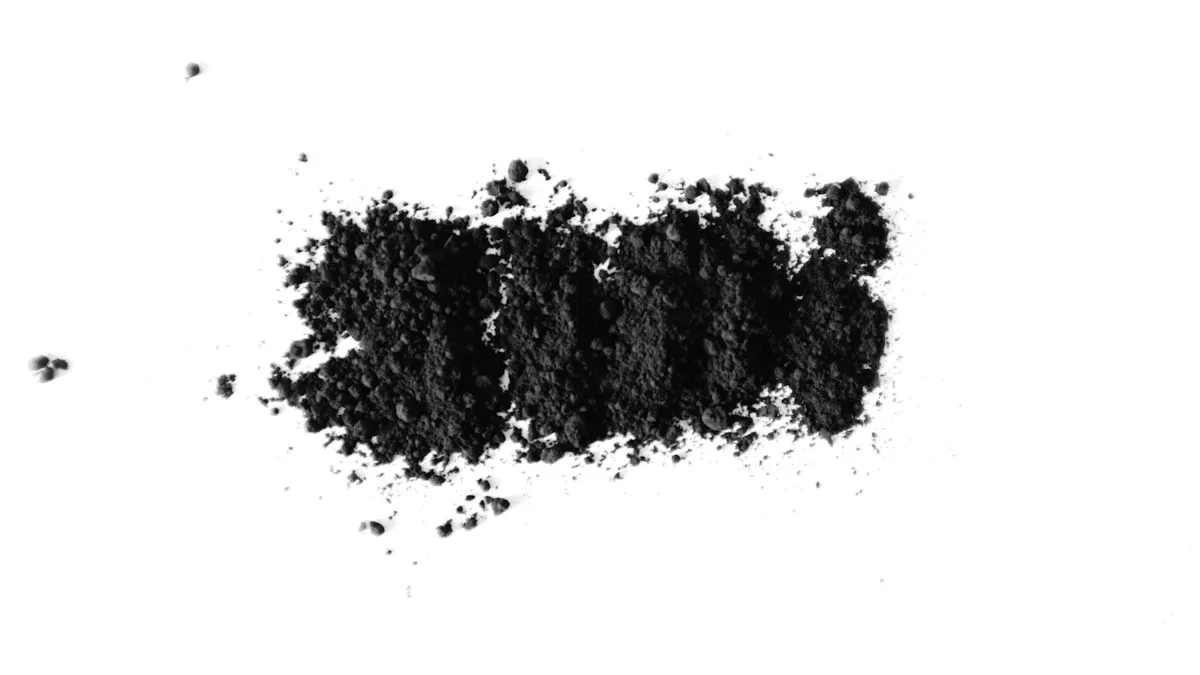
You find that coated activated carbon beads play a key role in blood purification. These coatings help the beads work better with your blood and reduce unwanted reactions. Common coating materials include zwitterionic polycarboxybetaine (PCB) hydrogels and TEMPO-oxidized cellulose nanofibers (TOCN). These coatings make the beads smoother and less likely to cause blood clots.
You can see how different coatings affect the beads’ ability to remove toxins. The table below shows how uncoated and dextran-coated beads compare:
Coating Type | Effect on Adsorption Capacity | Specific Toxins Affected |
|---|---|---|
Uncoated | Higher adsorption capacity | N/A |
Dextran Coated | Reduced adsorption capacity | Methylene blue, Vitamin B12, Bilirubin, Albumin |
Tip: Coated beads may lower the risk of side effects, but sometimes they also reduce how much toxin the beads can hold.
Molecules Removed
Blood Purification Activated Carbon targets a wide range of harmful substances in your blood. You benefit because these beads can remove drugs, waste products, and toxins that your kidneys cannot filter. The beads work well for patients with kidney failure and for those who need to clear dangerous substances quickly.
You see that activated carbon removes small and medium molecules, especially those that are hard to eliminate with regular dialysis. These include uncharged, lipophilic (fat-loving), and protein-bound molecules. The beads can clear substances with molecular weights from 100 to 40,000 Da. For example, PVP-coated activated charcoal can remove up to 39 mg/g of indoxyl sulfate and 42 mg/g of protein-bound toxins in just one hour. Some activated carbons have surface areas over 3400 m²/g and can hold up to 2000 mg/g of toxins. This high capacity makes them very effective.
Note: The ability to remove protein-bound and hydrophobic toxins sets this method apart from other blood purification techniques.
You gain a powerful tool for removing a broad spectrum of toxins with Blood Purification Activated Carbon.
Benefits and Safety for Patients
Patient Benefits
You gain many benefits when you use Blood Purification Activated Carbon for hemoperfusion. This treatment helps you remove toxins that your kidneys cannot filter. You see improvements in your health because the process targets harmful substances quickly and efficiently. Doctors observe better clinical outcomes in patients who receive this therapy.
Here is a table showing how hemoperfusion with activated carbon affects important clinical parameters:
Clinical Parameter | Outcome |
|---|---|
SpO2 Level | Significant increase |
CRP Level | Significant decrease |
Respiration Rate | Significant decrease |
Heart Rate | Significant decrease |
PaO2 Level | Significant increase |
Mortality | No effect observed |
You notice that your oxygen levels rise and your inflammation markers drop. Your breathing and heart rate improve, which helps you feel better during recovery. The treatment does not change mortality rates, but it gives you a safer and more comfortable experience.
You benefit from faster toxin removal, improved blood quality, and better clinical outcomes. This therapy supports your body when other treatments cannot help.
Safety Protocols
You must follow strict safety protocols during hemoperfusion with activated carbon. The hemoperfutor user manual highlights important steps to protect you and healthcare staff. You need to prime the device properly to prevent air emboli, which can cause serious complications. Staff wear personal protective equipment to avoid exposure to bloodborne pathogens. These protocols help reduce risks and keep everyone safe.
You face some potential risks during hemoperfusion. Doctors monitor you closely to catch any complications early. Here are some possible issues:
Thrombocytopenia can increase bleeding risks, so you need careful monitoring.
Interaction between blood components and the adsorbent surface may cause temporary drops in platelet count.
You may experience low calcium, phosphate, or blood sugar levels.
Your white blood cell count can decrease, which affects your immune response.
Fibrinogen levels may drop, making blood clotting harder.
Complication | Description |
|---|---|
Thrombocytopenia | Drop in platelet count, increasing bleeding risks. |
Leukopenia | Decrease in white blood cells, potentially affecting immune response. |
Hypocalcemia | Low calcium levels, which can lead to various physiological issues. |
Hypophosphatemia | Decrease in phosphate levels, affecting energy metabolism. |
Hypoglycemia | Low blood sugar levels, which can cause weakness and confusion. |
Decrease in fibrinogen | Reduced levels of a protein essential for blood clotting. |
You see that careful monitoring and safety protocols help manage these risks. Doctors check your blood regularly and adjust the treatment as needed. Regulatory standards require clinical performance testing, biocompatibility checks, and sterility for all devices. You can trust that Blood Purification Activated Carbon meets strict guidelines for safety and effectiveness.
Tip: Always ask your doctor about the safety steps taken during hemoperfusion. You play an important role in your own care by staying informed.
Comparison with Other Blood Purification Methods
Hemoperfusion vs. Other Methods
You may wonder how hemoperfusion stacks up against other blood purification technologies. Hemoperfusion uses adsorption to target and remove specific toxins from your blood. Other methods, like hemodialysis and plasma exchange, rely on membrane techniques. These methods separate compounds based on their size, not their type.
Here is a table that shows the main differences:
Technology | Mechanism of Action | Selectivity |
|---|---|---|
Hemoperfusion | Uses adsorption to remove specific compounds | High |
Hemodialysis | Uses membranes to separate compounds by pore size | Low (non-selective) |
Plasma Exchange | Removes plasma components without targeting specific toxins | Low (non-selective) |
Hemoperfusion gives you a more selective way to clear harmful substances. You see this method used when you need to remove toxins that are hard to filter with other technologies. Hemodialysis and plasma exchange do not target specific molecules. They work well for general waste removal but may miss certain toxins.
Hemoperfusion allows for selective removal of specific compounds through adsorption. Hemodialysis and plasma exchange do not selectively remove compounds; they separate based on pore size.
Advantages and Limitations
You gain several advantages with hemoperfusion. Activated carbon hemoperfusion removes unwanted plasma solutes and pathogens. This can be critical in conditions like sepsis and organ failure. You benefit because this method can adsorb large molecules and those with high protein-binding affinity. This makes hemoperfusion a promising treatment for various diseases.
Recent advancements in coatings for hemoperfusion adsorbents have improved blood compatibility. These improvements help you get safer and more effective treatments. In cases of severe poisoning, hemoperfusion using coated activated-charcoal columns has shown dramatic results. You may see significant clinical improvement and faster toxin removal.
Here are some advantages of hemoperfusion:
Removes a wide range of toxins, including large and protein-bound molecules.
Offers selective adsorption, targeting specific harmful substances.
Expands clinical use to inflammatory conditions, autoimmune diseases, and chronic uremic symptoms.
You should also know the limitations. Hemoperfusion may cause drops in platelet count or other blood components. You need careful monitoring during treatment. Some coatings can reduce adsorption capacity. Hemoperfusion works best for certain toxins but may not replace other methods for general waste removal.
Tip: Ask your doctor which blood purification method fits your needs. Each technology has strengths and weaknesses.
You see Blood Purification Activated Carbon as a powerful tool for hemoperfusion.
Activated carbon removes toxins quickly, especially in cases of drug poisoning and sepsis.
Devices use 100–300 g of carbon with blood flow rates of 300–450 mL/min for best results.
You benefit from improved safety, minimal side effects, and better clinical outcomes.
Recent advancements help you clear both small and protein-bound toxins faster. You should monitor your health during treatment and ask your doctor about the best options for your condition.
Choose hemoperfusion if you have highly protein-bound toxins or when hemodialysis is not available.
Always seek medical advice for personalized care.
FAQ
What is Blood Purification Activated Carbon?
You use Blood Purification Activated Carbon to remove toxins from your blood. The beads trap harmful molecules during hemoperfusion. This process helps you recover from poisoning or kidney failure.
Is hemoperfusion safe for you?
Doctors monitor you closely during hemoperfusion. You follow strict safety protocols. Most patients tolerate the treatment well. You may experience mild side effects, but doctors manage them quickly.
Which toxins does activated carbon remove?
You see activated carbon remove drugs, protein-bound toxins, and waste products. The beads target molecules that your kidneys cannot filter. You benefit from improved blood quality.
How long does hemoperfusion take?
Hemoperfusion usually takes two to four hours. You relax while your blood passes through the activated carbon column. The treatment time depends on your condition and the amount of toxins.
Can you use hemoperfusion with other treatments?
You can combine hemoperfusion with dialysis or plasma exchange. Doctors choose the best method for your needs. This approach helps you clear more toxins and supports your recovery.