
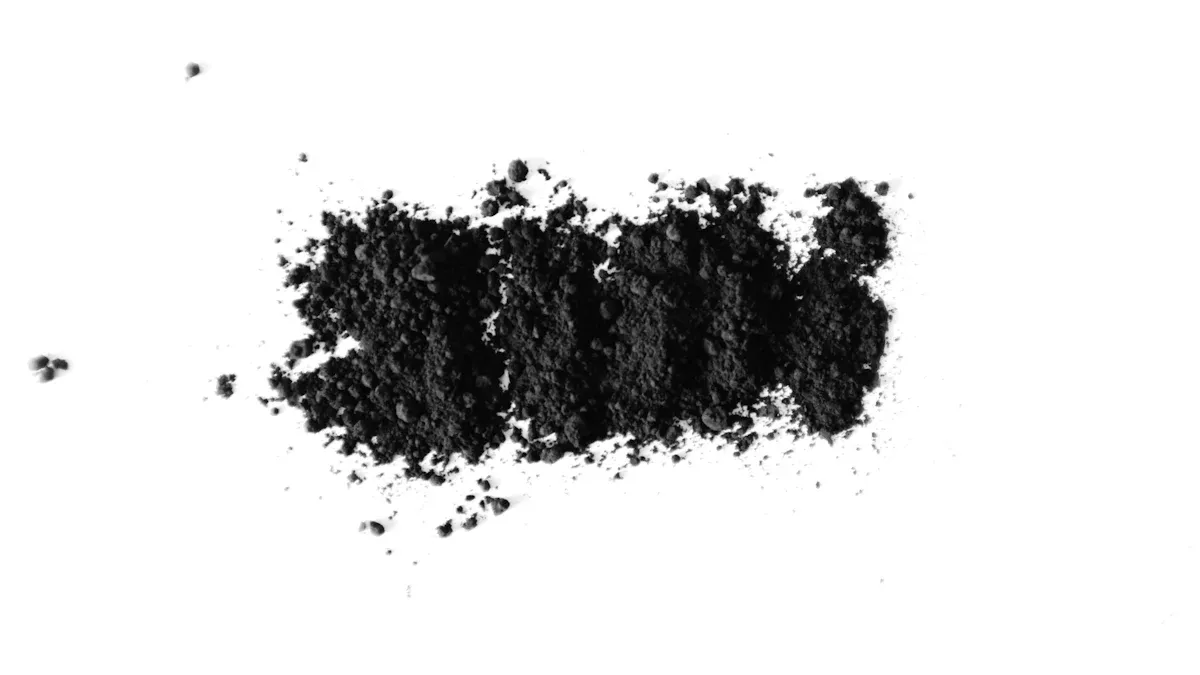
You can boost water quality in your fish tanks or ponds with Aquaculture Activated Carbon. This material traps impurities and harmful chemicals from the water. You help protect your fish from toxins and keep them healthy. It also removes chlorine, which can harm aquatic life. Cleaner water means less stress for your animals and a safer, more hygienic environment.
Key Takeaways
Activated carbon effectively removes impurities and toxins from aquaculture water, promoting fish health.
Using activated carbon improves water clarity and reduces unpleasant odors, enhancing the overall environment for fish and plants.
Regularly replace activated carbon every 2 to 4 weeks to maintain optimal water quality and fish health.
Choose the right type of activated carbon based on your aquaculture system’s needs for the best results.
Be aware of the limitations of activated carbon, such as potential harm to sensitive species and nutrient stripping.
Aquaculture Activated Carbon Overview
What Is Activated Carbon
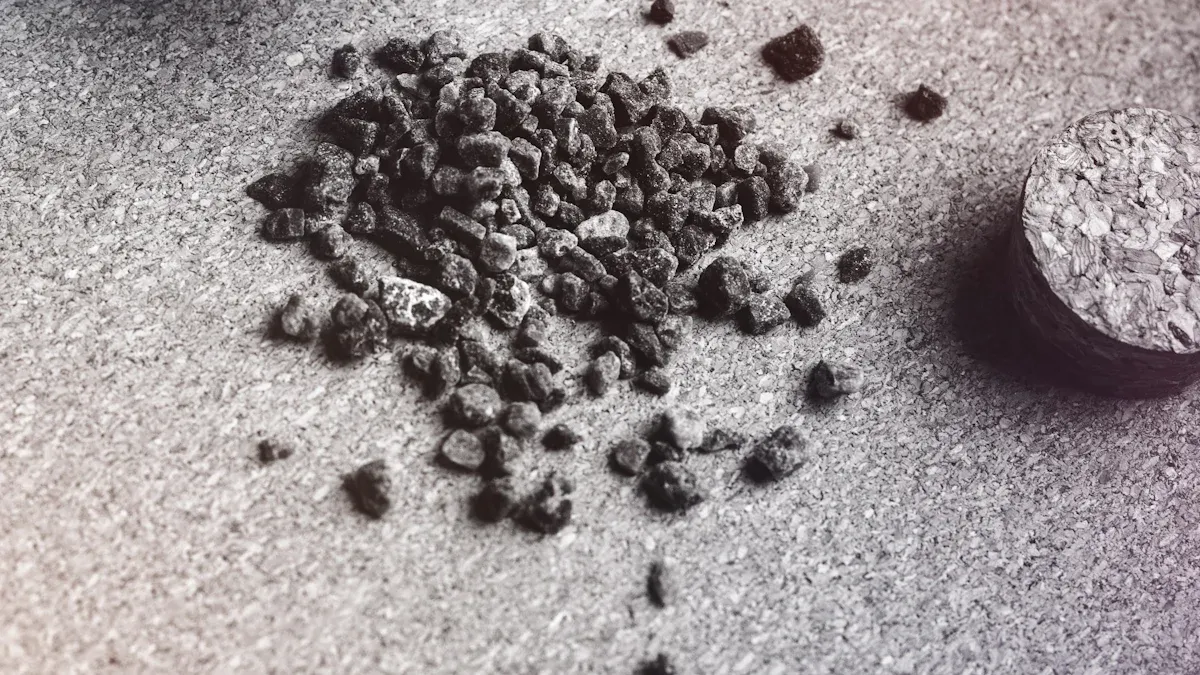
You use activated carbon as a powerful tool to clean water in aquaculture systems. This material comes from carbon-rich sources like bamboo waste, cherry stones, and even waste tea. Manufacturers heat these materials at high temperatures to create a network of tiny pores. These pores give activated carbon a large surface area, which helps it trap many different pollutants.
X-ray diffraction shows that CO2-activated carbon has a high degree of graphitization. This means it has a strong structure for holding onto impurities.
The activation process removes oxygen-containing groups and increases aromatic structures. This change boosts the ability of activated carbon to adsorb harmful substances.
When Fe3+ is added during activation, the pore size grows. Larger pores help capture more pollutants.
You can rely on activated carbon because it is low-cost and versatile. It works well for treating aquaculture effluent, which often contains antibiotics and nutrients.
How It Works In Aquaculture
Aquaculture Activated Carbon acts like a sponge for dissolved organic compounds and chemicals. You place it in your filtration system, and it starts to adsorb toxins, leftover fish food, and even some medicines used in fish care. The effectiveness of this process depends on the size and number of pores in the carbon.
Tip: The more surface area and pore space your activated carbon has, the better it will clean your water.
Activated carbon can remove substances like Oxytetracycline and Malachite Green. These are common therapeutants in aquaculture. The carbon’s structure allows it to compete for and trap different compounds, making your water safer for fish and plants.
Types Used In Aquaculture
You can choose from several types of Aquaculture Activated Carbon. Each type comes from different natural sources:
Bamboo waste
Cherry stones
Waste tea
Paulownia flower
Manufacturers may modify the carbon to increase its surface area or change its pore size. These changes help the carbon work better in different aquaculture setups. You should select the type that matches your system’s needs for the best results.
Benefits For Water Quality

Adsorbing Impurities And Toxins
You want your fish to live in clean water. Aquaculture Activated Carbon helps you reach this goal by trapping many harmful substances. When you add this material to your system, it acts like a magnet for dissolved organic compounds, leftover food, and even some medicines. These impurities can build up quickly and harm your fish if you do not remove them.
You can count on Aquaculture Activated Carbon to reduce stress on your aquatic animals. Cleaner water means your fish do not have to fight against toxins. This leads to better growth and stronger immune systems. You also help keep your tanks or ponds more hygienic, which lowers the risk of disease outbreaks.
Note: Removing toxins and impurities supports the health of both fish and beneficial bacteria in your system.
Improving Clarity And Odor
Cloudy water makes it hard to see your fish and plants. You can solve this problem with Aquaculture Activated Carbon. It removes tiny particles and dissolved substances that cause water to look dull or discolored. When you use it, you restore the visual quality of your water. Your tanks and ponds look brighter and more attractive.
You may also notice that your system smells better. Odor-causing compounds like geosmin and MIB often build up in recirculating aquaculture systems. These smells can make your fish taste bad and lower the quality of your harvest. Activated carbon traps these compounds, so you get fresher water and healthier fish.
Cleaner water improves the appearance of your tanks.
Less odor means a better environment for you and your fish.
Dechlorination And Fish Health
Tap water often contains chlorine and chloramine. These chemicals protect people, but they can harm fish and other aquatic life. You need to remove them before adding water to your system. Activated carbon gives you a natural and effective way to do this.
When you use activated carbon, you protect your fish from harmful chemicals. You also help good bacteria grow in your filters. These bacteria break down waste and keep your water safe. Cleaner water also helps your equipment last longer, saving you money and effort.
Tip: Always check your water for chlorine before adding it to your tanks or ponds.
Aquaculture Activated Carbon supports a healthy, low-stress environment for your fish. You get clearer water, fewer odors, and safer conditions for all aquatic life.
Using Activated Carbon In Aquaculture
Application Methods
You can use activated carbon in many types of aquaculture systems. The way you apply it depends on your setup. For ponds, tanks, and recirculating systems, follow these guidelines:
Ponds: Add 1 pound of carbon for every 100 gallons of water. Replace it every 4-6 weeks. If you notice cloudy water or a bad smell, change it sooner.
Tanks: Use 1 tablespoon of carbon for every 10 gallons of water. Change it every 3-4 weeks. Remove the carbon if you are treating your fish with medicine.
Recirculating Systems: Use 1 pound of carbon for every 75 gallons of water. Replace it every month. Test your water often to make sure it stays clean.
In large-scale facilities, you may see activated carbon used with ultrafiltration to treat seawater. This method works well for removing chemical pollutants, especially in shellfish hatcheries. It helps protect both shellfish and microalgae. Over a year, this process has shown strong results, even when seawater quality changes. In smaller setups, you might find that ultrafiltration alone is easier and works better for microalgae production.
Tip: Always follow the recommended dosage for your system. Too much or too little carbon can affect water quality.
Choosing And Maintaining Activated Carbon
You need to pick the right type of Aquaculture Activated Carbon for your system. Look for carbon with a high surface area and the right pore size for your needs. Some types work better in freshwater, while others suit saltwater.
To keep your system healthy, check your carbon often. Here are some signs that it is time to replace it:
Water turns yellow or cloudy.
You notice a bad smell.
Algae starts to grow more quickly.
Replace your carbon every 2-4 weeks to keep it working well. If you see any of these signs, change it sooner. Regular maintenance helps your fish stay healthy and your water stay clear.
Note: Always remove activated carbon during medication treatments. It can absorb the medicine and make it less effective.
Limitations And Considerations
Potential Drawbacks
You should know that activated carbon is not perfect. It comes with some disadvantages that can affect your aquaculture system. Here is a table that shows the main drawbacks:
Disadvantage | Description |
|---|---|
Cost | Activated carbon can be expensive, especially advanced types. |
Overkill for Low-Load Systems | In tanks with few fish, you may not need such a powerful filter, making it less cost-effective. |
Nutrient Stripping | Using too much can remove important trace elements like iodine, manganese, and iron. |
Carbon Dust Issues | Fine dust can irritate fish gills and harm sensitive species like corals. |
If you use activated carbon for a long time, it can clog your filters. This blocks nutrients and oxygen from reaching beneficial bacteria. These bacteria help break down waste. When they cannot work well, your water quality may drop.
When To Avoid Use
You should avoid activated carbon in some cases. If you keep sensitive benthic animals, like worms or suspension feeders, activated carbon can harm them. Studies show that many benthic species, including A. filiformis, suffer when exposed to activated carbon. Their numbers and size can drop a lot. Nearly 80 out of 112 species in one study had negative effects.
You should also avoid using activated carbon during medication treatments. It can remove the medicine from the water, making the treatment less effective. If your system has low fish loads, you may not need activated carbon at all.
Alternatives
You have other options for water filtration. Natural materials like wood, shells, charcoal, and coconut shells work well. These materials support good bacteria and help remove nitrogen compounds. They are also more eco-friendly than plastic.
Here is a table comparing some filtration media:
Filtration Media | TAN Conversion Rate (g/m³/d) | Nitrite Conversion Rate (g/m³/d) | Oxygen Conversion Rate (g/m³/d) |
|---|---|---|---|
Coconut Shells | 599 | 704 | 3.0 |
Commercial Plastic | Similar | 704 | <1.0 |
Cattle Horns | 343 | 457 | N/A |
You can also try biochar or zeolite. These have high porosity and help bacteria grow. Plant-based wastes are cheap and good for the environment. Using these alternatives can help you meet sustainability goals and keep your water clean.
You can use activated carbon to keep your aquaculture water clean and safe. It removes toxins, improves clarity, and helps your fish stay healthy. Cleaner water means less stress for your animals and fewer disease problems.
Activated carbon supports a hygienic environment.
It helps you manage odors and harmful chemicals.
Remember: Activated carbon has some limits. Always check your system’s needs before you choose to use it.
FAQ
How often should you replace activated carbon in your aquaculture system?
You should replace activated carbon every 2 to 4 weeks. If you see cloudy water or smell bad odors, change it sooner. Regular replacement keeps your water clean and your fish healthy.
Can you use activated carbon with all types of fish?
Most fish do well with activated carbon. Sensitive species, like some benthic animals, may not. Always check if your fish or invertebrates react badly before using it.
Does activated carbon remove all chemicals from water?
Activated carbon removes many chemicals, like chlorine and medicines. It does not remove ammonia, nitrite, or nitrate. You still need biological filters for those.
What signs show that activated carbon needs changing?
Look for these signs:
Water turns yellow or cloudy
Bad smells appear
Algae grows faster
If you notice these, replace the carbon right away.