
Lithium Battery Activated Carbon

Scene Details

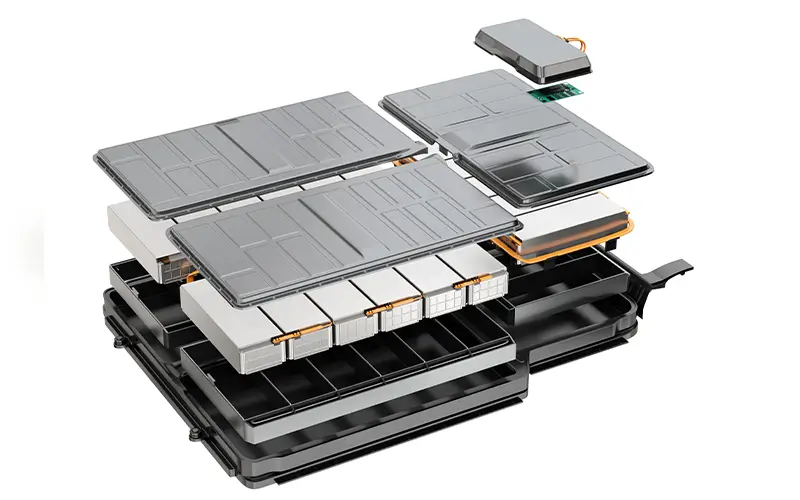
The performance and safety of lithium-ion batteries are paramount in powering everything from portable electronics to electric vehicles. Beyond the primary electrode materials, advanced functional components play a critical role. Specially engineered activated carbon serves as a key material in enhancing battery safety and performance. This page details its vital applications as a conductive additive, in safety vents, and within specialized lithium-based capacitor hybrids. We will explore how its unique properties contribute to longer cycle life, improved rate capability, and safer operation, supporting the next generation of energy storage technology.

Role of Activated Carbon

Within lithium battery systems, activated carbon fulfills several specialized roles. Primarily, as a conductive additive mixed with the cathode or anode active material, its high surface area and electrical conductivity enhance electron transfer, reducing internal resistance and improving power density. Furthermore, in certain cell designs, porous carbon layers act as reservoirs for electrolyte or as functional separators to mitigate dendrite growth. Its chemical stability and adsorption properties also make it suitable for use in safety components to manage internal pressure or absorb trace moisture, contributing to overall cell reliability and safety.

Related Product Categories

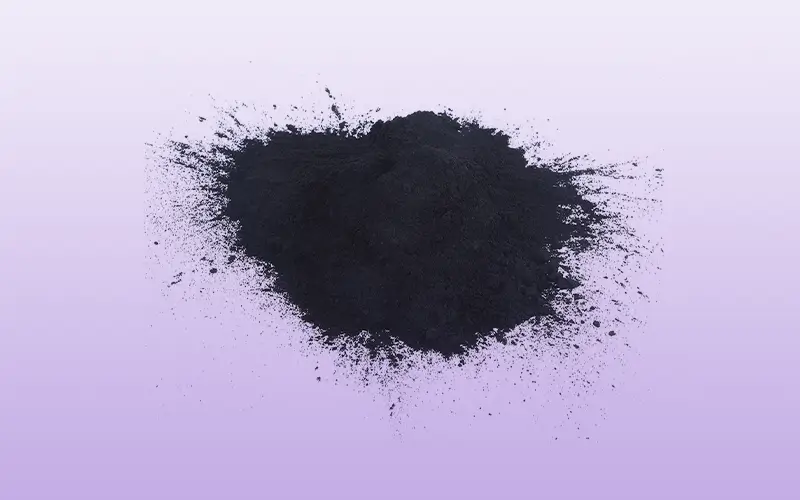
High-Purity Powdered Activated Carbon

An ultra-fine conductive additive for electrode slurries, enhancing electronic conductivity and electrolyte wetting within the electrode matrix.

Coconut Shell Based Activated Carbon

Offers a consistent, microporous structure and high purity, ideal for sensitive electrochemical applications where impurity control is critical.
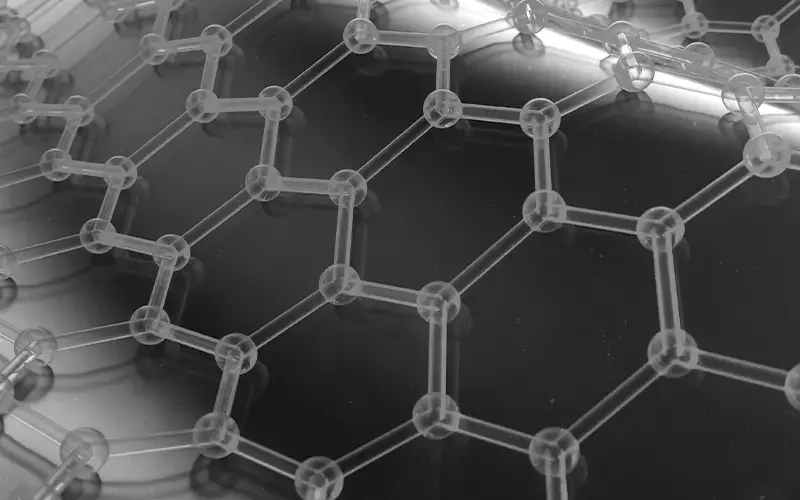
Chemical Activation Activated Carbon

Provides a highly tailored, microporous network suitable for applications requiring precise pore size control and maximum surface area.
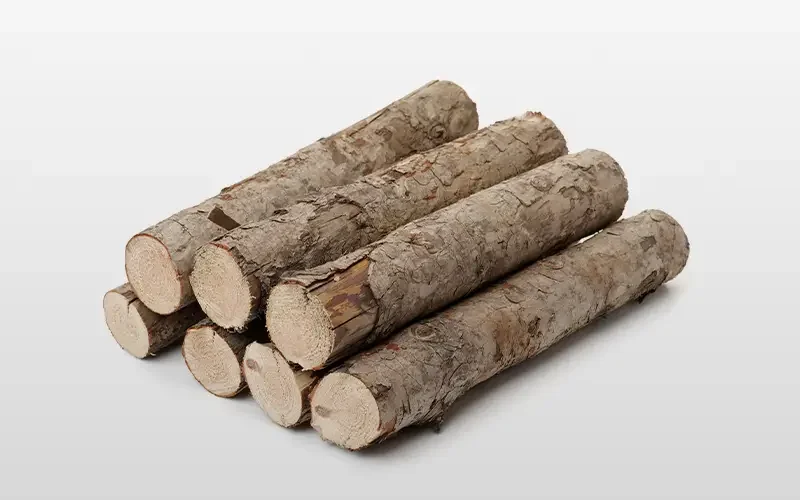
Wood Based Activated Carbon

Features a broader pore structure, useful in functional layers or components where electrolyte absorption and retention are key.
Specific Solutions

Conductive Additive for Electrodes

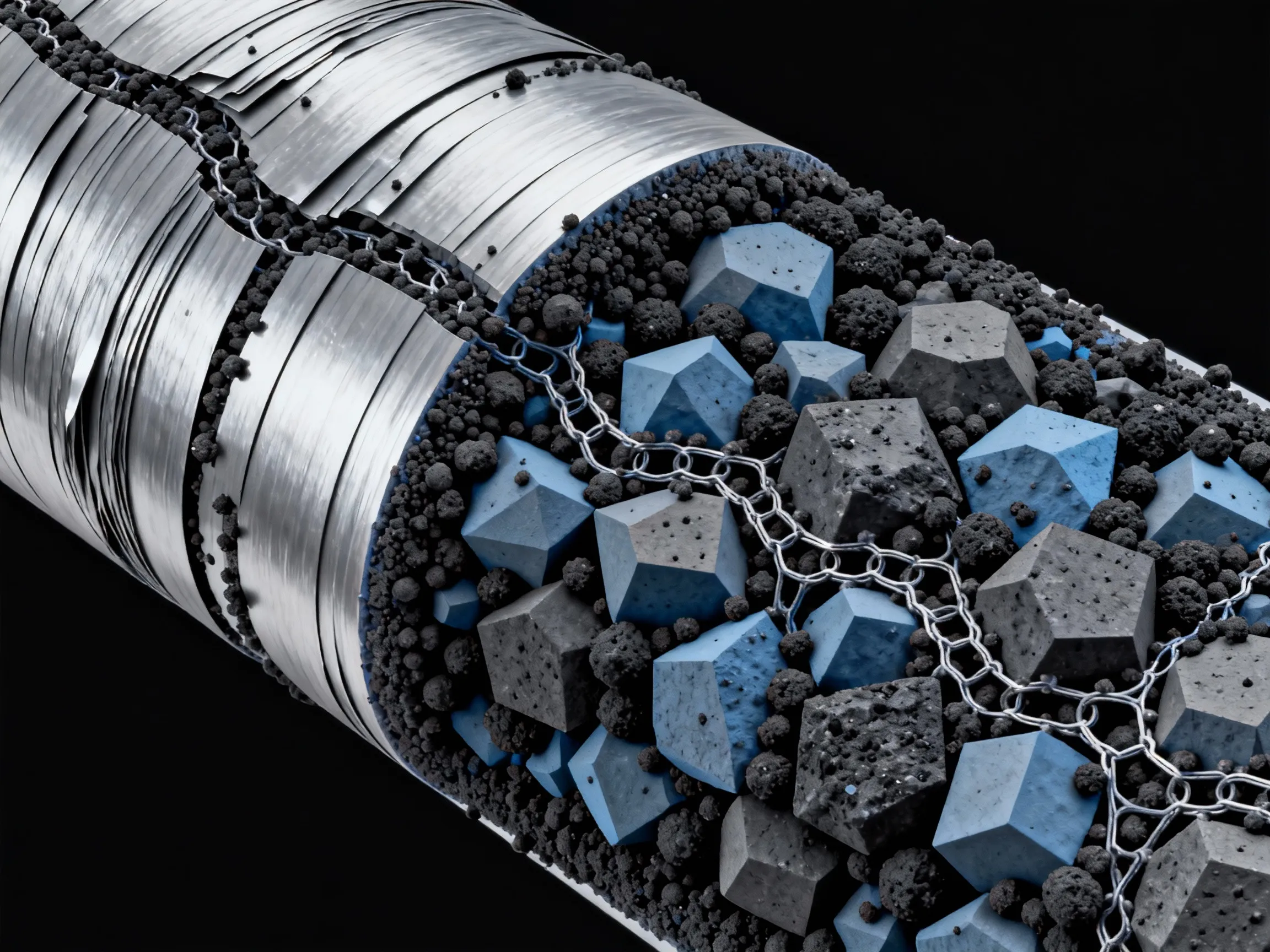
A small percentage of high-purity powdered activated carbon is incorporated into the cathode or anode slurry during electrode manufacturing. Dispersed alongside the active material (like NMC or graphite) and a binder, the carbon particles create a percolating conductive network throughout the electrode coating. This drastically reduces the electrode’s electronic resistance, enabling faster charge and discharge rates (high C-rates) and improving the utilization of the active material, particularly in thick electrodes designed for high-energy-density cells. This solution is essential for achieving the power performance demanded by modern applications.

Functional Component in Lithium-Ion Capacitors (LICs)

Lithium-Ion Capacitors are advanced hybrid devices combining a battery-type anode (pre-lithiated carbon) with a supercapacitor-type activated carbon cathode. In the cathode, specialized activated carbon with an optimized pore size distribution provides the high surface area for electrostatic ion adsorption. This unique construction bridges the gap between batteries and supercapacitors, offering much higher energy density than standard supercapacitors and significantly greater power density and cycle life than conventional lithium-ion batteries, ideal for applications requiring frequent, high-power pulses.

Safety and Performance Additive

Activated carbon is engineered into functional layers within the battery cell to enhance safety and longevity. It can be coated onto the separator to improve thermal stability and electrolyte wettability, promoting more uniform ion flow. Its adsorbent properties are also utilized to scavenge trace moisture or acidic by-products that can degrade cell performance over time. In some designs, porous carbon materials are integrated into pressure relief vents. These multifaceted applications help prevent thermal runaway, extend cycle life, and increase the overall safety margin of the battery pack.

Why Choose Us

Battery-Grade Purity

Our products are manufactured to exceed stringent purity standards, ensuring minimal metallic impurities that can degrade battery performance and safety.

Tailored Pore Engineering

We specialize in customizing pore structure and surface chemistry to meet specific requirements for conductivity, adsorption, or electrolyte interaction.

Proven Electrochemical Stability

Our carbons are validated for long-term stability within aggressive battery electrolyte environments, ensuring consistent performance.

Collaborative Development

We partner closely with battery manufacturers and R&D teams to co-develop and scale new carbon solutions for cutting-edge energy storage designs.

Scroll to Top

Get Inquiry

Name