
Impregnated Activated Carbon gives you better filtration because manufacturers add inorganic substances to the carbon. You get improved performance compared to regular activated carbon. This material removes tough contaminants like mercury, gases, and bacteria. It works through both adsorption and chemical reactions.
The global market size reached $324.659 million in 2021.
Experts expect it to grow to $613.8 million by 2025 and $2,193.95 million by 2033.
The market is growing fast, with a CAGR of 17.26%.
Punti di forza
Impregnated Activated Carbon offers superior filtration by removing tough contaminants like mercury and bacteria, making it ideal for air and water purification.
The manufacturing process involves careful selection of raw materials and specific steps that enhance the carbon’s ability to trap pollutants, ensuring high performance.
Different types of impregnated activated carbon target specific contaminants, such as acid-impregnated carbon for alkaline pollutants and metal-impregnated carbon for heavy metals.
Using impregnated activated carbon can save money over time due to its longer lifespan and effectiveness, especially in industries with strict safety and purity requirements.
Choosing the right type of impregnated activated carbon based on your needs ensures better results and compliance with environmental standards.
Impregnated Activated Carbon Manufacturing
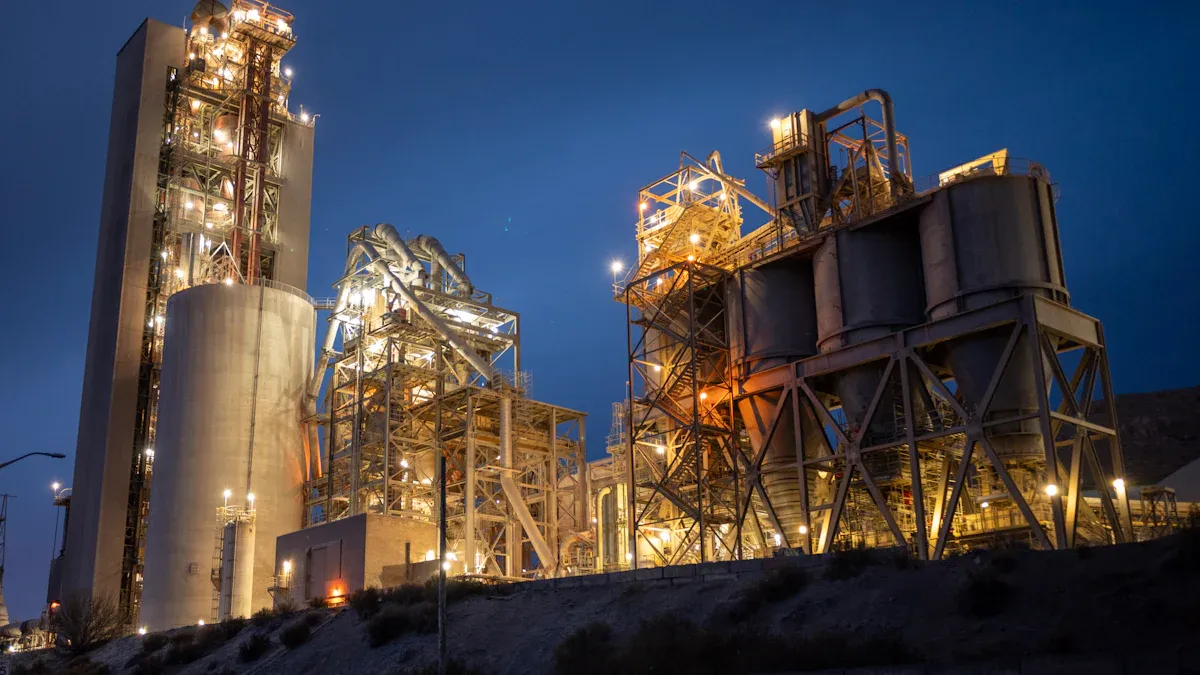
Raw Materials and Preparation
You start with choosing the right raw material. The type of raw material you select changes how well the final product works. Each material has its own strengths. Here is a table to help you see the differences:
Raw Material | Vantaggi |
|---|---|
Coal pelletized, wooden pelletized | Best for gas purification and protection. |
Coconut shell granular | Great for water purification, catalyst carriers, gas masks, and protection. |
Wood granular | Used more for decolorization, like in copper or magnesium impregnated activated carbon. |
You need to clean and dry the raw material. Then, you crush and sieve it to get the right size. The surface of the raw material matters a lot. If you use coconut shell, you get more pores for water treatment. If you use coal, you get better gas purification. The choice of raw material also affects how well metals or chemicals stick to the surface. This step sets the stage for making high-quality impregnated activated carbon.
Impregnation Process Steps
You follow a series of steps to make impregnated activated carbon. Each step helps improve the product’s ability to remove pollutants. Here is a simple breakdown:
Clean and dry your raw material. Crush and sieve it to a fine powder.
Mix the powder with activating agents like zinc chloride, potassium hydroxide, or phosphoric acid. Keep the ratio right and stir for about three hours at 90°C.
Dehumidify the mixture at 110°C for two days.
Heat the sample in a special furnace under nitrogen gas. Raise the temperature slowly.
Wash the solid with hydrochloric acid at 50°C for half an hour. This step removes impurities and opens up more pores.
Rinse the sample with pure water until it reaches a neutral pH.
Dry the final product in an oven at 110°C for one day.
You can see that soaking, drying, and heat treatment all play important roles. The temperature and washing steps help increase the number of pores and improve the ability to trap gases or chemicals.
Surface Modification and Quality Control
You need to pay attention to the surface of the carbon. The surface groups, like carbon-oxygen bonds, help metals stick better. When you add metals like copper or vanadium, you boost the ability to capture gases such as SO2 or CO. If you use phosphoric acid, you create more tiny pores and special groups on the surface. This makes the carbon better for removing color from liquids.
You also need to control the temperature during the process. Higher temperatures can change the size of the pores. Washing the samples well helps remove leftover chemicals and opens up more space for adsorption. You test the final product to make sure it meets quality standards. You check for things like pore size, surface area, and how well it removes specific pollutants.
Tip: Mixing different metals, like copper and vanadium, can give you even better results than using just one. This helps you target more types of contaminants.
By following these steps, you create impregnated activated carbon that works better for your needs. The right choices in raw materials, chemicals, and process steps help you get the best performance for air, water, or industrial applications.
Types of Impregnated Activated Carbon
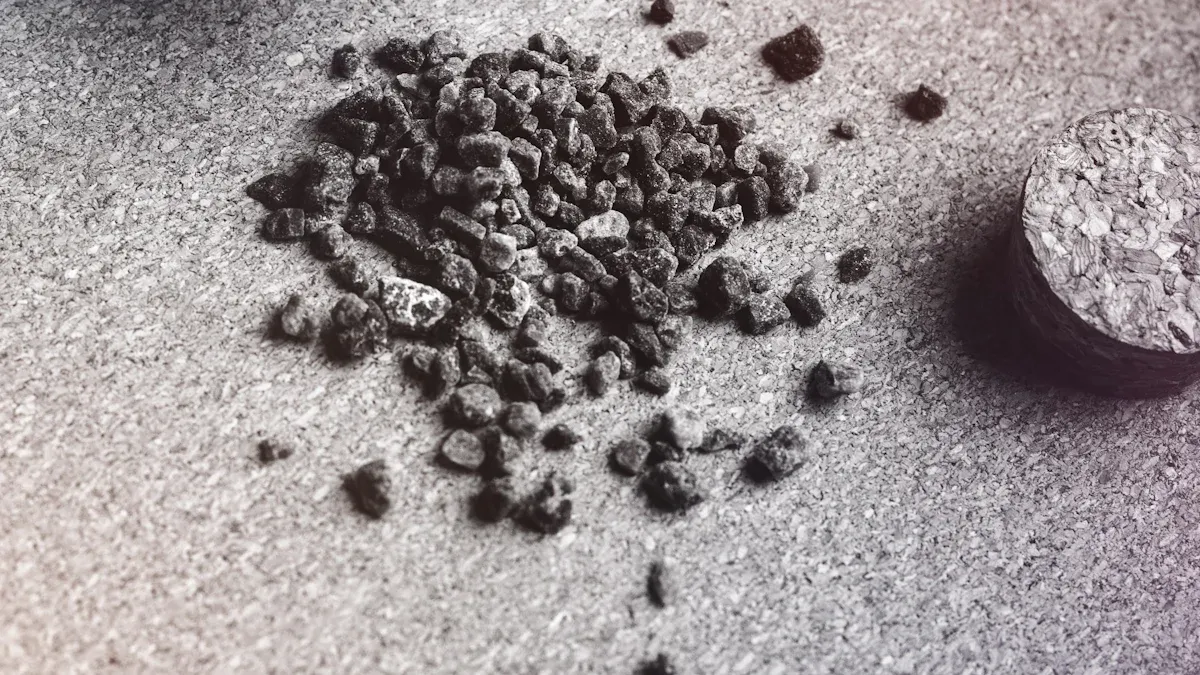
You can choose from several types of Impregnated Activated Carbon. Each type uses a different agent to target specific contaminants. Let’s look at the main categories and see how they work.
Acid-Impregnated Carbon
Acid-impregnated carbon uses acids like sulfuric acid to boost its filtration power. You get a material that traps alkaline pollutants and neutralizes harmful gases. This type works well in water treatment plants and air filters.
Acid-impregnated carbon helps you remove tough contaminants like ammonia, hydrogen sulfide, and volatile organic compounds (VOCs). You can use it in factories, municipal systems, and commercial buildings.
Here is a table that shows the main features:
Characteristic | Descrizione |
|---|---|
The acid changes the carbon’s surface, making it better at trapping acidic gases. | |
Targeted Contaminants | Removes corrosive gases, ammonia, hydrogen sulfide, and VOCs. |
Applicazioni | Used in industrial, municipal, and commercial filtration systems. |
Base-Impregnated Carbon
Base-impregnated carbon uses substances like sodium hydroxide or potassium hydroxide. You get a material that targets acidic gases and organic compounds. This type works well in many industries.
Here is a table that shows where you can use base-impregnated carbon:
Sector | Application |
|---|---|
Filtration for drinks | |
Dairy processing | Removes impurities in dairy products |
Food processing | Keeps food safe by removing contaminants |
Energy & Power Systems | Controls emissions in diesel and gas engines |
Healthcare | Purifies air in hospitals and clinics |
Life science | Filters biologics and sterile products |
Material processing | Used in metalworking and mining |
Waste & recycling | Treats organic waste and wastewater |
You can use base-impregnated carbon to clean air, water, and food. It helps you keep your products safe and your environment clean.
Metal-Impregnated Carbon
Metal-impregnated carbon uses metals like copper, silver, or iron. You get a material that targets specific pollutants, such as arsenic or mercury. The metal changes the surface of the carbon, making it more effective.
Metal-impregnated carbon works even if it has a lower surface area. The metal boosts its ability to trap pollutants, so you get better results than with regular activated carbon.
You can use metal-impregnated carbon in water treatment, air purification, and industrial processes. It helps you remove heavy metals and other dangerous substances.
Specialized Impregnates
Specialized impregnates give you unique solutions for tough problems. You can find carbon infused with silver or iodine for water purification. Some types work in nuclear plants to trap radioactive iodine. Others help in fine chemical production or oil emulsification.
Here is a table with some examples:
Specialized Impregnate | Unique Application |
|---|---|
Nuclear applications | Traps radioactive iodine and methyl iodine |
Catalytic carbon | Used in chemical production and oil emulsification |
Cigarette filters | Keeps contaminants out of cigarette smoke |
Automotive applications | Removes odors and pollutants from vehicle air systems |
You can use specialized impregnates for domestic water purification.
You can use them in cars to keep the air fresh.
You can use them in factories to make chemicals or treat waste.
Tip: Choose the right type of Impregnated Activated Carbon for your needs. Each type targets different contaminants and works best in certain environments.
Uses and Benefits
Air and Gas Purification
You can use Impregnated Activated Carbon to clean air and gas in many places. This material traps germs, odors, and harmful gases. Silver-impregnated carbon stops bacteria and pathogens. You get fresher air in homes, factories, and hospitals. The carbon also removes smells and volatile organic compounds (VOCs) from air purifiers and vents.
Use Case | Descrizione |
|---|---|
Silver-impregnated carbon traps germs and pathogens. | |
Odor control | Removes smells in air purifiers and vents. |
VOC removal | Captures airborne pollutants like VOCs. |
You see this technology in power plants, waste incinerators, biogas plants, and chemical factories. It removes mercury, hydrogen sulfide, and sulfur gases, making the air safer.
Area di applicazione | Pollutants Removed | Benefici |
|---|---|---|
Power plants | Mercury, hydrogen sulfide | Cleaner air, safer emissions |
Waste incinerators | Mercury | Meno inquinamento |
Biogas plants | Hydrogen sulfide | Better gas quality |
Chemical factories | Sulfur gases | Safer work environment |
Tip: The porous structure and large surface area help capture VOCs. You get high efficiency when you choose the right carbon type and keep the air moving at the right speed.
Water Treatment Applications
You can use this carbon to clean water in homes and factories. Granulated activated carbon with silver salts stops bacteria from growing. Municipal water plants use it to remove nitrates and sulfates. The carbon works better than traditional types because it has special surface modifications.
Caratteristica | Carbone attivo impregnato | Traditional Activated Carbon |
|---|---|---|
Target Contaminants | Nitrates, Sulfates | General contaminants |
Surface Modification | Yes (with metal oxides) | No |
Selectivity | Alto | Basso |
Binding Mechanism | Ion exchange | Assorbimento |
Efficiency in Removal | Notably low concentrations | Variable |
You get safer drinking water.
You remove bacteria and harmful chemicals.
You meet strict water quality standards.
Industrial and Environmental Uses
You find this carbon in many industries. Chemical plants use it for process purification and solvent recovery. Pharmaceutical companies rely on it for drug purification and water treatment. Food factories use it to refine oils and remove unwanted flavors. It also helps control mercury emissions from power plants and cement kilns.
Chemical Industry: Purifies products and recovers solvents.
Pharmaceutical Industry: Ensures safe drugs and clean water.
Food Industry: Refines oils and removes bad tastes.
Environmental Remediation: Cleans air and water in polluted areas.
Note: Activated carbon products help industries meet environmental standards and keep pollution under control.
Advantages Over Regular Activated Carbon
You get better results with impregnated activated carbon. It targets specific contaminants through chemical reactions and optimized properties. For example, potassium iodide helps turn hydrogen sulfide into sulfur. Sulfur reacts with mercury at room temperature, making removal easier. Phosphoric acid boosts the removal of ammonia vapors. The large internal surface area lets you trap more pollutants.
You remove tough contaminants like mercury, ammonia, and VOCs.
You get higher selectivity and efficiency.
You meet strict safety and environmental rules.
Callout: Choose impregnated activated carbon when you need to target specific pollutants and achieve high performance.
Comparison With Regular Activated Carbon
Performance Differences
You will notice clear differences in how Impregnated Activated Carbon and regular activated carbon perform. In laboratory tests, scientists use several metrics to compare them. The table below shows some important ones:
Metric | Descrizione |
|---|---|
Measures how well TEDA-impregnated carbon removes methyl iodide from air. | |
BET specific surface area | Shows the total surface area for adsorption. |
TEDA content | Tells you how much tri-ethylene-di-amine is in the carbon. |
Impregnated Activated Carbon often removes specific chemicals, like methyl iodide, much better than regular carbon. You also get a longer lifespan with some types. For example, catalytic activated carbon can last 6-12 months or more, while regular carbon usually lasts only 3-6 months.
Caratteristica | Regular Activated Carbon | Carbone attivo catalitico |
|---|---|---|
Durata della vita | 3-6 months | 6-12+ months |
Tip: You can reduce how often you need to replace your filters by choosing the right type of carbon.
Cost and Suitability
You may wonder about the cost. Impregnated Activated Carbon can cost more upfront, but it often saves you money over time. It lasts longer and works better for tough jobs. The table below shows how cost-effectiveness changes by application:
Application Type | Key Drivers | Cost-Effectiveness Impact |
|---|---|---|
Purificazione dell'aria | Need for clean air and strict rules | |
Cibo e bevande | Food safety and quality | Growing |
Industria farmaceutica | High purity needed | High demand |
Chemical Processing | Purification and chemical recovery | Cost-effective |
Miniere | Gold recovery and wastewater treatment | Economically viable |
Environmental Cleanup | Removing pollutants from contaminated sites | Essential |
You get the best value in industries where safety and purity matter most. You also save money in the long run because you do not need to change the carbon as often.
Application-Specific Value
You should choose Impregnated Activated Carbon when you need to remove certain pollutants that regular carbon cannot handle well. For example, iron-impregnated carbon removes cyanide from water much better than regular carbon.
Application | Type of Carbon | Confronto delle prestazioni |
|---|---|---|
Removal of cyanide from water | Iron-impregnated activated carbon | Superior adsorption compared to regular activated carbon |
Note: You get the greatest value in applications that need targeted removal of dangerous chemicals. This makes Impregnated Activated Carbon the best choice for many specialized uses.
You see that Impregnated Activated Carbon stands out for its ability to remove tough pollutants from air and water. The manufacturing process uses special raw materials and impregnation steps to boost performance.
The market grows quickly because people want cleaner air and water.
Strict environmental rules and health concerns drive demand.
New product formulas and sustainable methods appear.
Coal-based and coconut-based carbons offer unique benefits.
Air purification leads as the largest application.
When you choose the right carbon, you get better results for your needs. The table below helps you compare options:
Tipo di carbone attivo | Suitable For | Vantaggi |
|---|---|---|
Regular Activated Carbon | Organic compounds, VOCs, odors | Cost-effective, good for simple pollutants |
Carbone attivo catalitico | Industrial pollutants like NOx or SOx | Catalytic oxidation, breaks down toxic gases |
Tip: Think about your target contaminants and application before making a choice. You get the best value when you match the carbon type to your specific needs.
FAQ
What makes impregnated activated carbon different from regular activated carbon?
You get extra filtration power because manufacturers add chemicals or metals. This helps you remove specific pollutants like mercury, bacteria, or gases. Regular activated carbon only uses adsorption.
Can you use impregnated activated carbon for drinking water?
Yes, you can use it for drinking water. You get safer water because it removes bacteria, nitrates, and other harmful chemicals. Always check if the product meets water safety standards.
How long does impregnated activated carbon last?
You usually get 6 to 12 months of use, depending on the application. Regular activated carbon lasts 3 to 6 months.
Type | Durata di vita tipica |
|---|---|
Carbone attivo impregnato | 6–12 months |
Regular Activated Carbon | 3–6 months |
Is impregnated activated carbon safe for home use?
You can safely use it in air purifiers, water filters, and odor control products. Manufacturers test it for safety. Always follow instructions and replace filters as recommended.
What pollutants does impregnated activated carbon remove best?
Mercury
Hydrogen sulfide
Ammoniaca
Batteri
Volatile organic compounds (VOCs)
You get targeted removal for these tough contaminants.