
Food Decolorization Activated Carbon

Scene Details

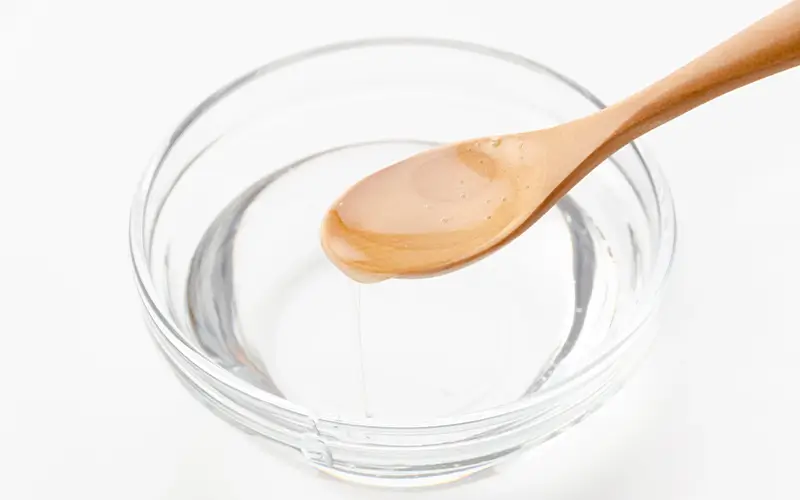
Food decolorization is a critical purification step in the food and beverage industry, aimed at removing unwanted pigments, impurities, and color bodies to achieve product clarity, consistency, and consumer appeal. Activated carbon is a highly effective and widely trusted adsorbent for this process. This page details how specialized food-grade activated carbon selectively removes coloring compounds while preserving essential flavors and nutrients. We will explore its working principles, the optimal product forms for different applications, and practical solutions for refining sugars, oils, beverages, and other ingredients to meet the highest quality standards.

Role of Activated Carbon

In food decolorization, activated carbon functions primarily through physical adsorption. Its extensive network of micropores and mesopores provides a massive surface area that traps and holds complex organic molecules responsible for undesirable colors, such as caramel pigments, melanoidins, and tannins. Beyond color removal, it also adsorbs off-flavors, odors, and trace impurities that can affect product quality and shelf life. The process is selective, targeting the larger, colored molecules while allowing sugars, minerals, and other desired components to pass through, resulting in a clearer, more stable, and aesthetically superior final product.

Related Product Categories

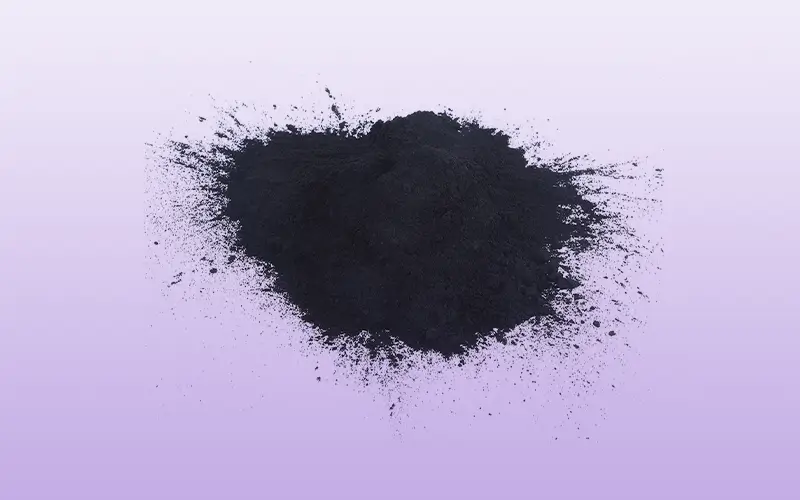
Powdered Activated Carbon (PAC)

The most common choice for batch decolorization processes, offering rapid adsorption and easy dosing for liquids like sugar syrups and juices.
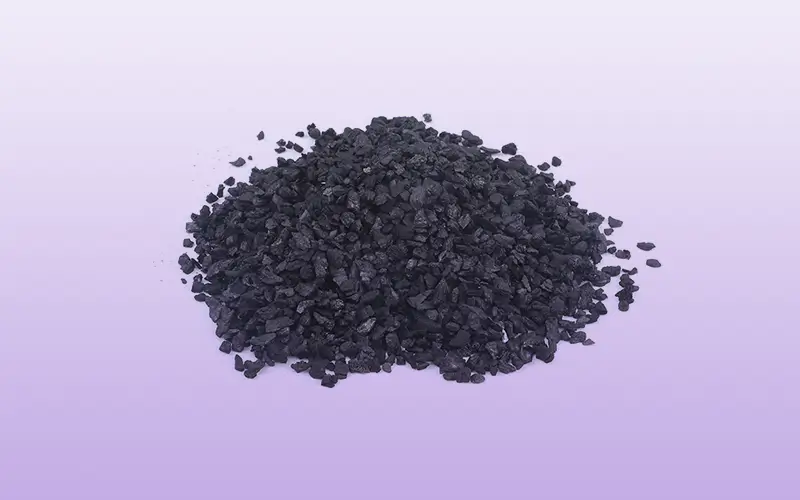
Granular Activated Carbon (GAC)

Used in continuous fixed-bed filtration systems for high-volume operations, such as in edible oil refineries or corn syrup processing.
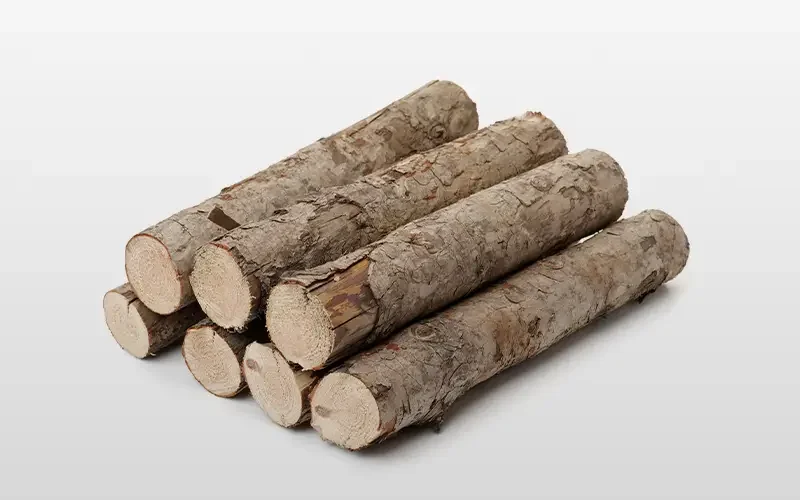
Wood Based Activated Carbon (Decolorizing Carbon)

Specifically manufactured with a pore structure optimized for adsorbing large color molecules, making it highly effective for challenging decolorization tasks.
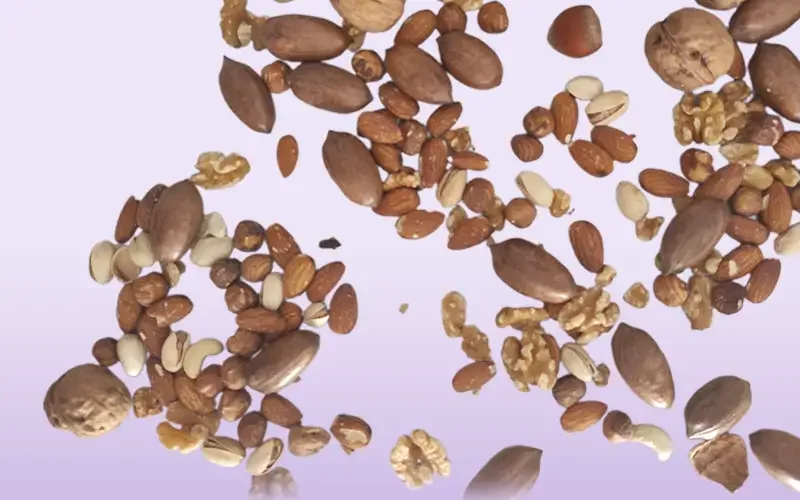
Food-Grade Activated Carbon

All products for this application are produced to meet stringent international food safety and purity standards (e.g., FCC, USP).

Specific Solutions

Sugar & Sweetener Refining

In the production of white sugar, corn syrup, and other sweeteners, activated carbon is indispensable for decolorization. Powdered Activated Carbon (PAC) is typically dosed into the heated syrup. The carbon adsorbs the complex polymeric colorants (like caramels and melanoidins) formed during processing. After a controlled contact time, the carbon, now laden with color bodies, is removed via filtration. This process, often used in combination with ion-exchange resins, transforms brown syrup into a clear, colorless liquid, which is then crystallized to produce the pristine white sugar expected by consumers.

Edible Oil & Fat Processing

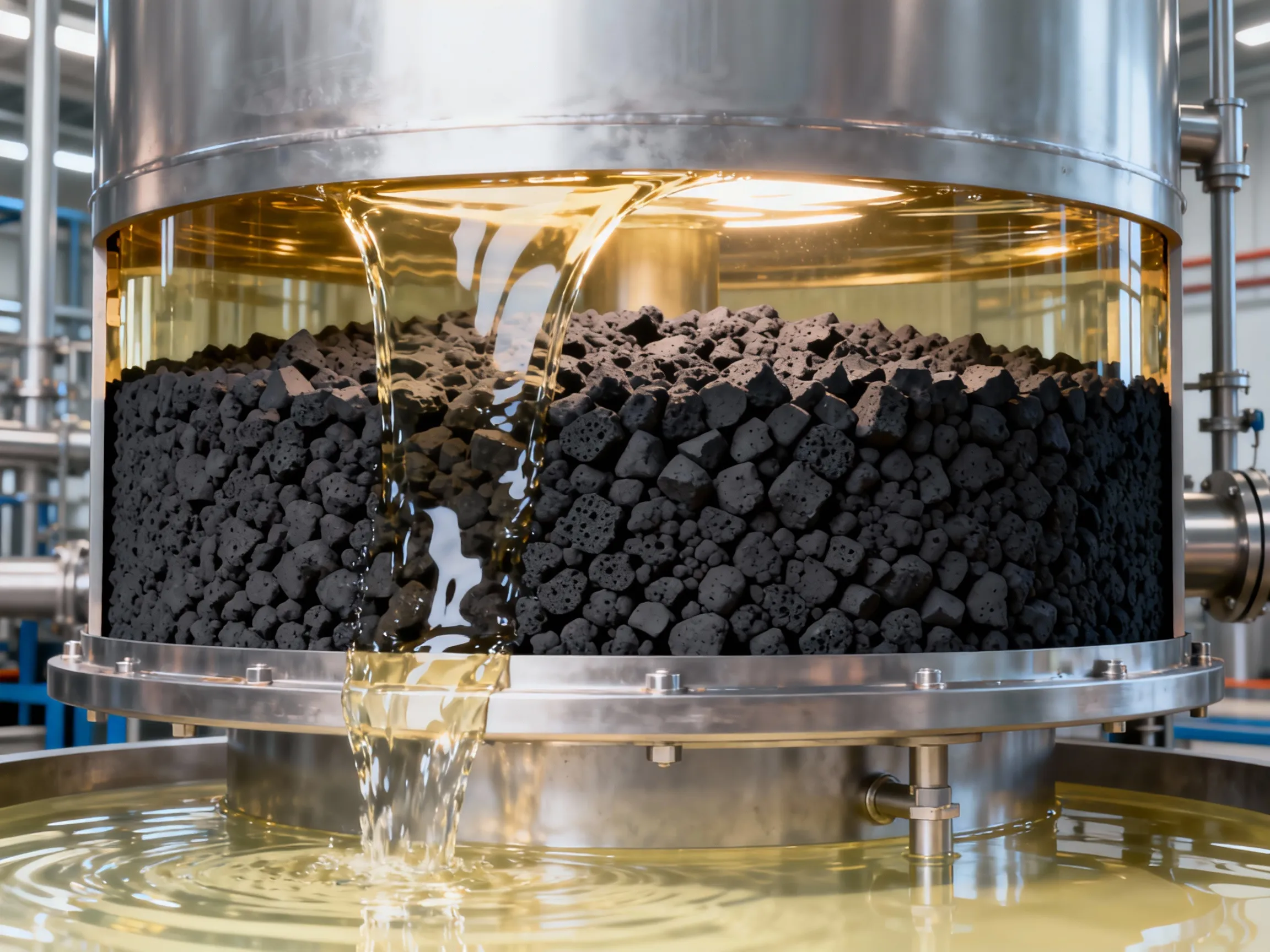
For edible oils (e.g., palm, soybean, coconut) and fats, decolorization is a key step to remove natural pigments (chlorophyll, carotenoids), soap residues, and oxidation products. Granular Activated Carbon (GAC) is frequently used in fixed-bed filters following traditional bleaching clay. The carbon bed provides a final polishing stage, adsorbing trace colorants and contaminants that the clay cannot remove. This solution ensures the oil achieves a light, consistent color and improves its oxidative stability, which is crucial for both appearance and shelf-life in bottled oils and food manufacturing.

Beverage & Juice Clarification

In the beverage industry, activated carbon is used to clarify and decolorize various products, including fruit juices, wine, vinegar, and alcoholic spirits. For juices like apple or pear, PAC can remove brown oxidation pigments and haze-causing compounds. In the production of clear spirits or vinegar, it adsorbs color bodies and congeners that can impart off-flavors. The carbon treatment is carefully controlled to avoid stripping desirable aroma compounds, striking a balance between achieving visual clarity and maintaining the product’s characteristic taste profile.

Why Choose Us

Guaranteed Food-Grade Purity

Our activated carbons are produced under strict protocols and certified to meet global food contact regulations (FCC, EU), ensuring absolute safety.

Superior Decolorizing Performance

We offer wood-based and other carbons with pore structures specifically engineered for high efficiency in removing stubborn food colorants.

Expert Application Guidance

Our technical team provides tailored support on dosage, process integration, and carbon selection to optimize your decolorization results and costs.

Consistent Quality & Reliable Supply

We ensure batch-to-batch consistency in performance and maintain a robust supply chain to support continuous food production.

Scroll to Top

Get Inquiry

Name