Coconut Shell Activated Carbon Manufacturer

  • Inicio /
  • Coconut Shell Activated Carbon Manufacturer

Coconut Shell Activated Carbon Summary

Activated Carbon For Soil Additive

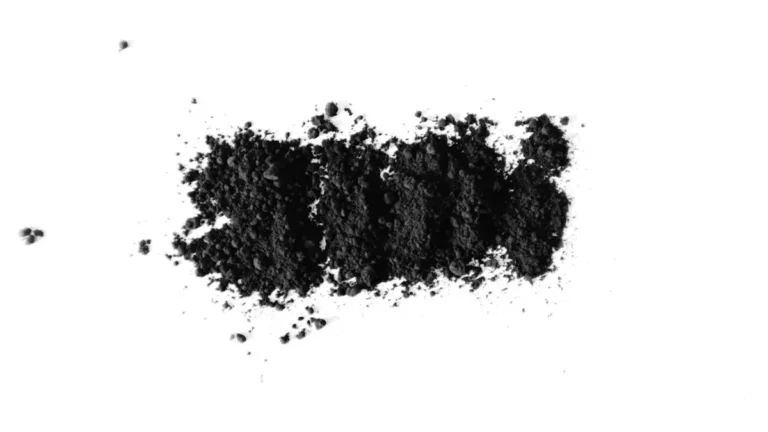
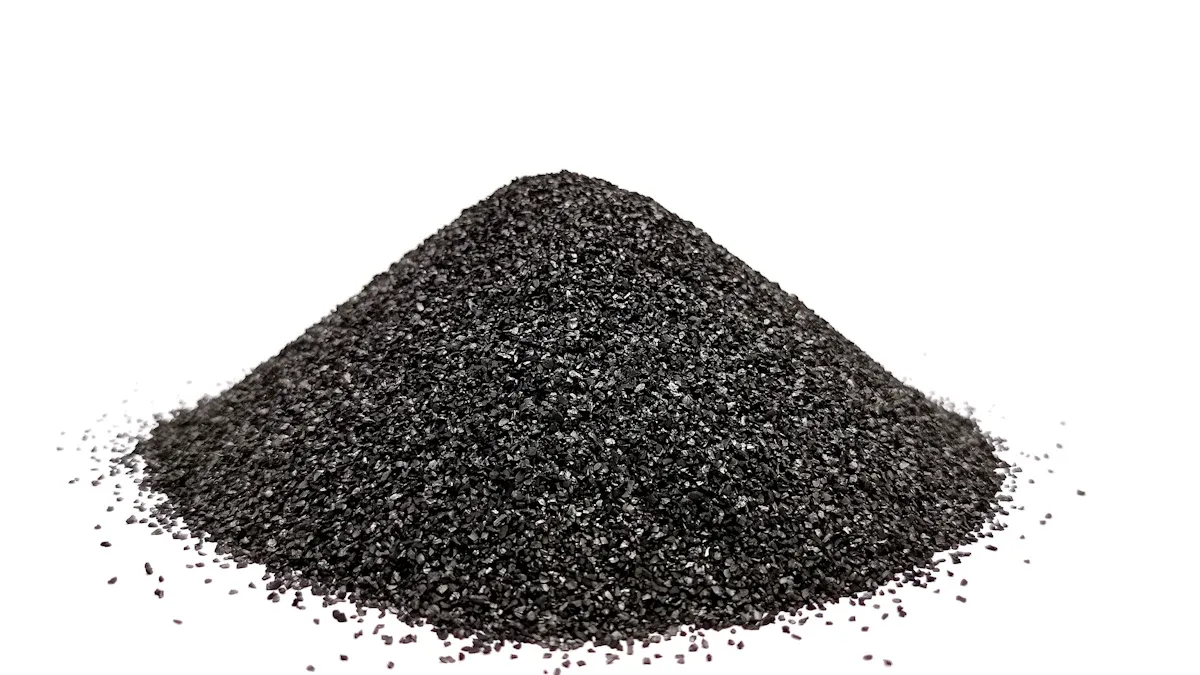
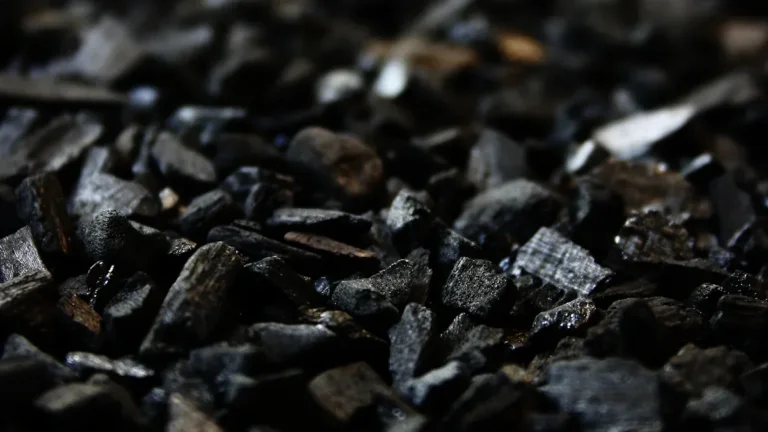
Coconut Shell Activated Carbon is produced through carbonization and activation, developing a micropore-rich structure, high hardness, and strong adsorption capacity. Available in granular, powdered, and customized forms, it is widely used for water purification, wastewater treatment, gold recovery, air filtration, food decolorization, and gas purification.
Dominant Pore StructurePredominantly Microporous (< 2 nm)
Iodine Adsorption Value (mg/g)900−1250
Methylene Blue Adsorption (mg/g)120−180
Ash Content (Ash, %)≤ 3−5%
Mechanical Hardness (Hardness, %)≥ 95−99%
Bulk Density (g/L)480−550
Purity & Heavy Metal RiskUltra-high purity, extremely low heavy metals
Core Application ScenariosDrinking water purification, ultrapure water, gold extraction

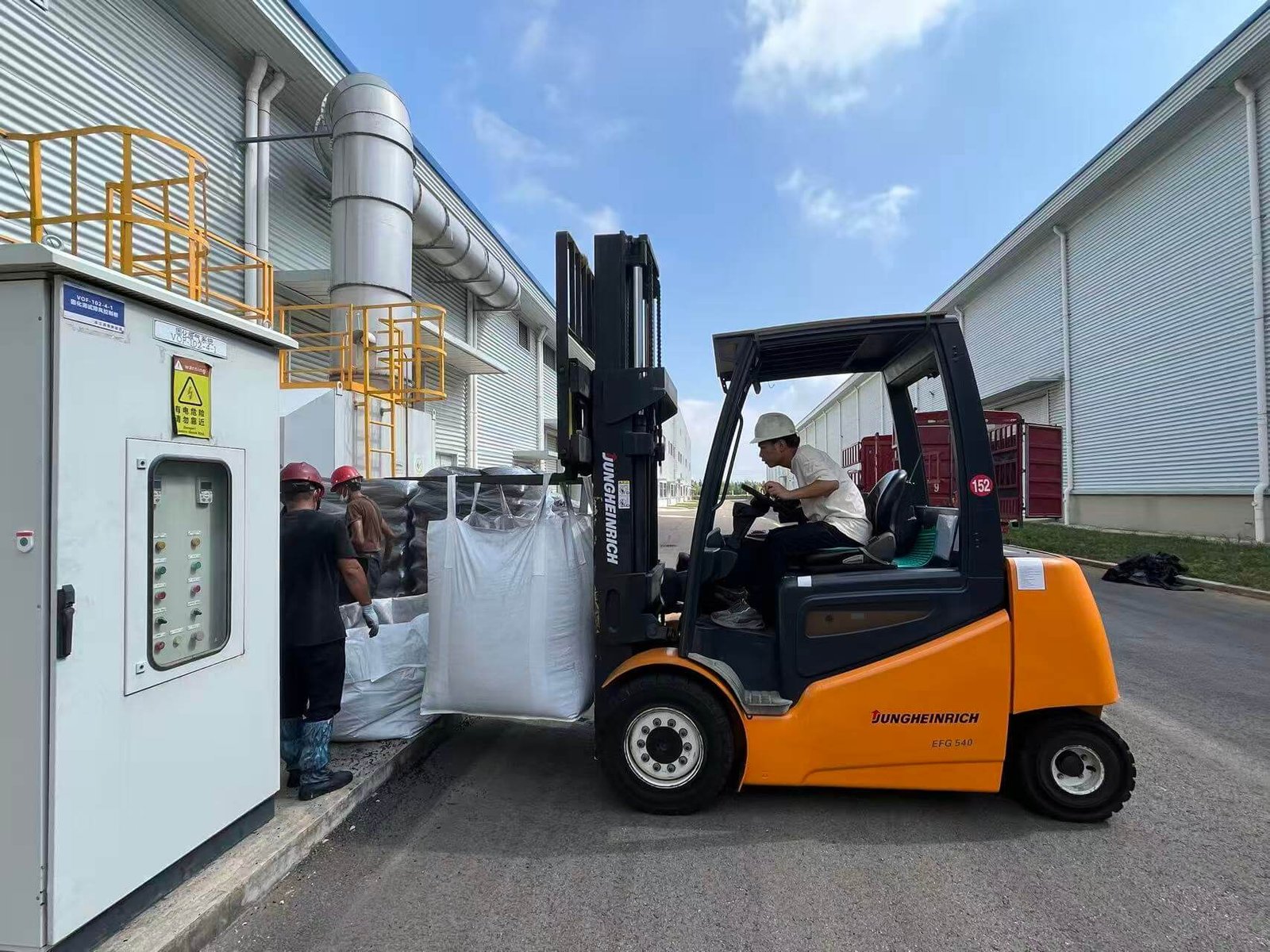
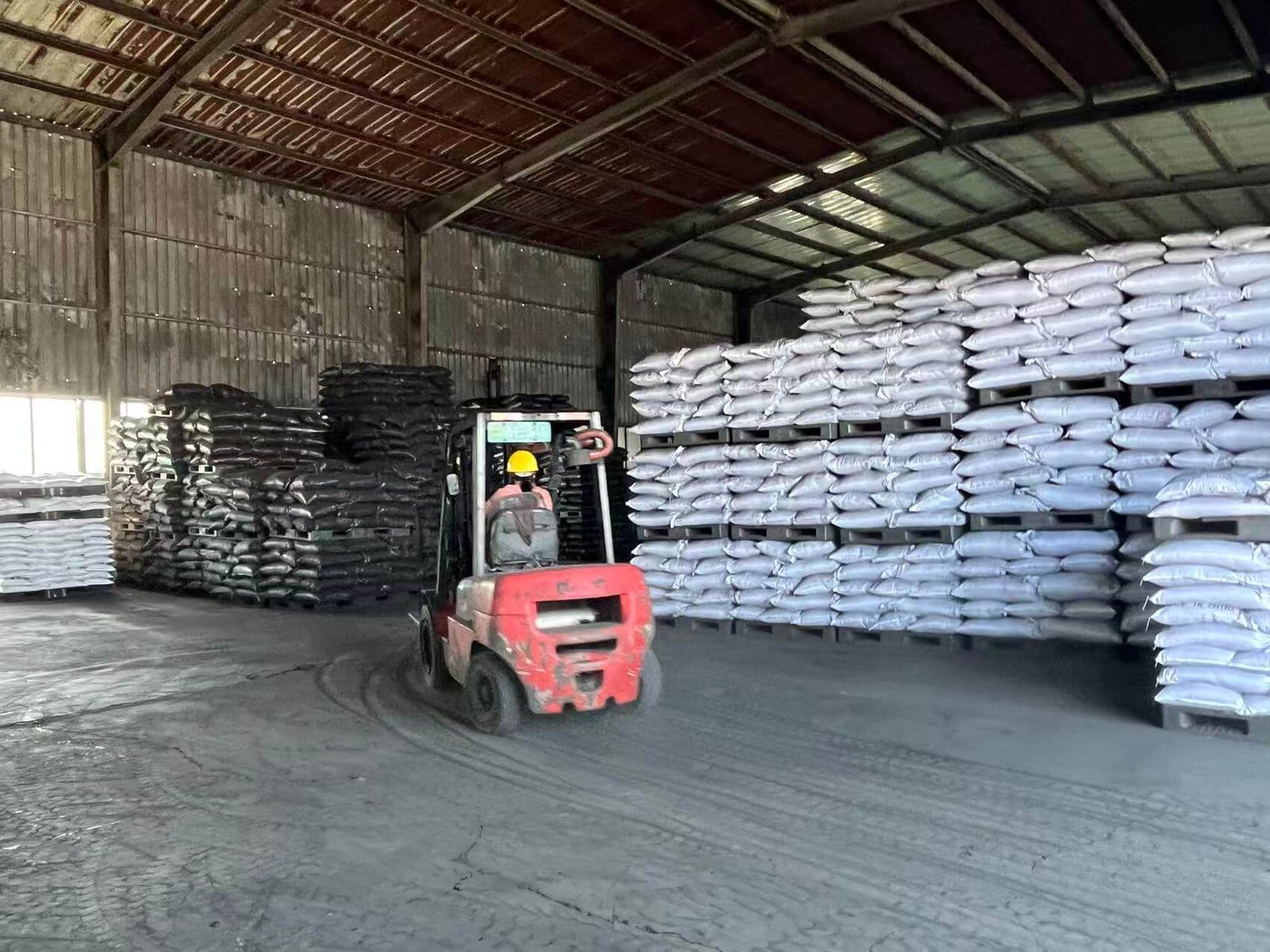
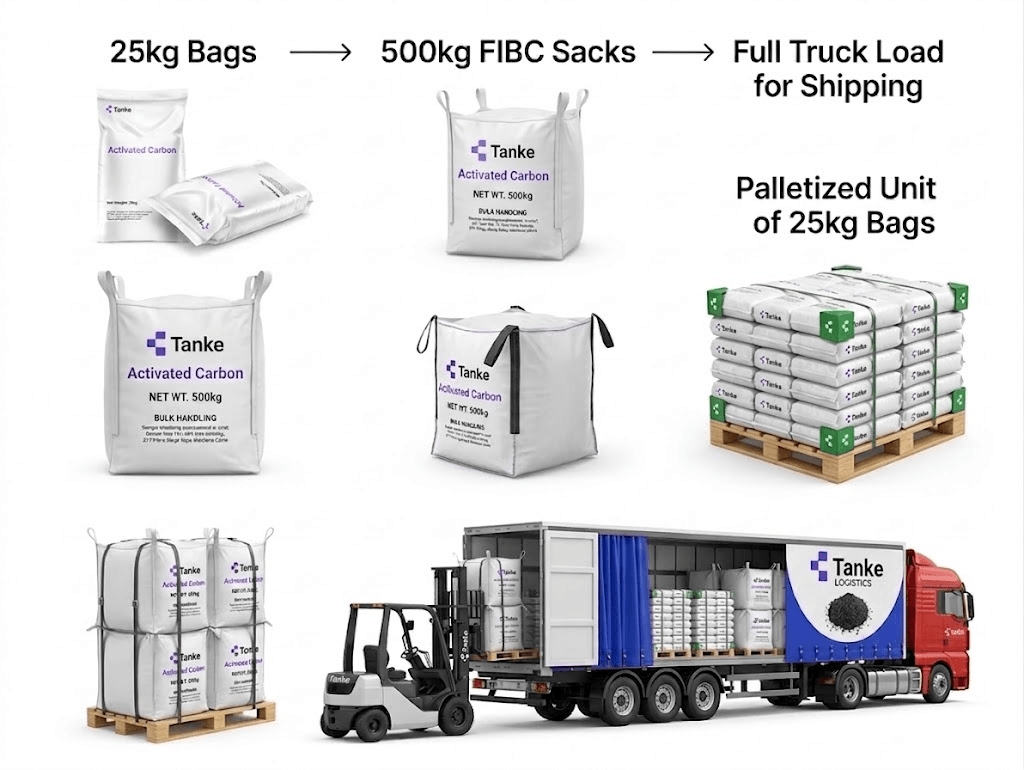
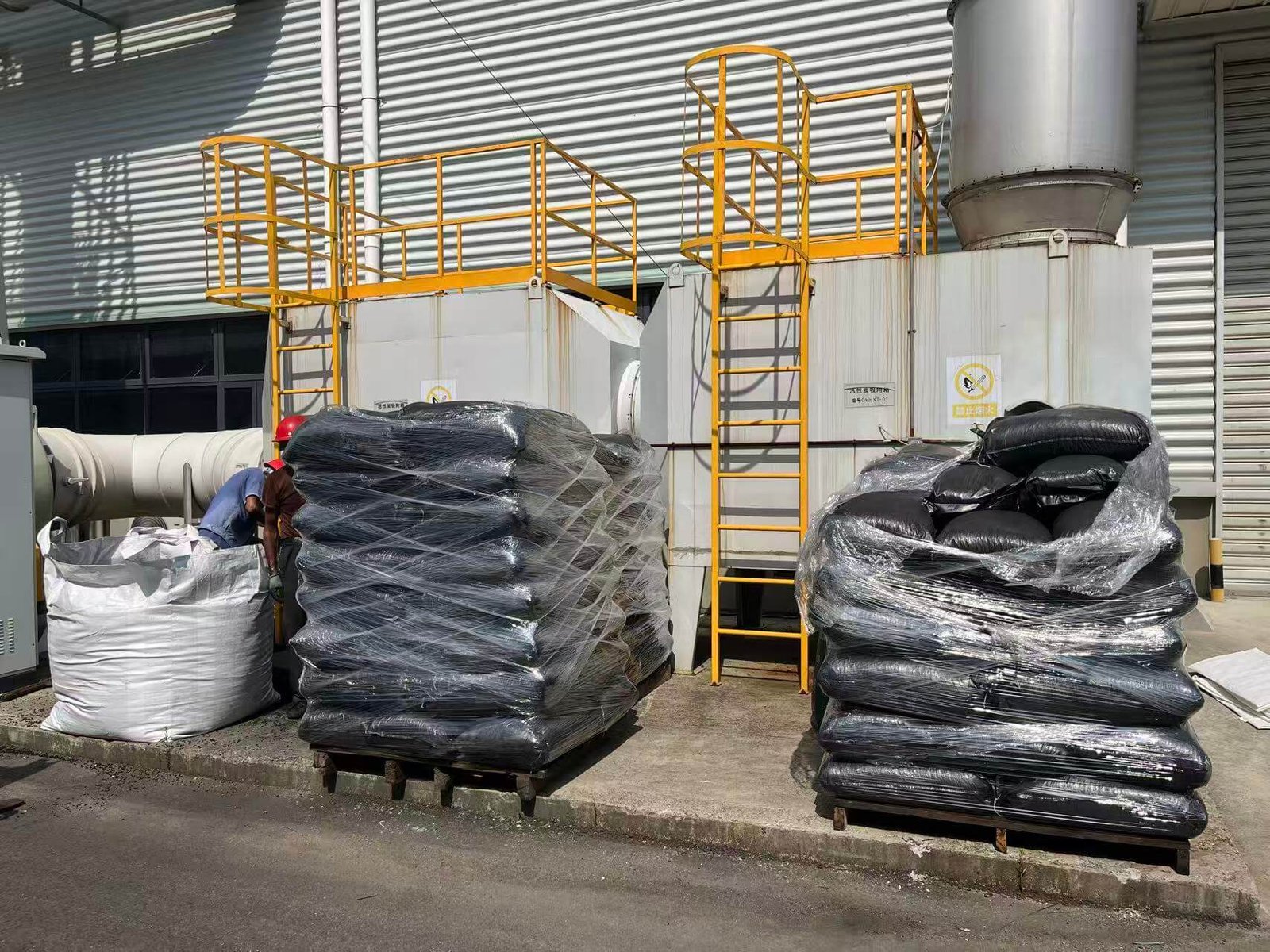
Activated Carbon Packaging and Shipping

  • 25kg/bag
  • 500kg/jumbo bag
  • Package and lable can be customized on clients’ request
  • Provide sea, air and truck delivery
  • Sample delivery method: FedEx

Our Activated Carbon Plant

Why Choose Us

Production

Controlled carbonization and activation processes ensure consistent coconut shell activated carbon pore structure, iodine value, hardness, adsorption performance, and batch quality, supporting reliable purification efficiency across demanding industrial applications.

Sales

We recommend suitable coconut shell activated carbon grades according to application conditions, specifications, contaminant types, pore characteristics, and adsorption targets, ensuring optimized performance for diverse purification and treatment processes.

Service

Our technical team provides expert activated carbon selection, application guidance, testing support, dosage evaluation, and customized performance recommendations to optimize adsorption efficiency for diverse industrial treatment requirements.
Relevant Application Scenarios

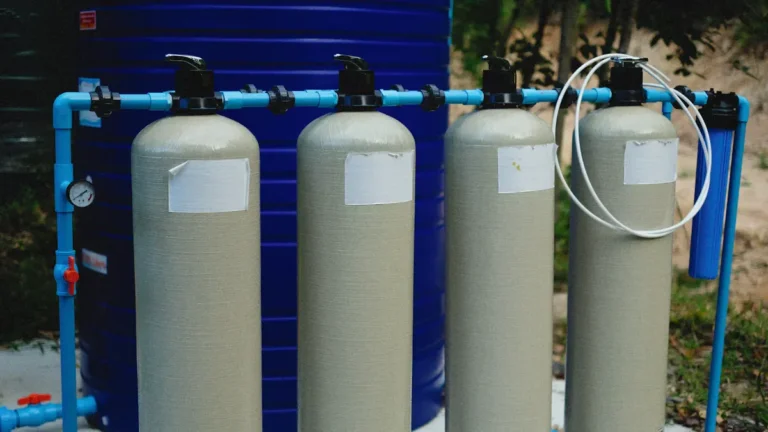
Tratamiento del agua

Purpose of Use: Carbon produced from ground fruit and nut pits used for various removal solutions including:

Adsorption process medium

Industrial processes such as the treatment of process water and wastewater, especially for removal of organic contaminants, chemicals and color

Purification of drinking water by chlorination, and treatment of odor, taste compounds, and synthetic organic chemicals

Pre-treatment for desalination whole process treating organic foulants (including into RO Systems)

Metal Mining

Description:A dense granule classified by the manufacture as having exceptionally strong structural characteristics and resiliency to the challenging environmental conditions found throughout the mining operation while exhibiting great adsorption rates.

Application(s) for Gold Recovery

For the extraction of gold from the cyanide complex components in the pulp and leachate processes (utilizing carbon in these processes).

Air / Gas Treatment

Classification Description: Effective in vapor phase applications where the microporous structure will adsorb gases and odours efficiently.

Air purifying

Removes VOCs and odours in the treatment of air for commercial and industrial premises.

Alimentación y bebidas

Description: GAC decolorizes and purifies food products by removing impurities and off-flavors, maintaining quality and shelf life.

Food Decolorization

It adsorbs unwanted colors and contaminants from syrups and oils, ensuring product clarity.

Food Preservation

GAC helps control odors and spoilage agents, extending the freshness of stored food items.

FAQs

Which activated carbon is suitable for my application?

The right activated carbon depends on the contaminants to be removed, the treatment process, operating conditions, and the required adsorption performance. Different applications may require different carbon types, particle sizes, iodine values, hardness, ash content, or other specifications.

For example, powdered activated carbon is commonly considered for liquid-phase treatment where rapid adsorption and easy dosing are important. Granular activated carbon is often selected for fixed-bed filtration systems, while pelletized carbon can be suitable for gas-phase treatment and applications where controlled airflow and lower pressure drop are important.

If you share your application, target contaminant, treatment process, and operating conditions, we can recommend a suitable activated carbon grade and specification.

Can you provide customized iodine value, CTC, hardness and particle size?

Yes. Activated carbon can be supplied in different grades according to application requirements. Depending on the product type and production conditions, specifications such as iodine value, CTC activity, hardness, particle size, ash content, moisture, and bulk density can be discussed for a specific application.

For particle size, we can provide different mesh ranges or pellet diameters depending on the intended use.

If you already have a technical specification or target parameters, you can send them to us for evaluation. We can then confirm the available grade and provide the corresponding technical data.

Do you provide samples before bulk orders?

Yes. Samples can be provided for customers who need to evaluate activated carbon before placing a larger order.

Sample testing can help you assess important characteristics such as adsorption performance, particle size, moisture, hardness, or compatibility with your existing treatment process.

For application-specific projects, we recommend testing the sample under conditions as close as possible to your actual operating environment. This provides a more meaningful basis for selecting the appropriate grade than comparing specifications alone.

Please contact us with your application details and required specification so we can discuss the appropriate sample.

What packaging options are available for export?

Activated carbon can be packed according to the product type, order quantity, transportation method, and customer's requirements.

Common export packaging options include 20kg、25kg and 500kg bags. Smaller quantities can also be arranged in smaller inner packages when required for sampling or specific applications.

For international shipments, packaging should provide adequate protection against moisture, contamination, and physical damage during handling and transportation.

If you have specific packaging, labeling, or shipping requirements, please provide them when requesting a quotation so we can recommend a suitable packing solution.

How do I compare coconut shell, coal-based and wood-based activated carbon?

Coconut shell activated carbon is widely associated with high microporosity and is often considered for applications requiring adsorption of smaller molecules, including certain water treatment and gold recovery applications.

Coal-based activated carbon offers a broader pore structure and can be produced in different forms and grades. It is commonly used across water treatment, industrial purification, and other adsorption processes.

Wood-based activated carbon is often characterized by a relatively developed mesoporous structure and is frequently considered for applications such as color removal, decolorization, and adsorption of larger organic molecules.

When comparing activated carbons, it is better to evaluate the complete specification—including pore structure, iodine value, CTC, hardness, ash, particle size, and application-specific adsorption performance—rather than selecting a raw material based on its name alone.

Blog relacionado

Coconut Shell Based Activated Carbon uses
Seguir leyendo
What Makes Coconut Shell Based Activated Carbon So Beneficial
Seguir leyendo
How Coconut Shell Based Activated Carbon Improves Water and Air Quality
Seguir leyendo
Scroll al inicio

Solicitar información

Nombre