
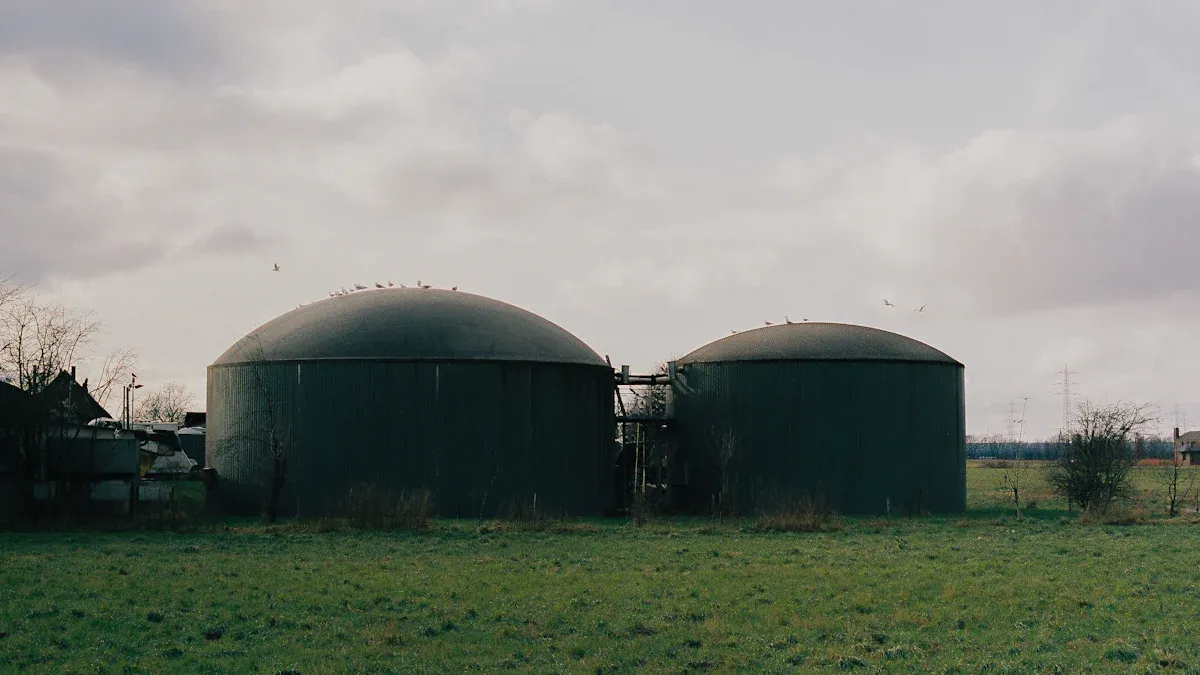
You use Biogas Activated Carbon to clean your biogas. This material traps hydrogen sulfide, ammonia, VOCs, siloxanes, and odors. You protect your equipment from damage. You also improve the quality of your biogas. Cleaner biogas means safer operation and higher energy value.
الوجبات الرئيسية
Activated carbon effectively removes harmful contaminants like hydrogen sulfide and siloxanes from biogas, improving its quality and safety.
Regular monitoring and timely replacement of activated carbon filters are crucial for maintaining system efficiency and preventing equipment damage.
Choosing the right type of activated carbon based on your specific needs can enhance purification performance and reduce maintenance costs.
Biogas Purification Needs
الملوثات الشائعة
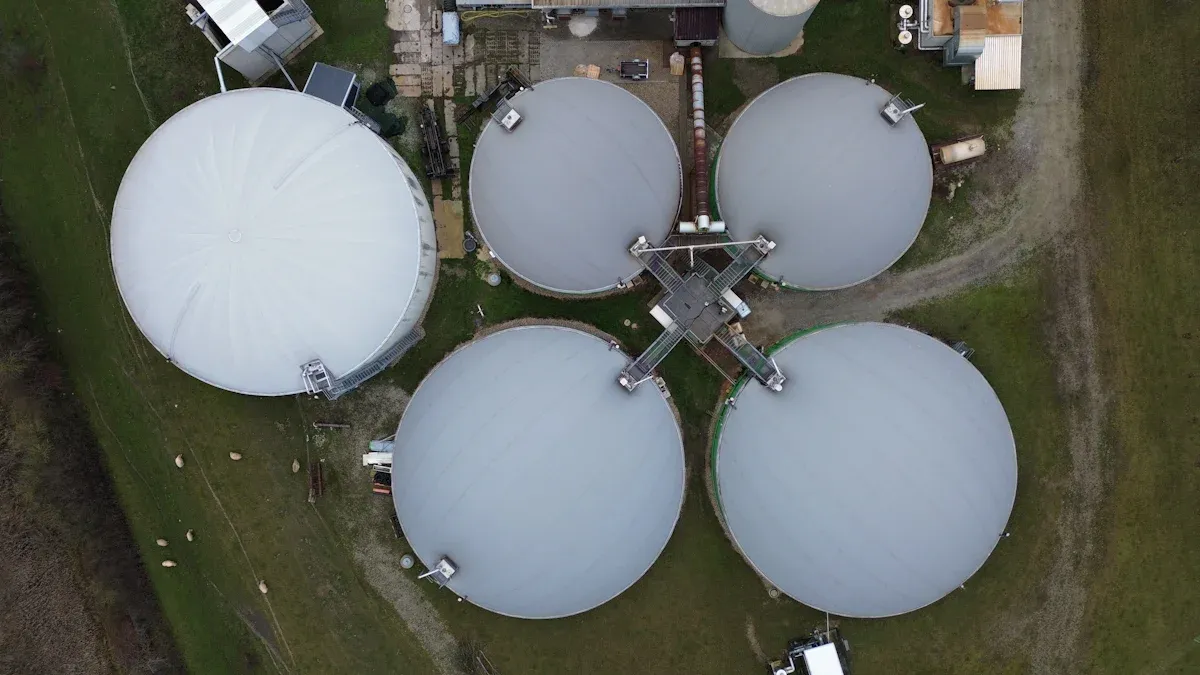
You often find several contaminants in raw biogas that can harm your system and lower energy quality. These impurities come from sources like landfills, wastewater treatment plants, and food processing facilities. The most common contaminants include:
Hydrogen sulfide (H₂S)
Ammonia (NH₃)
السيلوكسانات
Volatile organic compounds (VOCs)
Water vapor
Nitrogen
Oxygen
Particulates
These substances enter biogas during the breakdown of organic matter. For example, wastewater treatment plants and landfills produce gas with high levels of hydrogen sulfide and siloxanes. You need to remove these contaminants to make biogas safe and efficient for use.
Here is a table showing the typical concentration ranges of key contaminants in untreated biogas:
مركب | Typical Concentration Range |
|---|---|
كبريتيد الهيدروجين | Trace levels |
الأمونيا | Trace levels |
Volatile Organic Compounds (VOCs) | Trace levels |
السيلوكسانات | Trace levels |
Contaminant Effects
Contaminants in biogas can cause serious problems for your equipment and the environment. Hydrogen sulfide can corrode metal parts and pipes. Siloxanes form hard deposits that damage engines and reduce their lifespan. Ammonia and VOCs add to the complexity of purification and can create unpleasant odors.
Hydrogen sulfide is the main impurity in biogas. It can corrode engines and metal piping. Siloxanes can turn into crystals that scratch and wear down gas engines.
You use Biogas Activated Carbon to trap these harmful substances. This step protects your equipment and helps you produce cleaner, safer biogas.
Biogas Activated Carbon Purification
Removal Mechanism
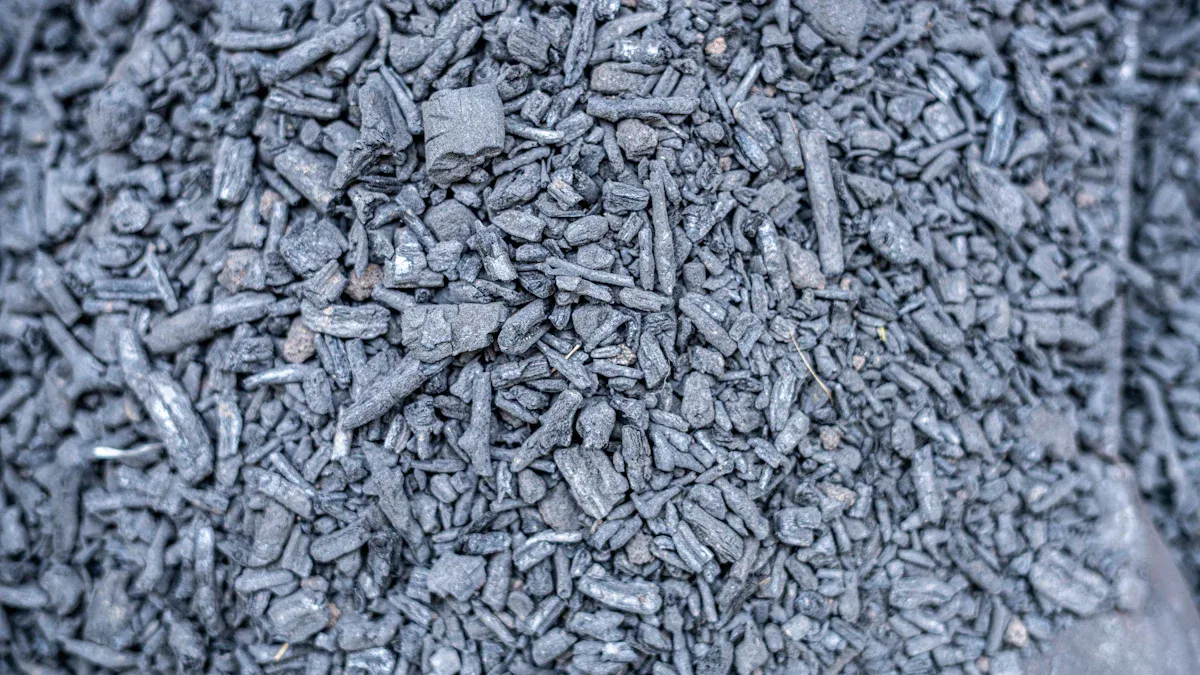
You rely on Biogas Activated Carbon to clean your biogas because of its unique structure. This material has a huge surface area, often between 500 and 1500 square meters per gram. When biogas passes through a filter packed with activated carbon, the contaminants stick to the carbon’s surface and fill its tiny pores. This process is called adsorption.
Activated carbon removes hydrogen sulfide, ammonia, VOCs, siloxanes, and odors in two main ways:
Physical adsorption: The carbon’s surface attracts and holds contaminant molecules, like hydrogen sulfide, through weak forces.
الامتزاز الكيميائي: Some types of activated carbon are treated with chemicals. These chemicals react with hydrogen sulfide and change it into stable compounds that stay trapped in the carbon.
The size and shape of the pores in Biogas Activated Carbon help trap even the smallest contaminant molecules. A high number of micropores and mesopores means better removal of hydrogen sulfide and other gases.
You can see how well activated carbon works by looking at its adsorption capacity. For example, under the right conditions, activated carbon can remove over 98% of hydrogen sulfide from biogas. The breakthrough point, when the filter starts letting contaminants through, helps you know when to replace the carbon.
الملوثات | قدرة الامتزاز (ملغم/غم) | كفاءة الإزالة |
|---|---|---|
H2S | ~98.0 | Over 98% |
Types of Activated Carbon
You can choose from several types of activated carbon for biogas purification. Each type has its own strengths:
نوع الكربون النشط | المزايا |
|---|---|
الكربون المنشط الحبيبي (GAC) | Versatile, strong, easy to regenerate, and cost-effective |
الكربون المنشط المبثوق (EAC) | Good flow, low dust, strong, and packs evenly |
Metal-Impregnated Activated Carbon | Excellent for removing hydrogen sulfide and VOCs |
Granular Activated Carbon is the most common choice for biogas systems. You get a good balance of cost, strength, and service life. Extruded Activated Carbon works well when you need smooth gas flow and less dust. Metal-impregnated carbon is best when you want to target hydrogen sulfide and other tough contaminants.
Tip: Pick the type of Biogas Activated Carbon that matches your system’s needs and the contaminants you want to remove.
Targeted Contaminants
You use Biogas Activated Carbon to target the most harmful substances in your biogas. The main contaminants removed include:
Hydrogen sulfide (H₂S)
Volatile organic compounds (VOCs)
السيلوكسانات
الأمونيا
Odors
Hydrogen sulfide is the easiest and most important contaminant to remove with activated carbon. You can achieve over 98% removal efficiency for H₂S. The carbon also helps reduce VOCs, siloxanes, and ammonia, though the removal rates for these may vary depending on the carbon type and system setup.
Biogas Activated Carbon works best for small-scale systems or when you have low concentrations of hydrogen sulfide. It is simple to use and cost-effective compared to other methods like chemical scrubbers.
You should remember that the effectiveness of Biogas Activated Carbon depends on the surface area, pore size, and the type of carbon you use. Regular monitoring and timely replacement keep your system running smoothly and your biogas clean.
Application and Maintenance
خطوات التثبيت
You start by choosing the right activated carbon for your biogas system. Potassium iodide impregnated carbon works well for removing hydrogen sulfide. Next, size the filter to match your gas flow and contaminant levels. Set up two filters in series so you can keep the system running during maintenance. Place the filter after the digester and before the gas reaches engines. Check all joints and pipes for leaks. Secure every connection to prevent gas loss.
Select the best activated carbon for your needs.
Size the filter for your biogas flow.
Arrange two filters for continuous operation.
Install the filter in the gas line after the digester.
Inspect and secure all connections.
التشغيل والمراقبة
You control the flow rate, temperature, and humidity to get the best performance from Biogas Activated Carbon. High humidity can lower removal efficiency. Use gas sensors to check for hydrogen sulfide after the filter. Electrical resistance measurements help track saturation in the carbon bed. You can use a static batch system or a continuous flow column to monitor filter effectiveness.
تقنية المراقبة | المزايا | العيوب |
|---|---|---|
Static Batch System | Reduces gas concentration fluctuations | Needs adjustments for reliability |
Continuous Flow Column | Allows long-term analysis | High cost, sensitive to gas concentration |
Tip: Test the gas often and change filters when needed.
Maintenance Tips
You replace or reactivate the filter when you detect hydrogen sulfide breakthrough or odors. If the filter feels heavy, it has absorbed water and pollutants. Change filters after the recommended service life, which ranges from three months to one year for air applications. Use pre-filters to catch dirt before the main filter. Always wear gloves, goggles, and a mask when handling filters. Work in a well-ventilated area and store activated carbon away from heat and chemicals.
الحالة | الإجراء |
|---|---|
H₂S breakthrough | استبدل الفلتر أو أعد تنشيطه |
ظهور الرائحة مرة أخرى | Check and change filter |
زيادة الوزن | Change filter |
انتهاء الصلاحية | Change filter |
If you notice a strong smell, check the filter first. Inspect for leaks if problems continue.
You improve biogas quality and protect your equipment when you use activated carbon. Removing hydrogen sulfide and siloxanes lowers maintenance costs and extends equipment life. Regular monitoring keeps your system efficient.
المصدر | Payback Period | الملاحظات |
|---|---|---|
SSGASLAB | Retrofit PSA plants, methane recovery |
الأسئلة الشائعة
How often should you replace activated carbon filters?
You should check filters every month. Replace them when you notice odors or hydrogen sulfide. Most filters last three to twelve months.
Can you reuse activated carbon after saturation?
You cannot reuse most activated carbon. Some types allow reactivation, but you need special equipment. Always follow safety guidelines.
What happens if you ignore filter maintenance?
You risk equipment damage and poor biogas quality. Regular maintenance keeps your system safe and efficient.