

Soil Additive Activated Carbon

Scene Details

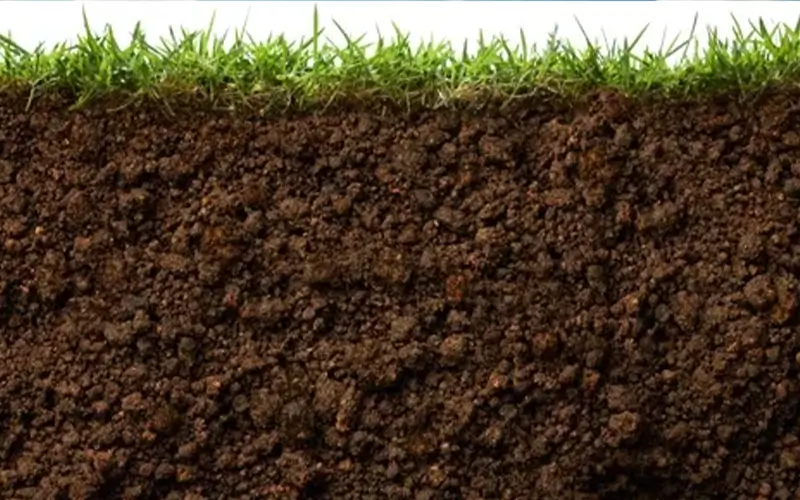
Activated carbon is emerging as a powerful and versatile soil additive, moving beyond traditional industrial applications to directly benefit agriculture, horticulture, and environmental remediation. This page details how this high-carbon material can transform soil health, enhance plant growth, and clean contaminated land. We will explore its multifunctional role in improving soil structure, adsorbing harmful chemicals, and supporting beneficial microbial life. This overview provides insights into practical applications for boosting crop yields, revitalizing degraded soils, and creating healthier growing media for sustainable land management.

Role of Activated Carbon

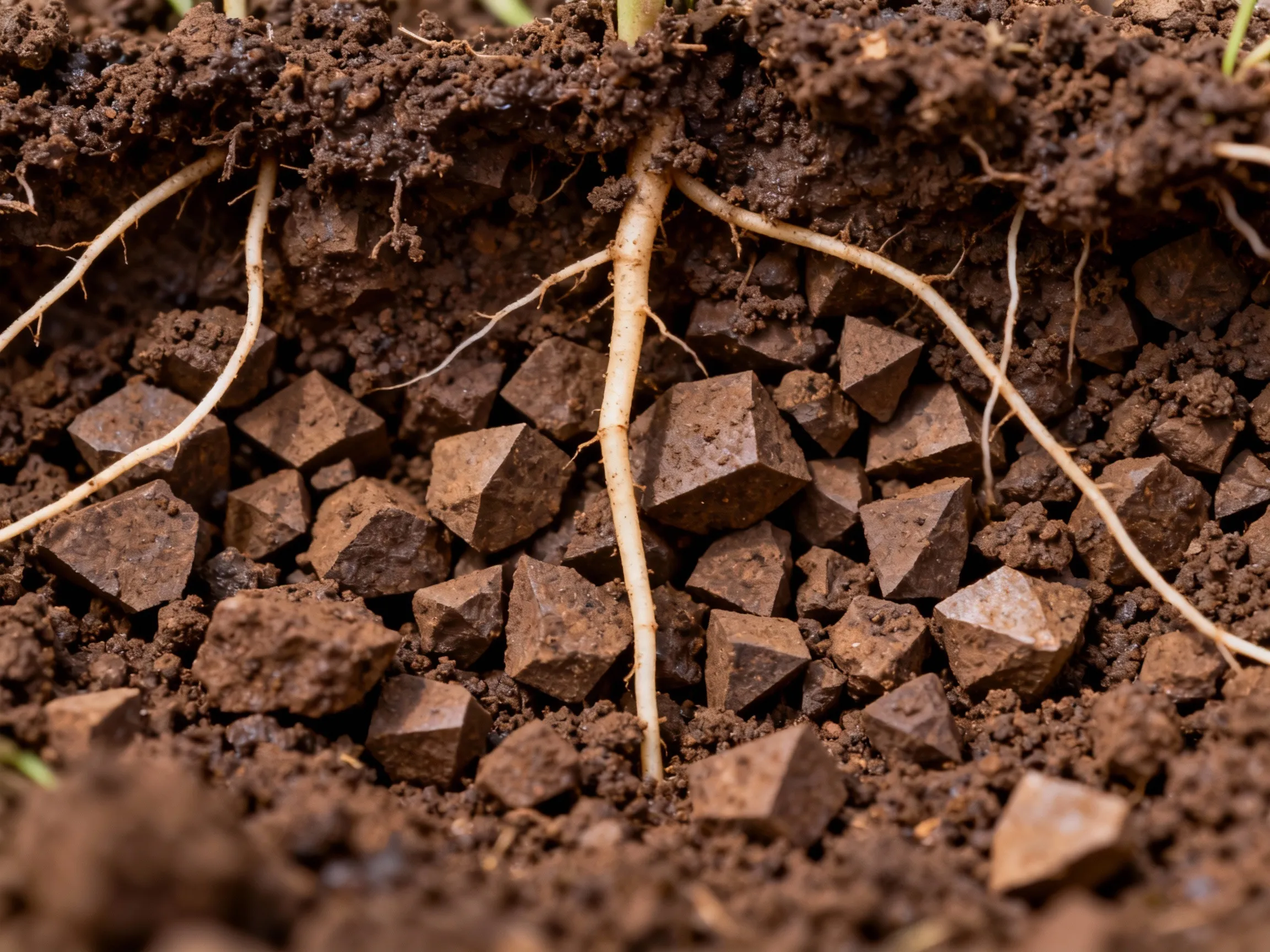
As a soil additive, activated carbon functions primarily as a powerful adsorbent and a soil conditioner. Its highly porous structure provides an immense surface area to bind and sequester a wide range of soil pollutants, including pesticide residues, toxic organic chemicals, and heavy metals, reducing their bioavailability to plants. Simultaneously, it improves soil aeration and water retention, creating a more favorable physical environment for root growth. Furthermore, it can act as a stable carbon source and habitat for beneficial soil microbes, potentially enhancing nutrient cycling and overall soil fertility, leading to healthier, more resilient plants.

Related Product Categories

Coconut Shell Based Activated Carbon

A preferred choice for agriculture due to its high purity, low ash content, and renewable origin, ideal for mixing into soil.
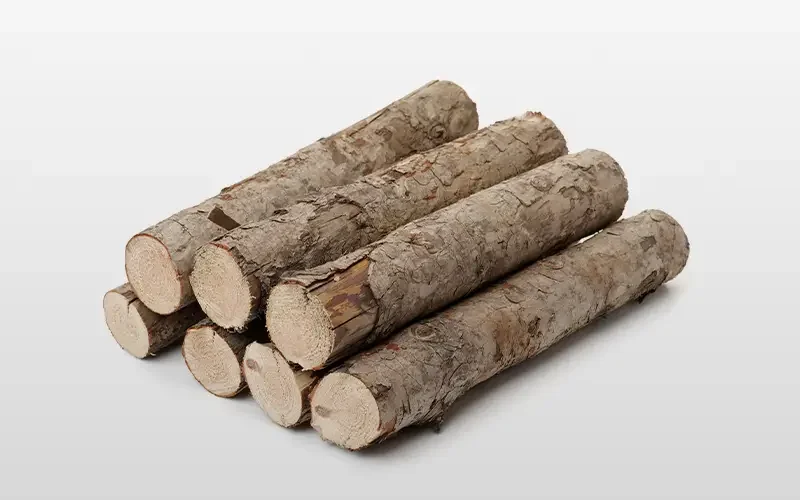
Wood Based Powdered Activated Carbon

Offers a porous structure that benefits water retention and microbial habitats, suitable for potting mixes and horticulture.

Powdered Activated Carbon (PAC)

Allows for rapid, uniform dispersion throughout soil to quickly address contamination or integrate into commercial growing media.
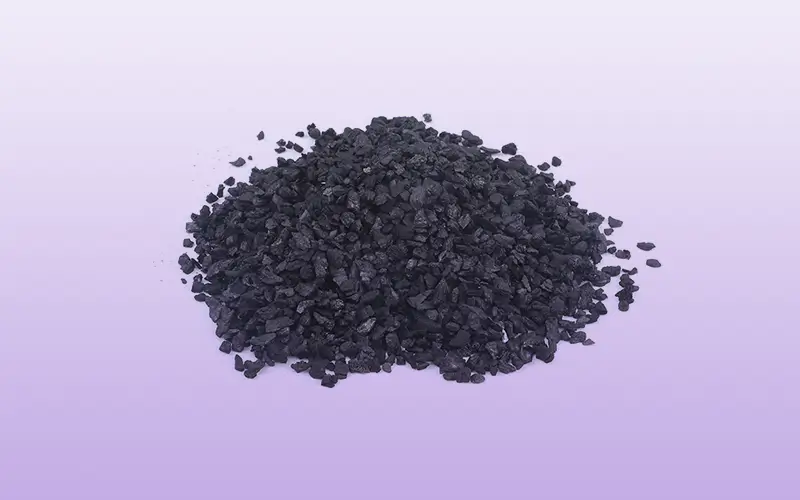
Granular Activated Carbon (GAC)

Provides long-lasting structure and adsorption capacity in soil, used in larger-scale remediation and perennial crop applications.
Specific Solutions

Agricultural Soil Amendment & Crop Protection

In agriculture, granular activated carbon is incorporated into soil to protect crops from herbicide carryover and soil-borne pathogens. When applied at seeding or planting, it adsorbs residual herbicides like sulfonylureas or certain fungicides, preventing them from damaging sensitive crops in rotation. This “herbicide safener” effect allows for greater crop flexibility. Additionally, by adsorbing allelochemicals (natural plant toxins) and some fungal toxins, it can reduce soil sickness and promote healthier root development, leading to more robust plant growth and potentially higher yields.

Contaminated Land & Brownfield Remediation

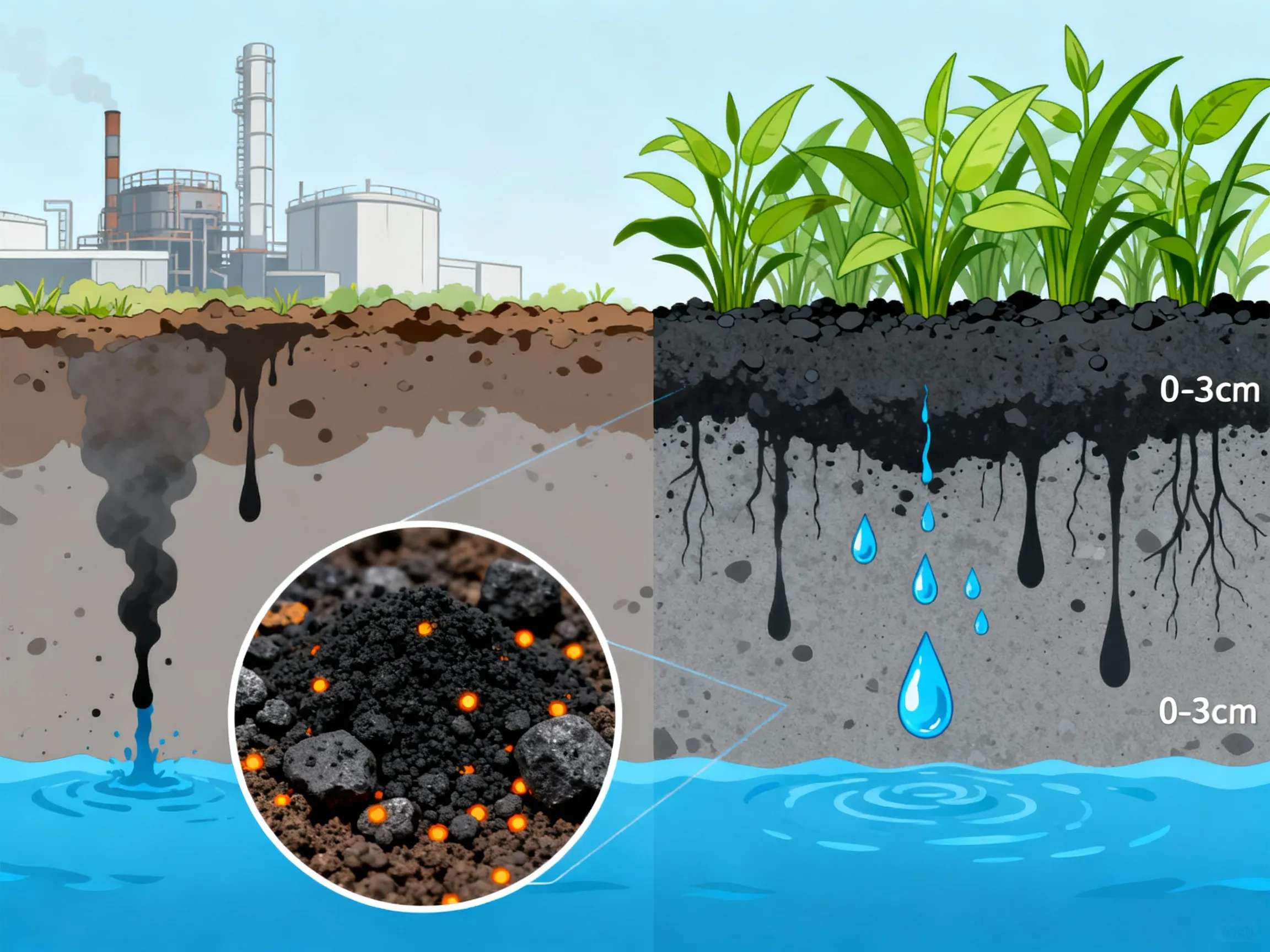
For the remediation of industrially contaminated land (brownfields), activated carbon is used as an in-situ amendment to immobilize pollutants. Powdered or granular carbon is thoroughly mixed into the topsoil to adsorb organic contaminants such as polycyclic aromatic hydrocarbons (PAHs), polychlorinated biphenyls (PCBs), and pesticides. By locking these toxins onto its surface, activated carbon significantly reduces their leaching into groundwater and their uptake by plants. This cost-effective solution stabilizes the contamination, reduces ecological risk, and can pave the way for safe redevelopment or restoration of the land.

Horticulture & Specialized Growing Media

In horticulture, greenhouse production, and for high-value crops, powdered or fine-grained activated carbon is blended into potting soils, container mixes, and hydroponic substrates. It serves multiple functions: it adsorbs organic acids and phytotoxins that can build up in closed systems, purifies recycled irrigation water, and helps suppress root diseases. By creating a cleaner root zone and improving substrate properties, it promotes stronger seedling growth, reduces plant stress, and enhances the overall quality and consistency of ornamental plants, vegetables, and nursery stock.

Why Choose Us

Pure, Soil-Safe Products

Our agricultural-grade carbons are selected for low conductivity and minimal leachable impurities, ensuring they improve rather than harm soil chemistry.

Technical Expertise in Agronomy & Remediation

We provide application-specific guidance on carbon type, particle size, and incorporation rates to achieve your soil health goals.

Proven Contaminant Adsorption

Our carbons have validated efficacy against a broad spectrum of common soil pollutants, from agricultural chemicals to industrial hydrocarbons.

Sustainable & Reliable Supply

We offer consistent quality from renewable sources, supporting long-term soil management and sustainable farming practices.

Scroll to Top

Get Inquiry

Name