

You can use Medical Activated Carbon in many ways to protect your health. Doctors often give it in emergency rooms for poisoning or overdose. Studies show that hospitals treated over 400 patients with activated charcoal, and it helped reduce the need for ICU care. You may also see it used for digestive problems or to help remove toxins from the blood. Its power comes from adsorbing harmful substances quickly, making it most effective when given soon after exposure.
Hospitals use activated charcoal in different forms:
31% use both types
52% use only charcoal without sorbitol
Key Takeaways
Activated carbon is crucial in emergency rooms for treating poisonings and overdoses. It works best when administered within one hour of exposure.
This carbon traps toxins in the digestive system, preventing them from entering the bloodstream. It does not absorb into the body.
Activated carbon can help with digestive issues like gas and diarrhea, but it is not a cure for all stomach problems. Consult a doctor before use.
Not all poisons are treated by activated carbon. It does not work on alcohols, metals, or strong acids. Always seek medical advice for poisoning.
Common side effects include constipation and black stools. Drink plenty of fluids to help prevent these issues.
Medical Activated Carbon: How It Works
Adsorption Mechanism in the Body
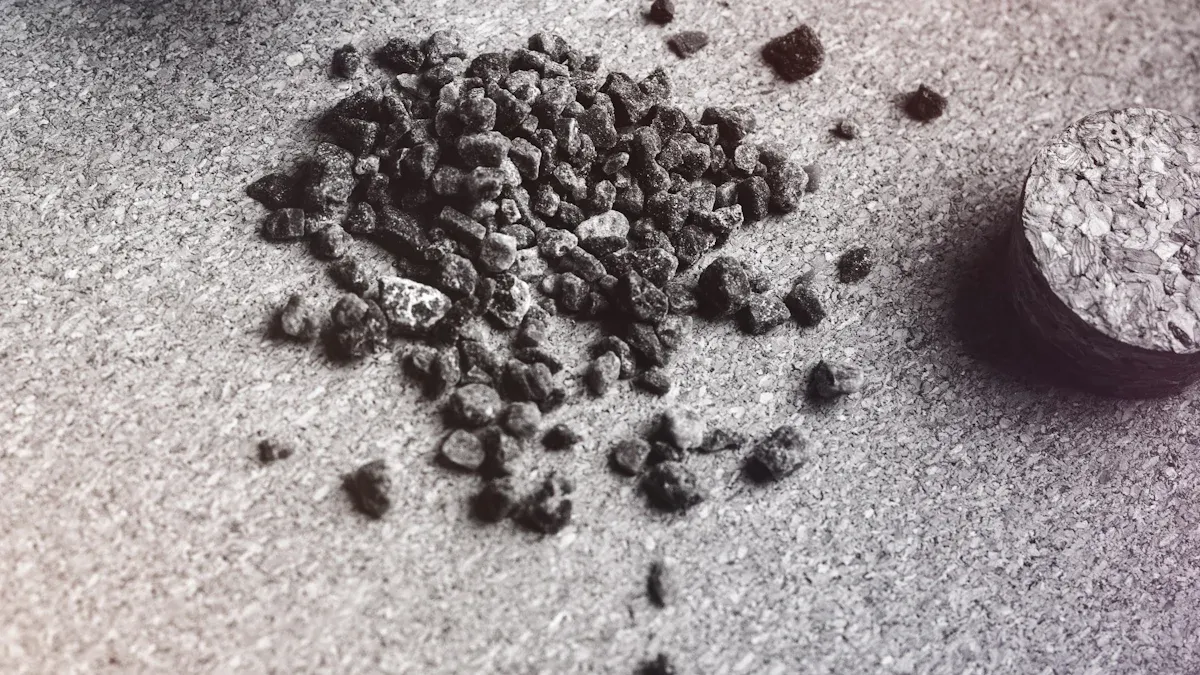
When you take Medical Activated Carbon, it works inside your digestive system. This special carbon has a huge surface area because of its many tiny holes and pores. These features let it trap toxins and chemicals that might harm you. The process is called adsorption. It means the toxins stick to the surface of the carbon instead of getting absorbed into your blood.
Medical Activated Carbon does not enter your bloodstream. It stays in your gut and binds to harmful substances, so your body cannot absorb them.
The carbon also has a negative electrical charge. Many toxins have a positive charge. This difference helps the carbon attract and hold onto the toxins even better. You can see some of the important properties in the table below:
Property | Description |
|---|---|
Surface Area | Large surface area (over 1000 m²/g) helps trap more toxins. |
Porous Structure | Many tiny holes catch and hold different chemicals. |
Chemical Inertness | Does not react with toxins, only traps them. |
Mechanism | Binds toxins in the gut, stops them from entering your bloodstream. |
Medical Activated Carbon is made by burning carbon-rich materials at high temperatures. This process creates the pores and increases its ability to adsorb toxins.
Why Medical Activated Carbon Is Used
You might wonder why doctors choose Medical Activated Carbon for certain health problems. It is most useful for emergencies when someone swallows a poison or overdoses on medicine. If you take it soon after swallowing something harmful, it can stop your body from absorbing the toxin.
You may also see it used for other reasons:
Gastrointestinal decontamination: It reduces how much poison your body absorbs.
Symptomatic therapy: It can help with diarrhea by trapping harmful substances in your gut.
Chronic kidney disease: It helps remove waste products from your body, making dialysis work better.
Researchers keep finding new ways to use Medical Activated Carbon. For example, new drug delivery systems use it to control how fast medicine is released in your body. Some studies show that it can help lower side effects and improve how well treatments work.
Poisoning and Overdose Treatment
Administration and Timing
You may see Medical Activated Carbon used in emergency rooms when someone swallows a dangerous substance. Doctors follow strict guidelines to keep you safe. Before giving you activated carbon, they check your airway and make sure you are alert and able to swallow. If you are not awake or cannot protect your airway, you should not take activated carbon because you could inhale it into your lungs.
Timing matters most. Activated carbon works best when you take it within one hour after swallowing a poison or overdose. The sooner you get it, the more toxins it can trap. Doctors use standard dosing protocols. Adults usually receive 25-100 grams by mouth, with 50 grams as the common dose. Children get 0.5-1 gram per kilogram of body weight.
Patient Group | |
|---|---|
Adult | 25-100 gm PO; Common standard dose is 50 gm; Administer in a 1:8 ratio of activated charcoal to liquid if not pre-mixed |
Pediatric | 0.5-1 gm/kg PO |
You may notice that some activated carbon contains sorbitol. Sorbitol acts as a laxative and helps move the carbon through your digestive system. Doctors monitor you for any side effects during treatment.
The effectiveness of activated carbon drops as time passes. The tables below show how quickly its power fades:
Time Post-Ingestion | Efficacy of Activated Charcoal (%) |
|---|---|
0-60 min | High |
60-120 min | Moderate |
> 120 min | Low |
Time Post-Ingestion | Mean Reduction of Absorption (%) |
|---|---|
30 min | 52% |
60 min | 38% |
120 min | 34% |
180 min | 21% |
360 min | 14% |
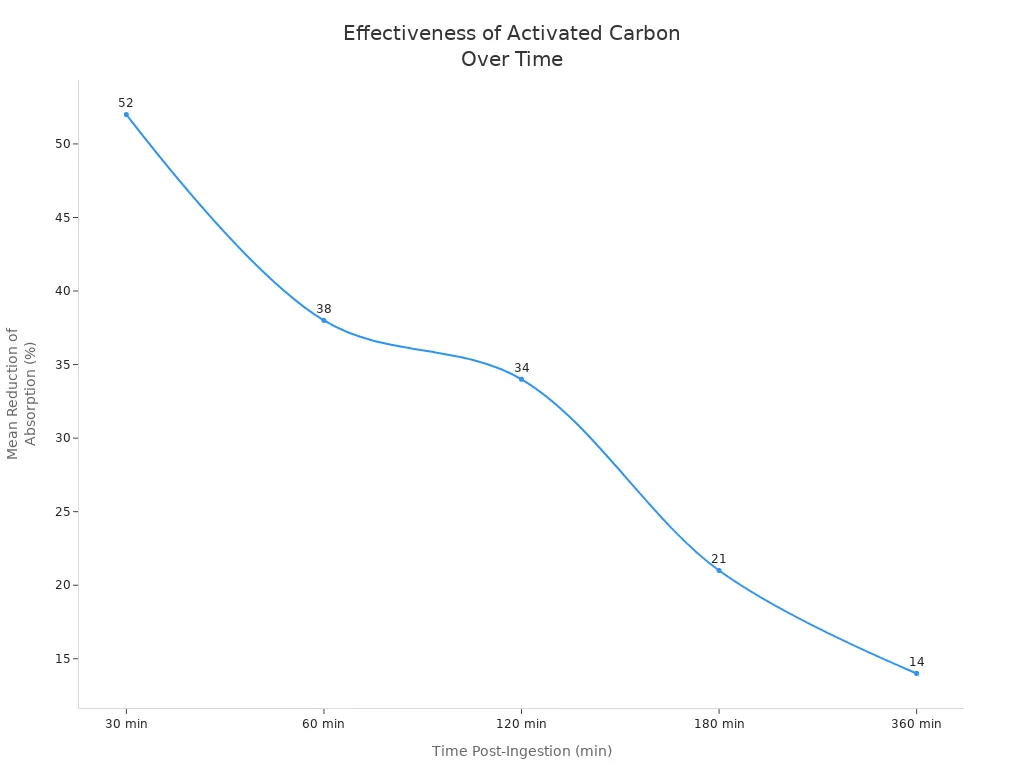
Doctors almost always give activated carbon within 90 minutes after poisoning. After 150 minutes, only a small number of patients receive it.
Time Post-Ingestion | Likelihood of Administration (%) |
|---|---|
< 90 min | 100% |
90-150 min | 30% |
> 150 min | 15% |
Tip: If you or someone you know swallows a harmful substance, seek medical help right away. Early treatment gives you the best chance for recovery.
Effectiveness and Limitations
Medical Activated Carbon can reduce the amount of poison your body absorbs if you take it quickly. It binds to many drugs and toxins, stopping them from entering your bloodstream. Doctors use it for life-threatening situations and follow clinical guidelines from groups like the National Institute for Clinical Excellence and the American Academy of Clinical Toxicology.
You may wonder how well it works. Studies show that activated carbon can lower the risk of serious illness if given soon after poisoning. However, some trials found no clear benefit in hospital stay or survival rates compared to supportive care. The effectiveness depends on the type of poison, how much you took, and how fast you received treatment.
Doctors must decide if activated carbon is right for you. They look at your symptoms, the poison involved, and your ability to swallow safely. Activated carbon is generally safe, but rare complications like lung aspiration can happen. Continuous monitoring helps prevent problems.
Some limitations include:
Activated carbon works best within the first hour.
It does not help with all poisons.
Studies show mixed results about its benefits.
Rare but serious side effects can occur.
Discharge Time (hours) | Complication Rate (%) | |
|---|---|---|
Activated Charcoal Only | 6.0 ± 0.3 | 0.9 |
Activated Charcoal + Ipecac | 6.8 ± 0.2 | 5.4 |
Note: Doctors use their judgment and consider your specific situation before recommending activated carbon.
Substances Not Treated by Activated Carbon
Activated carbon does not work for every poison. Some substances pass through your body without sticking to the carbon. You need to know which poisons activated carbon cannot treat.
Alcohols (like ethanol and methanol)
Diols
Strong acids and bases
Metals (such as lithium, sodium, iron, lead, arsenic)
Fluorine
Boric acid
Activated carbon mainly adsorbs nonpolar compounds. It does not bind well to polar substances or metals. The structure and surface of the carbon affect its ability to trap certain chemicals. Doctors choose other treatments for these poisons.
Alert: If you swallow a substance that activated carbon cannot treat, doctors may use different methods to help you.
Medical Activated Carbon remains a valuable tool for many poisoning cases, but you must understand its limits. Always follow medical advice and seek help quickly if you face a poisoning emergency.
Other Medical Uses of Activated Carbon
Digestive Issues and Gas Relief
You may find activated carbon in over-the-counter products for stomach problems. People often use it for gas, bloating, and diarrhea. Some research suggests it can help with diarrhea, especially in people with IBS-D (diarrhea-predominant irritable bowel syndrome). It may trap toxins or irritants in your gut, which can reduce symptoms. A 2018 review found that activated carbon might cause fewer side effects than other diarrhea medicines, but more studies are needed.
Doctors also look at how well it works for gas and bloating. One clinical trial in the USA and India tested activated carbon in 99 people. The results showed a significant drop in breath hydrogen levels and less bloating.
Study Type | Population Groups | Sample Size | Results | Significance |
|---|---|---|---|---|
Clinical Trial | USA and India | 99 (30+69) | Activated charcoal reduced breath hydrogen and bloating | p < 0.05 |
Note: Medical Activated Carbon is not a cure for all stomach issues. You should talk to your doctor before using it for digestive problems.
Cholesterol, Hangover, and Other Uses
Some people use activated carbon to lower cholesterol. Studies from the 1980s showed a drop in total and LDL cholesterol, and a rise in HDL cholesterol. Researchers believe it works by trapping bile acids and cholesterol in your gut, stopping your body from reabsorbing them. However, later studies found mixed results, and experts do not recommend it for cholesterol control.
Study Year | Findings | Source |
|---|---|---|
1986 | 25% decrease in total cholesterol, 41% decrease in LDL, 8% increase in HDL | The Lancet |
1989 | 29% decrease in total cholesterol, 41% decrease in LDL, HDL/LDL ratio improved by 121% | Eur J Clin Pharmacol |
1988 | No effect on hyperlipidemia | WebMD |
You may see claims that activated carbon helps with hangovers. This is not true. Alcohol passes through your stomach too quickly for activated carbon to work. No clinical evidence supports its use for hangover relief.
Other over-the-counter uses include teeth whitening and skin health, but these claims lack strong scientific support.
External Applications: Wounds and Hemoperfusion
Medical Activated Carbon is not just for swallowing. You may see it in wound dressings and blood purification treatments. In wound care, activated carbon cloth helps control odor and bacteria. It keeps wounds cleaner and can make dressings more comfortable.
Doctors use hemoperfusion columns with activated carbon to clean the blood. These columns remove toxins and waste products, especially in cases of poisoning or kidney failure.
Application | Description |
|---|---|
Hemoperfusion | Removes metabolic wastes and poisons from blood using activated carbon |
Wound care | Used in dressings for antimicrobial and anti-odor effects |
Tip: Always use medical products as directed by your healthcare provider. Not all uses of activated carbon are proven or safe for everyone.
Safety, Side Effects, and Precautions
Common Side Effects
You may notice some side effects when you use medical activated carbon. Most people tolerate it well, but you should know what to expect. The most common side effects include constipation, black stools, and sometimes diarrhea or vomiting. You might also see a black tongue after taking it. These effects usually go away on their own.
Here is a table of the most frequently reported side effects:
Side Effect | Notes |
|---|---|
Constipation | Common side effect when using activated charcoal. |
Black stools | Common side effect. |
Diarrhea | Can occur, especially with products containing sorbitol. |
Vomiting | Reported side effect. |
Black tongue | A less common side effect. |
Intestinal blockage | Occasional serious side effect. |
Dehydration | Can occur with use. |
Effects on fluid-electrolyte balance | Observed in clinical studies. |
Tip: Drink plenty of fluids if your doctor recommends activated carbon. This can help prevent constipation and dehydration.
Serious Risks and Contraindications
You must use caution with activated carbon in certain situations. Doctors do not give it to everyone. If you cannot swallow safely or have a weak gag reflex, you should not take it. People who have swallowed strong acids or bases, or have burns in the mouth, should avoid it. Babies under one year need a special, sorbitol-free formula.
The table below lists important risks and situations where you should not use activated carbon:
Description | |
|---|---|
Airway status | You must be alert with a strong gag reflex or have a secured airway. |
Timing | Works best if you take it within 1 hour of swallowing a toxin. |
Substance identification | Only use if the poison binds to charcoal. |
Caustic exposure | Do not use if you swallowed acids, alkalis, or have oral burns. |
Gastrointestinal obstruction | Risk increases with multiple doses or slow gut movement. |
Complications | Rare risks include aspiration into lungs and severe gut blockage. |
Alert: Doctors always weigh the risks and benefits before giving you activated carbon.
Drug and Treatment Interactions
Activated carbon can affect how your body absorbs other medicines. You should know that it can lower the effectiveness of oral drugs, including birth control pills. Timing matters. If you take birth control, you should take activated carbon at least 3 hours before or 12 hours after your pill to avoid problems.
Activated carbon can reduce the absorption of oral medications.
Hormonal birth control pills may not work as well if taken too close to activated carbon.
Always tell your doctor about all medicines you take before using activated carbon.
Note: Ask your healthcare provider for advice if you take regular medications. This helps you avoid unwanted interactions.
You can rely on activated carbon for emergency treatment of poisoning and overdose. The World Health Organization approves its use for these cases. You may also see benefits for gas relief and kidney support, but research shows mixed results for other uses.
Activated carbon treats overdoses and poisonings.
It may help with kidney function and reduce intestinal gas.
It can filter toxins in water and may prevent some types of diarrhea.
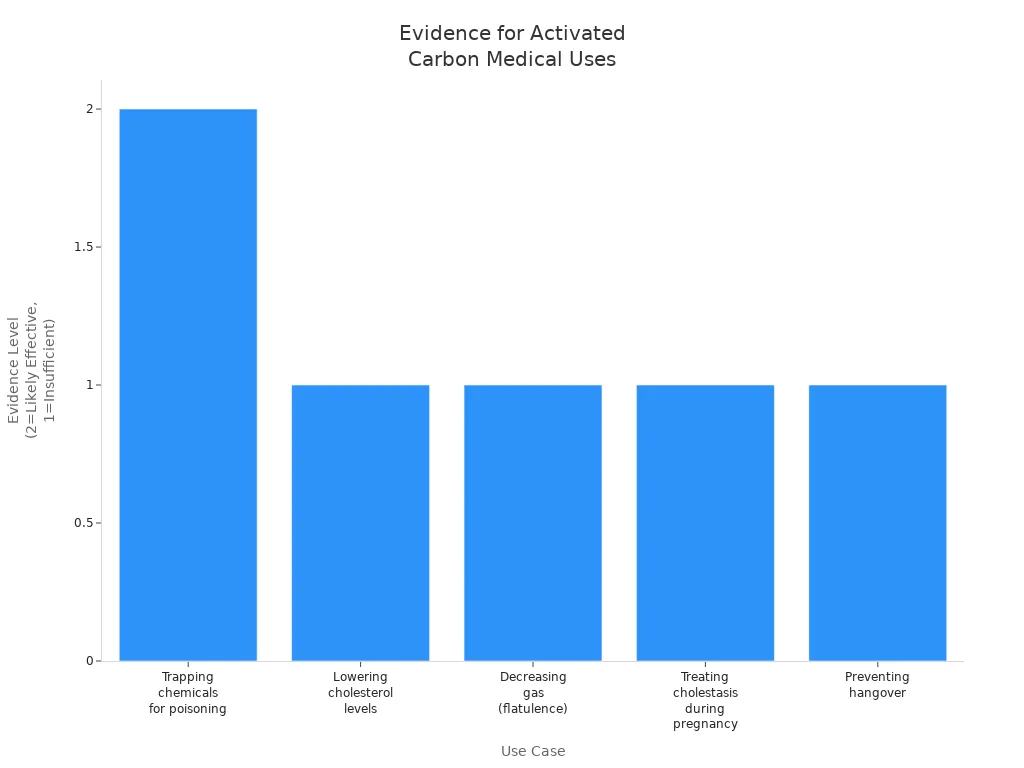
Use Case | Evidence Level |
|---|---|
Trapping chemicals for poisoning | Likely Effective |
Lowering cholesterol levels | Insufficient Evidence |
Decreasing gas | Insufficient Evidence |
Treating cholestasis in pregnancy | Insufficient Evidence |
Preventing hangover | Insufficient Evidence |
Always talk to your doctor before using activated carbon, especially if you have stomach problems or take other medicines. Your healthcare provider can help you decide if it is safe and right for you.
FAQ
Can you use activated carbon at home for poisoning?
You should not use activated carbon at home for poisoning. Always call your doctor or poison control center first. Medical staff must check your airway and give the correct dose.
Does activated carbon treat all types of poison?
Activated carbon does not treat every poison. It cannot bind alcohols, metals, acids, or bases. Doctors use other treatments for these substances.
What side effects should you watch for?
You may notice constipation, black stools, or vomiting. Rarely, you could have intestinal blockage. Drink water as your doctor recommends to help prevent problems.
Can you take activated carbon with other medicines?
Activated carbon can lower the effectiveness of oral medicines.
You should tell your doctor about all drugs you take before using activated carbon.