Catalytic Activated Carbon

Scene Details

Catalytic activated carbon represents a significant advancement in adsorption technology, engineered to go beyond simple physical trapping of contaminants. This specialized form of activated carbon possesses enhanced surface chemistry that facilitates chemical reactions, transforming pollutants into harmless substances. This page details the unique properties and applications of catalytic carbon, explaining its pivotal role in water treatment, air purification, and chemical processes where standard adsorption is insufficient. We will explore its reactive mechanisms, optimal product forms, and the solutions it provides for tackling some of the most persistent and challenging contamination problems.

Role of Activated Carbon

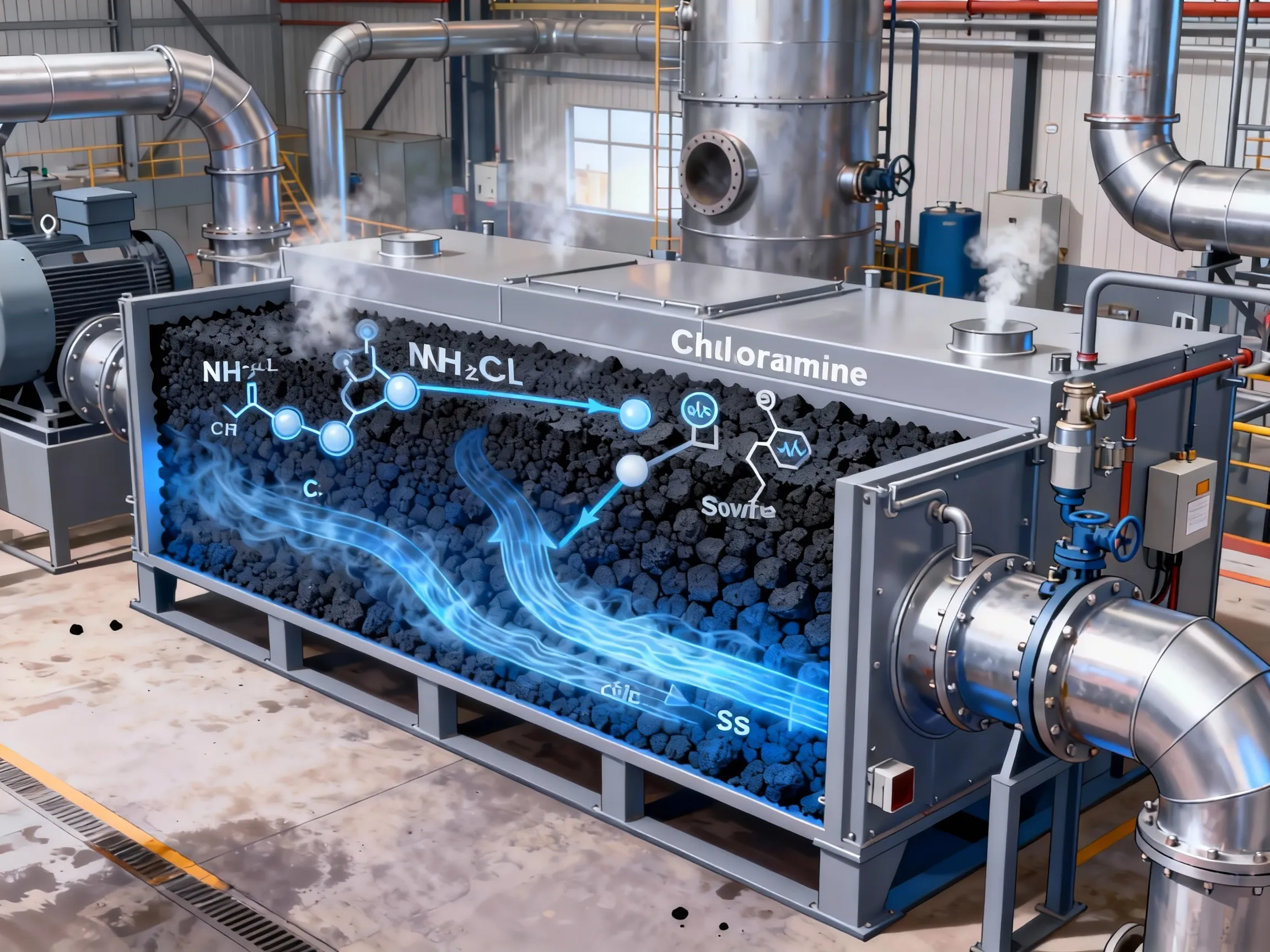
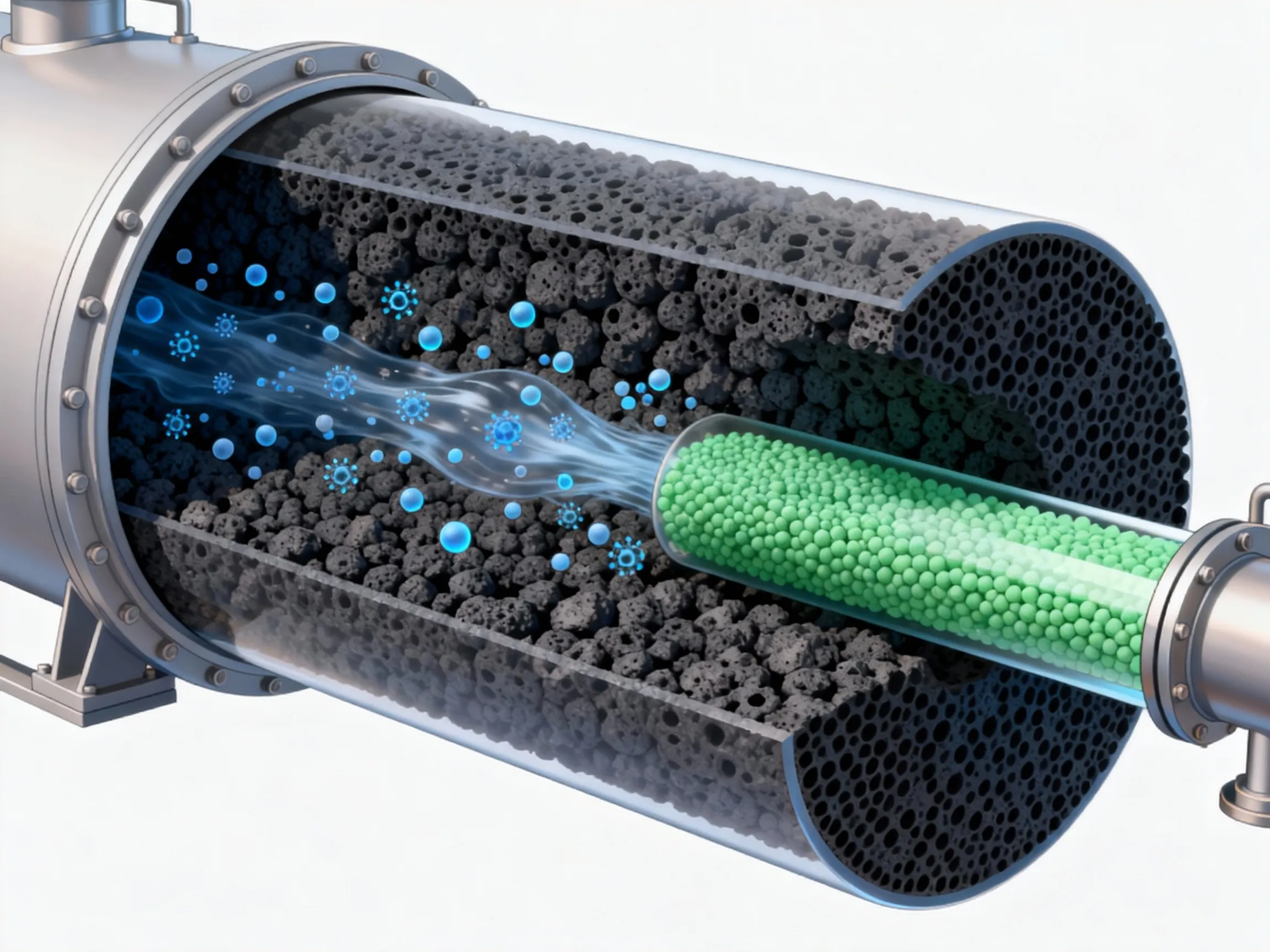
Catalytic activated carbon serves a dual function: adsorption and catalysis. While its porous structure provides high surface area for physical adsorption, its true value lies in its chemically active surface sites. These sites promote oxidation-reduction reactions or hydrolysis, breaking down target contaminants. A prime example is the catalytic decomposition of chloramines in water into harmless chlorides and nitrogen, or the oxidation of hydrogen sulfide to sulfuric acid. This reactive capability allows it to handle pollutants that are difficult to remove by adsorption alone, offering a more complete and often more efficient purification solution.

Related Product Categories

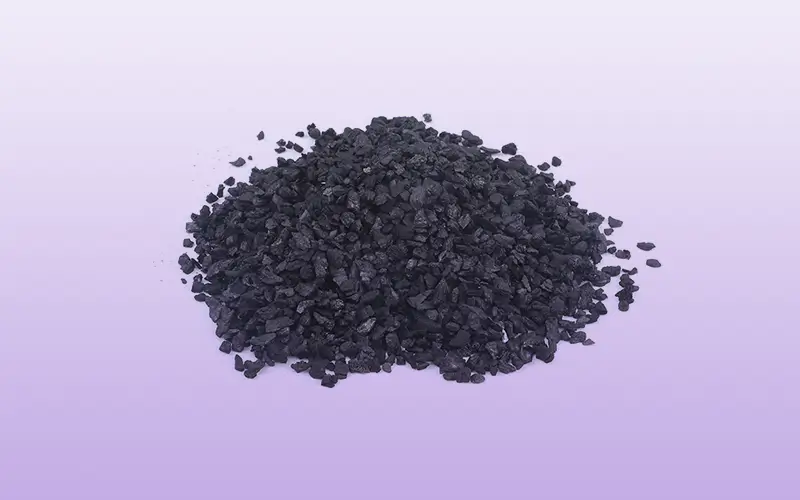
Catalytic Granular Activated Carbon (GAC)

Designed for fixed-bed reactors in continuous flow systems, such as municipal water treatment for chloramine removal or air purification.
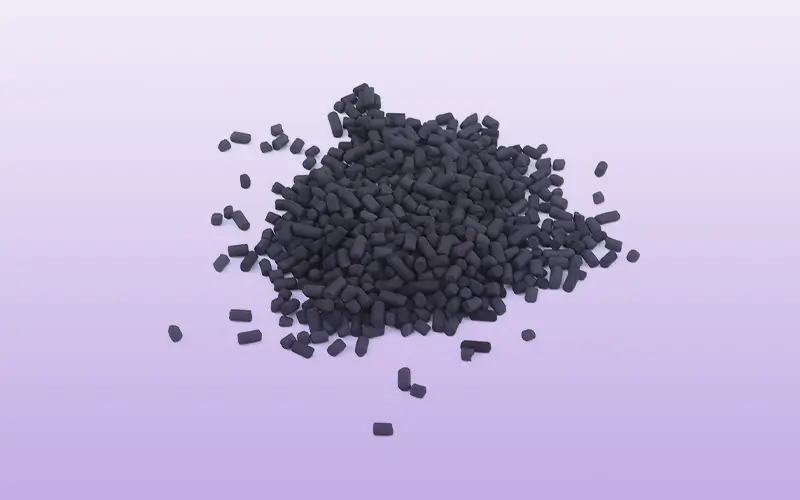
Catalytic Pelletized Activated Carbon

Offers excellent flow characteristics and mechanical strength for use in scrubbers and industrial gas-phase reactors.

Impregnated Catalytic Carbon

A subset where specific catalytic metals or compounds (e.g., potassium permanganate) are added to the carbon to target very specific chemical transformations.
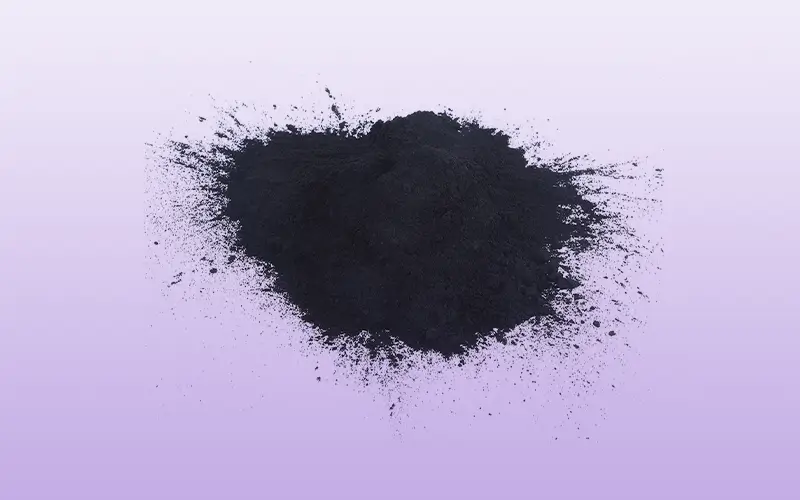
Metal-Supported Catalytic Carbon

Utilizes the carbon as a high-surface-area support for precious or transition metal catalysts, used in specialized chemical synthesis.
Specific Solutions

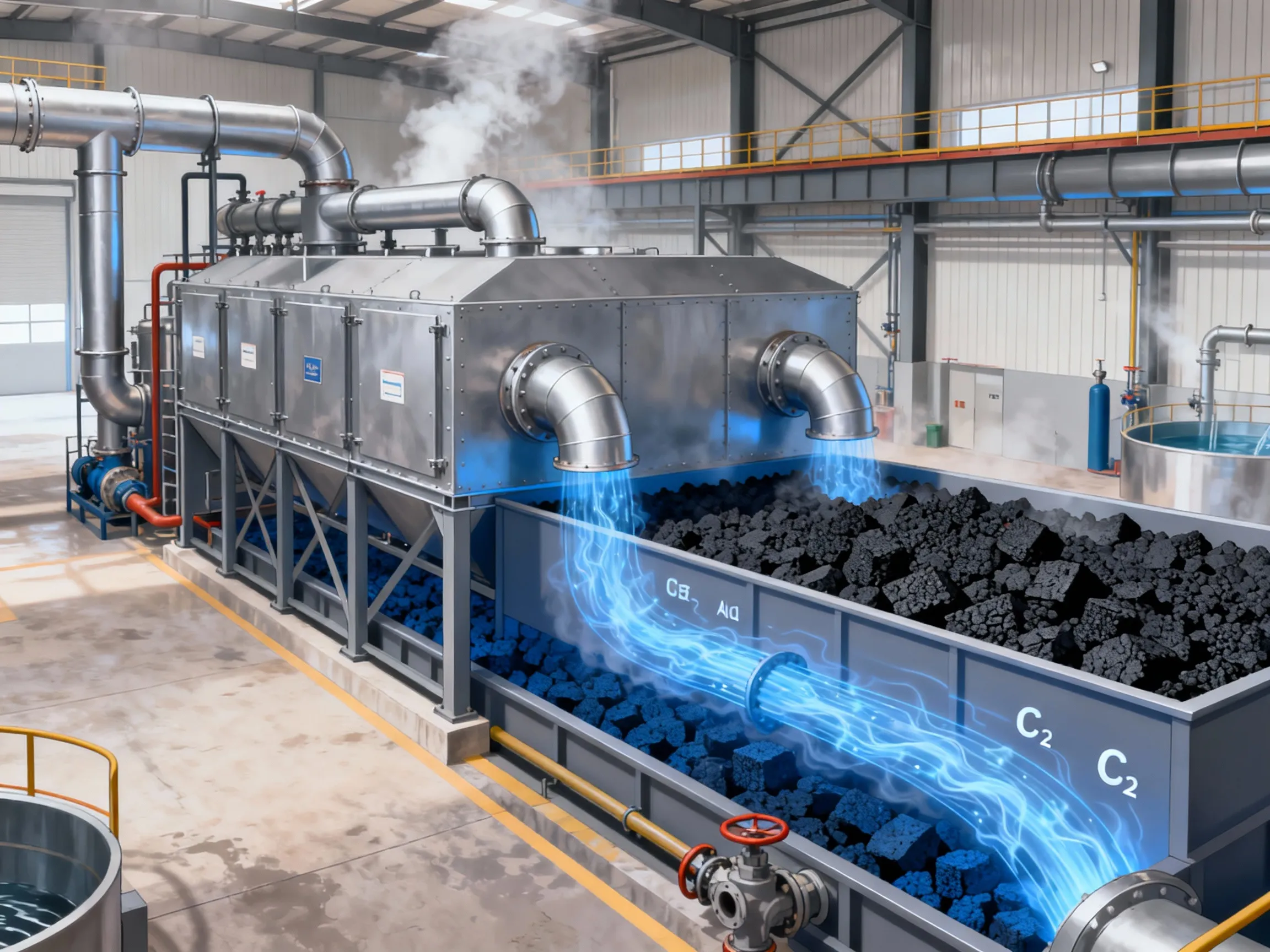
Municipal Drinking Water: Chloramine & Hydrogen Sulfide Removal

A major application is in municipal water treatment for removing chloramines, a persistent disinfectant. Standard GAC cannot effectively remove chloramines. Catalytic carbon, however, catalyzes the breakdown of monochloramine (NH₂Cl) into harmless chloride ions, nitrogen gas, and water. Similarly, it converts dissolved hydrogen sulfide (H₂S) into sulfate. This is typically implemented in fixed-bed filters at treatment plants or as a point-of-entry solution, protecting distribution systems and ensuring safe, odor-free drinking water without the risk of disinfectant by-product formation associated with other methods.

Industrial Air Purification: VOC & Odor Oxidation

For industrial air streams containing volatile organic compounds (VOCs) and reduced sulfur compounds (like mercaptans), catalytic carbon offers a powerful solution. In this application, the carbon catalyzes the oxidation of these pollutants at ambient or slightly elevated temperatures. For instance, it can oxidize ethanol to acetic acid and eventually to CO₂ and water, or convert methyl mercaptan to dimethyl disulfide. This process is highly effective in confined space air revitalization, fume abatement in manufacturing, and treating complex odorous emissions from wastewater or food processing plants.

Chemical Process & Catalyst Protection

In the chemical and petrochemical industries, catalytic carbon is used as a guard bed to protect expensive downstream catalysts. It removes trace impurities like oxygenates, chlorine compounds, or arsenic from feedstocks that would otherwise poison the primary process catalysts (e.g., in hydrogenation or reforming units). By catalytically destroying or adsorbing these impurities, it extends the life and maintains the activity of the main catalyst. It is also used in specific synthesis reactions where its porous structure and surface functionality actively participate as a catalyst support or a reactant in processes like phosgene synthesis or vinyl chloride monomer production.

Why Choose Us

Proprietary Catalytic Formulations

We develop and produce specialized catalytic carbons with optimized surface chemistry for high activity and long service life in targeted applications.

Application-Specific Performance Validation

We provide laboratory testing and performance data tailored to your specific contaminant stream, ensuring the selected carbon will deliver the required results.

Expertise in Reactive Adsorption Systems

Our technical team offers deep knowledge in designing systems that leverage both the adsorptive and catalytic properties of carbon for maximum efficiency.

Consistent Quality for Process Reliability

We maintain stringent manufacturing controls to ensure every batch of catalytic carbon delivers predictable and reliable performance in your critical processes.

Scroll to Top

Get Inquiry

Name