Mercury Removal Activated Carbon

Scene Details

Mercury removal is a critical environmental challenge, particularly for coal-fired power plants, waste incinerators, and industrial facilities. Mercury emissions pose significant risks to human health and ecosystems. Activated carbon injection (ACI) technology has become the leading and most proven solution for effective mercury control from flue gas streams. This page details how specially engineered activated carbons, primarily brominated or sulfur-impregnated, are designed to capture and retain vapor-phase mercury. We will explore the adsorption mechanisms, key product characteristics, and implementation strategies that ensure reliable compliance with stringent mercury emission regulations worldwide.

Role of Activated Carbon

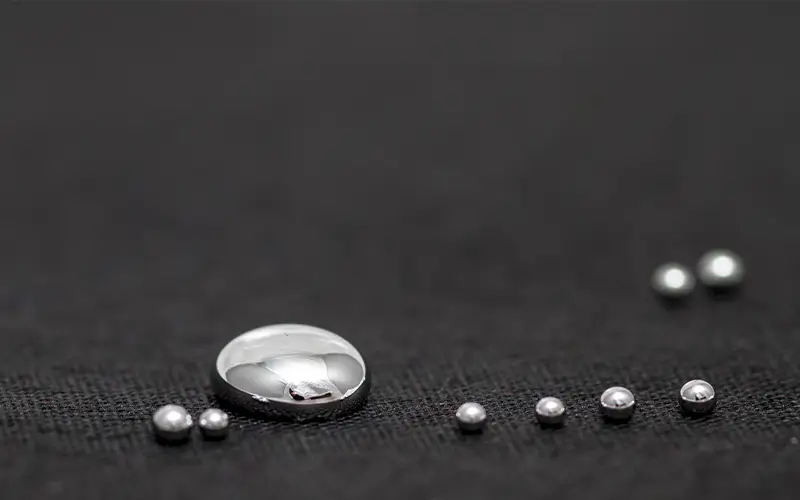
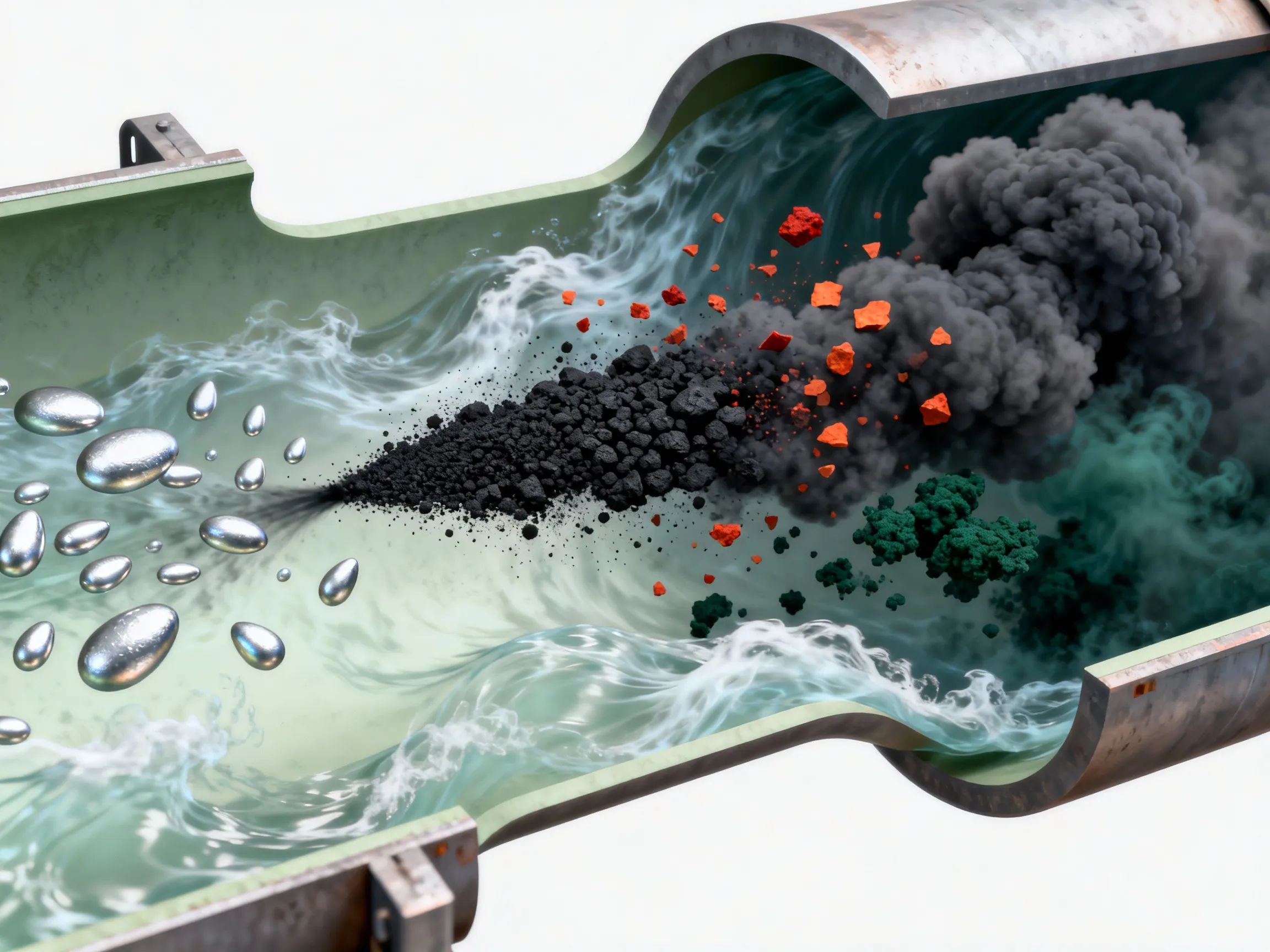
In mercury removal, activated carbon acts as a highly effective adsorbent. Standard activated carbon has a limited capacity for elemental mercury (Hg⁰). Therefore, specialized impregnated carbons are used, where the carbon is treated with halogen compounds (like bromine) or sulfur. These impregnants chemically react with the mercury vapor in the flue gas, forming stable mercury compounds (e.g., mercuric bromide) that are strongly bound within the carbon’s pore structure. This chemisorption process allows for high mercury capture efficiencies, even at low concentrations and in complex gas matrices, making it the cornerstone of modern mercury control technology.

Related Product Categories

Brominated (Halogenated) Activated Carbon

The industry standard for coal-fired flue gas, where bromine impregnation enables high capture rates of elemental mercury across various coal types.

Sulfur-Impregnated Activated Carbon

Highly effective in environments with low SO₃ concentrations, utilizing a strong sulfur-mercury affinity for capture, often used in industrial gas streams.
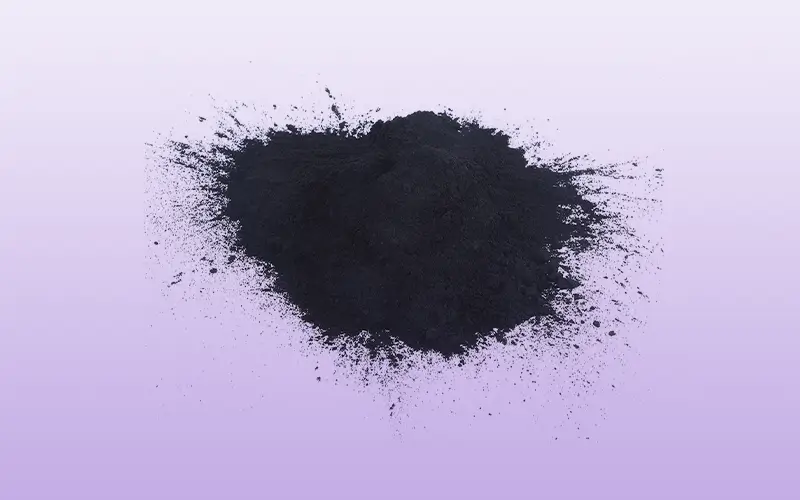
Powdered Activated Carbon (PAC) for ACI

The physical form used in Activated Carbon Injection systems, finely ground for rapid dispersion and maximum contact with flue gas in ductwork.
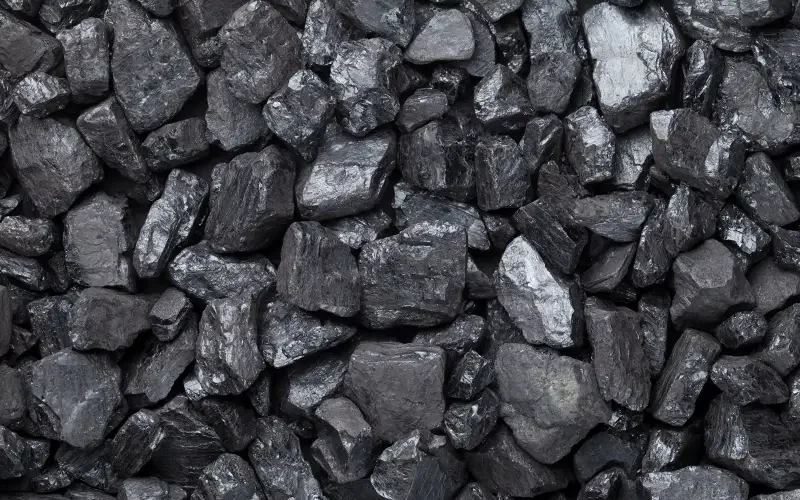
Bituminous Coal Based PAC

A common and robust base material for impregnation, offering good performance and cost-effectiveness for large-scale utility applications.
Specific Solutions

Activated Carbon Injection (ACI) for Coal-Fired Power Plants

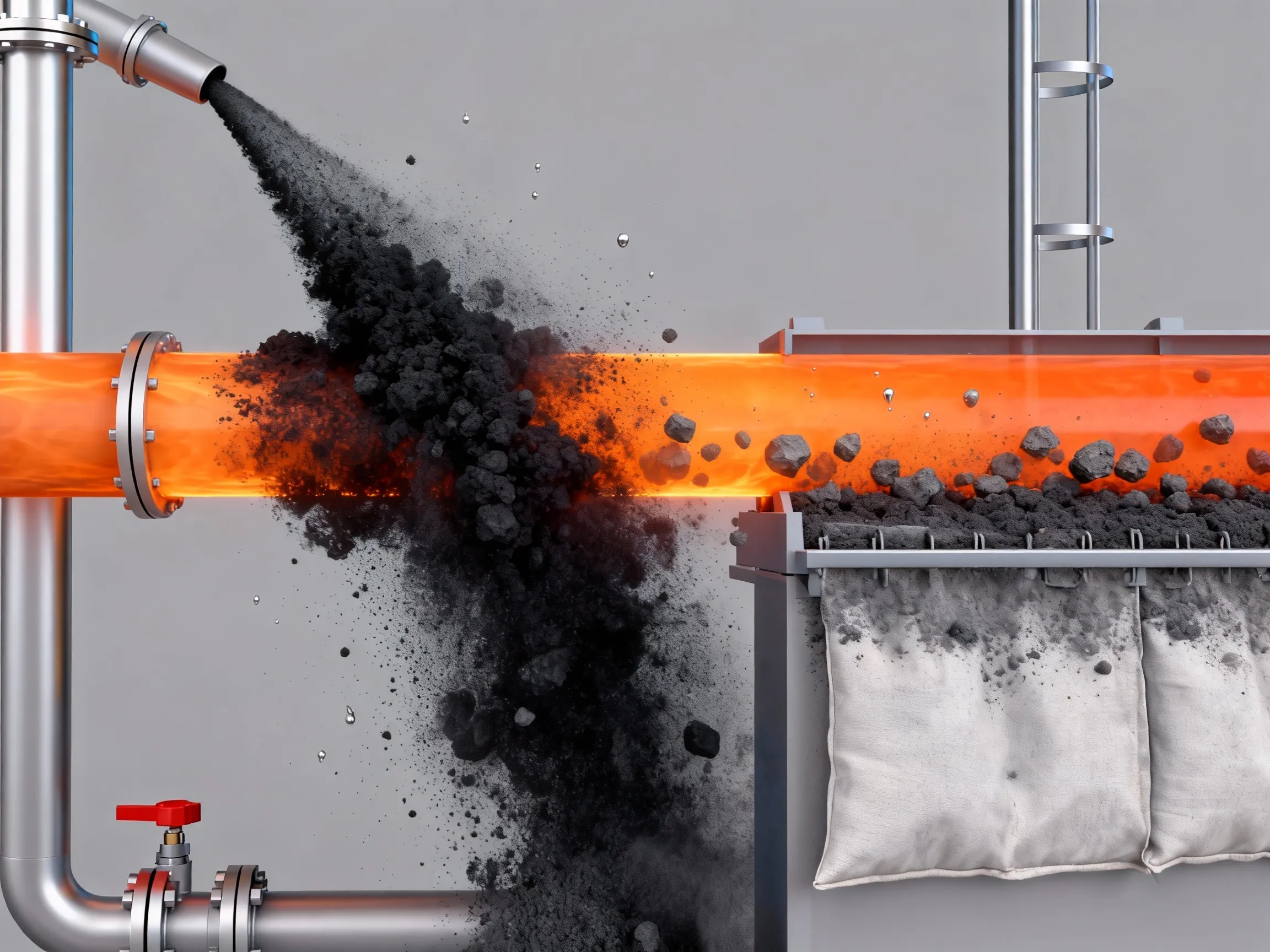
This is the dominant solution for mercury control in the power sector. Powdered, brominated activated carbon is continuously injected into the flue gas duct downstream of the air heater and upstream of the particulate control device (baghouse or ESP). The finely divided carbon particles disperse and adsorb mercury as they travel with the gas. The mercury-laden carbon is then captured along with the fly ash by the particulate collector. This system is highly effective, can be retrofitted to existing plants, and allows for real-time control of injection rates based on mercury load and coal type.

Mercury Control in Waste-to-Energy & Incineration

Municipal solid waste (MSW) incinerators and hazardous waste incinerators are significant mercury sources due to mercury-containing items in the feed. ACI technology is also applied here, often with specially tailored impregnated carbons. The carbon is injected into the flue gas, where it captures not only mercury but also other trace metals and dioxins/furans. Given the highly variable waste stream, the carbon formulation and injection strategy are optimized to handle fluctuating mercury concentrations and gas chemistry, ensuring consistent compliance with strict emission limits for these facilities.

Industrial Process Gas & Natural Gas Treatment

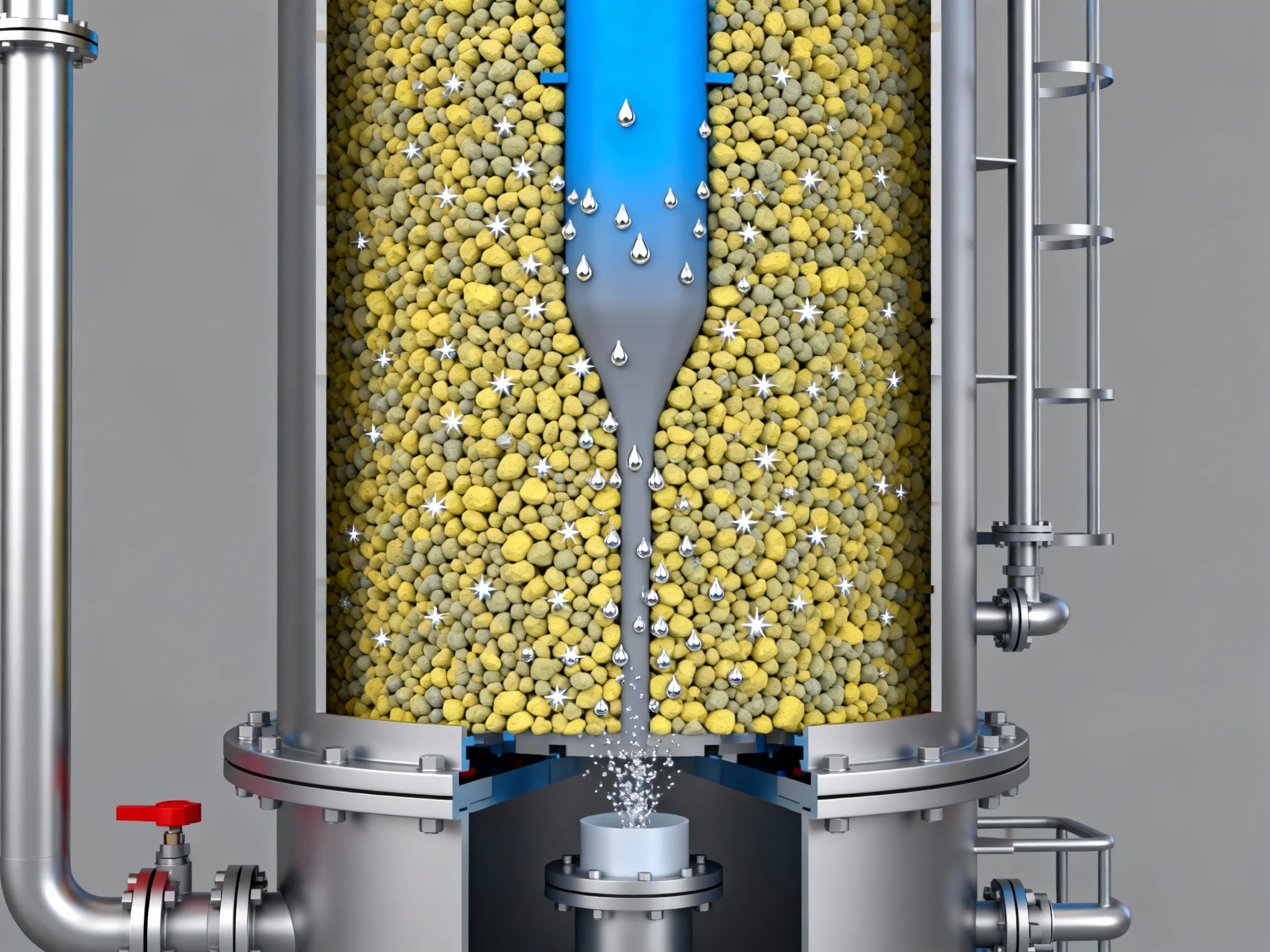
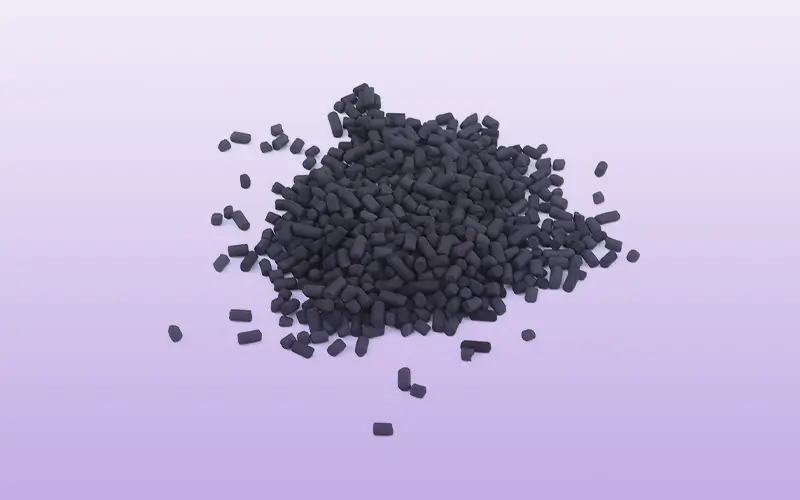
For industrial processes like cement manufacturing or non-ferrous metal production, and for purifying natural gas streams, fixed-bed filters containing granular sulfur-impregnated activated carbon are often employed. The gas stream passes through a vessel packed with the carbon, where vapor-phase mercury is chemisorbed. This solution is ideal for lower flow rates or where a powdered injection system is not feasible. It provides a robust, “set-and-forget” method for deep mercury removal to protect downstream catalysts and equipment from poisoning and corrosion, and to meet product specifications.

Why Choose Us

Advanced Impregnation Technology

We master both brominated and sulfur-impregnation chemistries, allowing us to recommend the optimal carbon for your specific flue gas conditions and mercury species.

Proven High Capture Efficiency

Our products are engineered and tested for maximum mercury capacity and fast kinetics, ensuring reliable performance to meet the most stringent regulatory limits.

Full-Scale Application Expertise

We provide comprehensive technical support, from initial pilot testing and modeling to full-scale ACI system design and optimization.

Global Supply Chain for Critical Compliance

We ensure a reliable, high-volume supply of consistent-quality carbon to support your continuous emission control obligations.

Scroll to Top

Get Inquiry

Name