DeNOx Activated Carbon

Scene Details

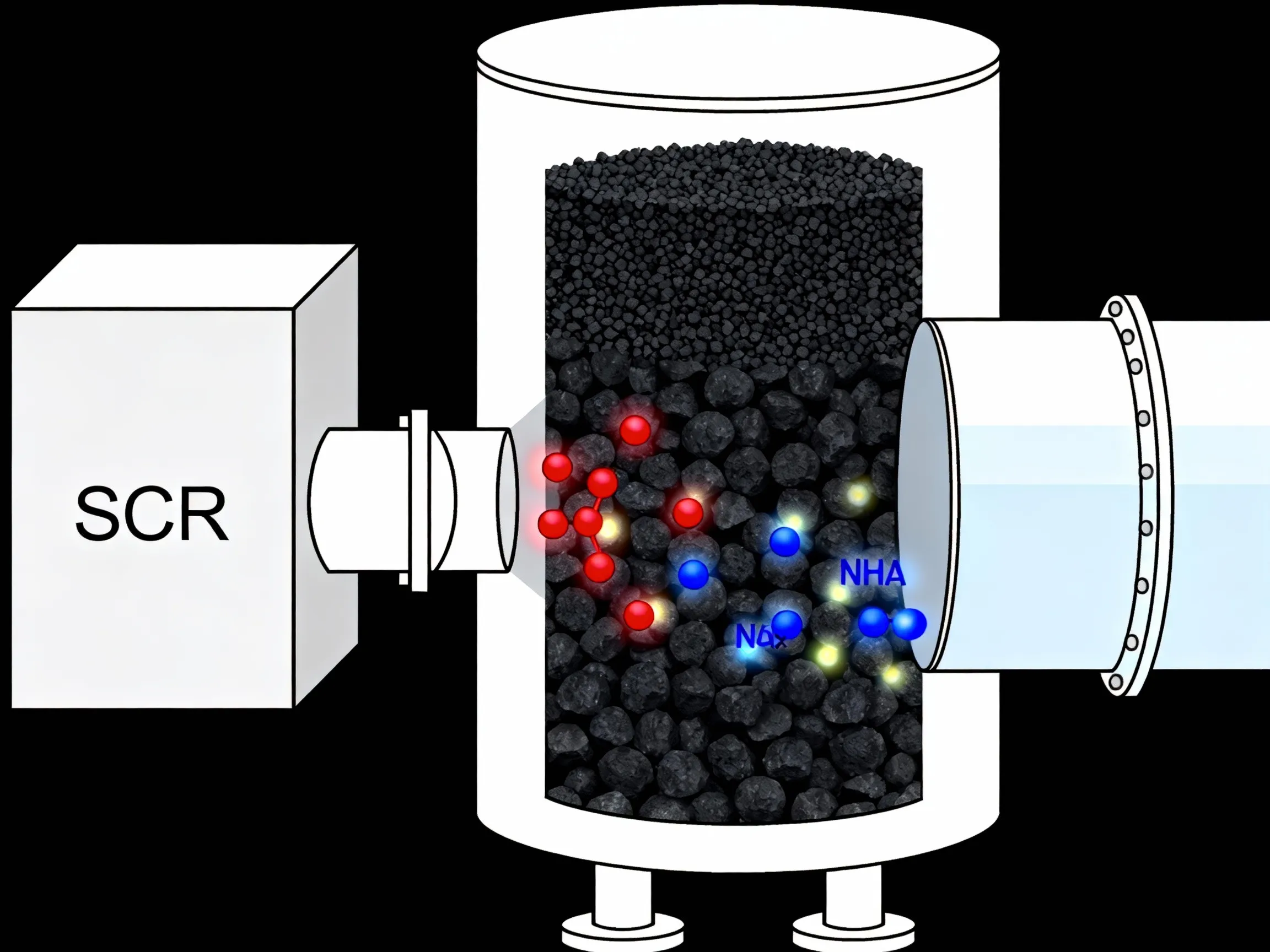
DeNOx, the removal of nitrogen oxides (NOx) from industrial flue gases, is a critical environmental imperative to combat air pollution and acid rain. Activated carbon presents a unique and effective adsorption-based solution for NOx control, particularly in specific niche applications. This page details how activated carbon, especially in impregnated forms, can be utilized to reduce NOx emissions. We will explore its dual role as an adsorbent and a catalyst, the optimal product forms for different temperature regimes, and how it integrates into broader air pollution control strategies for various combustion sources.

Role of Activated Carbon

Activated carbon contributes to DeNOx through two primary mechanisms: adsorption and catalytic reduction. Its porous structure can physically adsorb NOx gases at lower temperatures. More significantly, when impregnated with compounds like ammonia or specific alkaline agents, it acts as a catalyst to facilitate the selective catalytic reduction (SCR) of NOx. In this process, NOx reacts with a reducing agent (like ammonia) on the carbon’s catalytic surface to form harmless nitrogen and water vapor. This makes impregnated carbon a versatile medium for NOx abatement in tailored applications.

Related Product Categories

Impregnated Activated Carbon

Chemically treated with ammonia or other catalytic agents to actively promote the reduction of NOx to nitrogen within its pore structure.
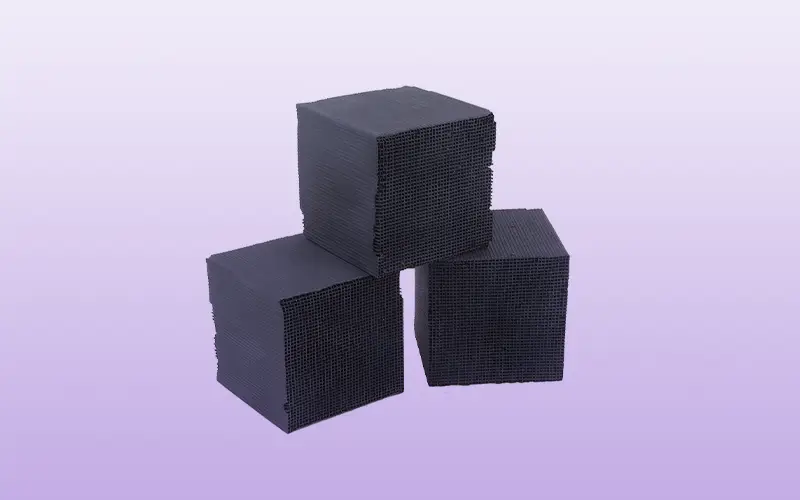
Honeycomb Activated Carbon

Its monolithic structure offers very low pressure drop, ideal for fitting into compact spaces within flue gas ducts for NOx adsorption.
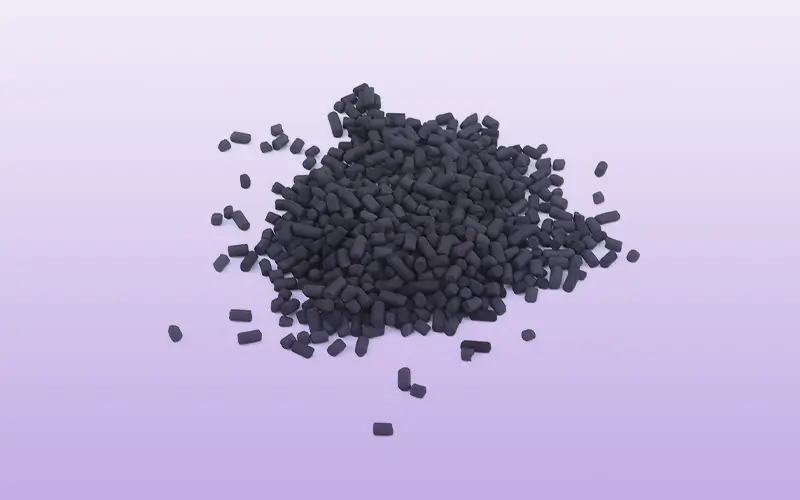
Pelletized Activated Carbon

Provides mechanical strength for moving-bed or fixed-bed reactors in DeNOx systems, ensuring consistent gas contact and catalytic activity.
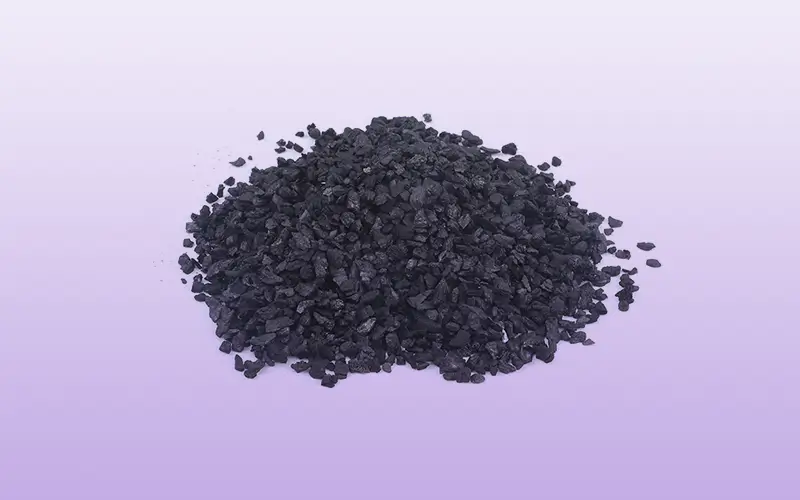
Catalytic Activated Carbon

Engineered with a tailored surface chemistry to enhance the adsorption and conversion of nitrogen oxide molecules.
Specific Solutions

Low-Temperature SCR & Combined Removal Systems

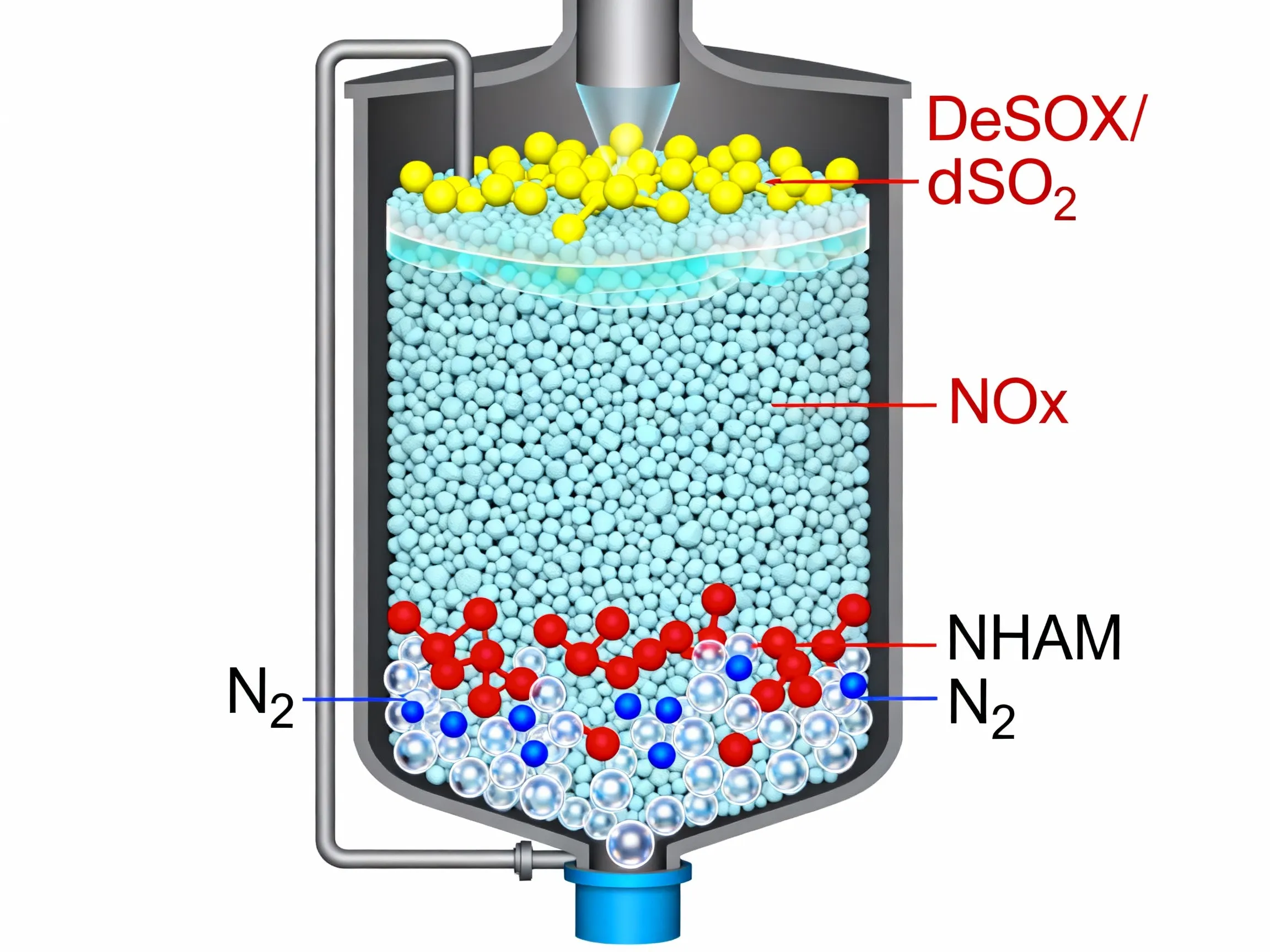
For industrial processes with flue gases at low to moderate temperatures (e.g., certain chemical processes, waste incineration post-SCR), ammonia-impregnated activated carbon can serve as a combined DeNOx and DeSOx solution. The gas passes through a bed of this carbon, where SO2 is first adsorbed and oxidized to sulfuric acid, and NOx is catalytically reduced by the ammonia to nitrogen. This integrated “DeSOx/DeNOx” approach in a single unit operation is highly efficient for specific off-gas streams, simplifying the pollution control train.

Adsorptive DeNOx for Flue Gas Polishing

In applications where primary DeNOx (e.g., SCR) is installed, a downstream activated carbon adsorber can act as a polishing unit. This is particularly valuable for removing slip ammonia (excess NH3 from the SCR process) and any residual NOx. The carbon bed adsorbs both compounds, preventing ammonia slip emissions and ensuring the final exhaust meets the most stringent emission limits. This solution enhances the reliability and performance of the main SCR system and is often used in municipal waste incinerators and industrial boilers.

Mobile & Marine Source Applications

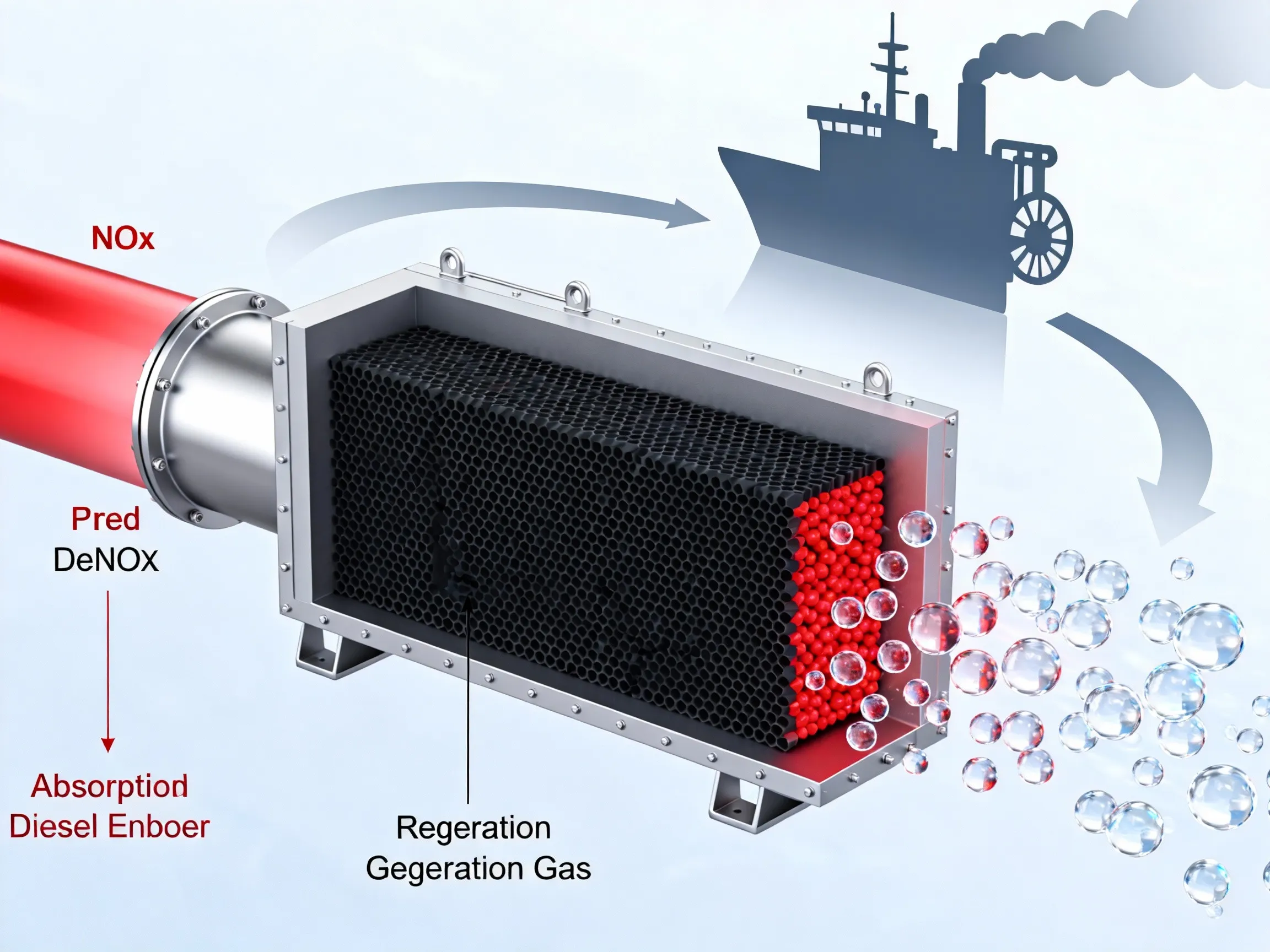
For diesel engines on ships, locomotives, or in decentralized power generation, compact DeNOx solutions are needed. Honeycomb or pelletized catalytic activated carbon can be integrated into smaller-scale SCR systems or used as an adsorptive trap. During engine operation, NOx is stored on the carbon. During a periodic regeneration cycle, the stored NOx is released and reduced to nitrogen. This approach is valued for its adaptability to fluctuating loads and space constraints, providing an effective emission control solution for mobile and marine sources.

Why Choose Us

Tailored Impregnation Expertise

We customize chemical impregnations to match your specific gas composition, moisture level, and sulfur species for optimal performance.

High Sulfur Loading Capacity

Our engineered carbons are designed for extended service life and high sulfur retention, reducing change-out frequency and operational costs.

Complete Technical Support

We provide comprehensive assistance with system design, performance modeling, and troubleshooting to ensure your desulfurization success.

Proven Reliability in Critical Streams

Our products are trusted in demanding applications worldwide, from biogas to natural gas, ensuring consistent protection for your assets.

Scroll to Top

Get Inquiry

Name