
Desalination Activated Carbon

Scene Details

Desalination is a critical process for providing fresh water in arid regions, but it faces significant challenges from seawater contaminants that can foul and damage sensitive reverse osmosis (RO) membranes. Pretreatment is essential for efficient and cost-effective desalination operations. This page explains how activated carbon serves as a vital pretreatment technology, effectively removing chlorine, organic matter, and other contaminants from seawater intake. We will explore its protective mechanisms, optimal product selection for different plant configurations, and practical implementation strategies to enhance membrane longevity and ensure reliable production of high-purity water.

Role of Activated Carbon

In desalination pretreatment, activated carbon performs two crucial functions: dechlorination and organic removal. Its highly porous structure provides extensive surface area for adsorbing dissolved organic compounds, color, and biological matter that contribute to membrane fouling. Additionally, activated carbon catalytically decomposes residual chlorine and chloramines used in initial disinfection, which would otherwise irreversibly damage polyamide RO membranes. By implementing activated carbon filtration, plant operators can significantly reduce fouling potential, decrease cleaning frequency, extend membrane life, and maintain optimal desalination performance while lowering operational costs.

Related Product Categories

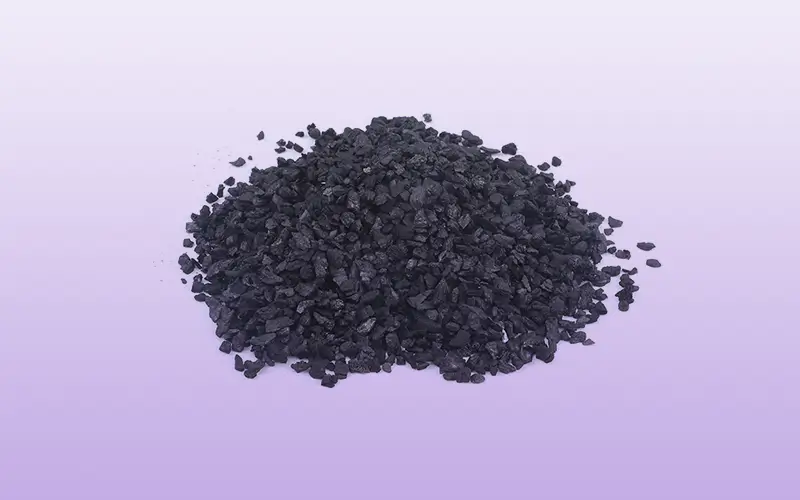
Granular Activated Carbon (GAC)

Ideal for fixed-bed filters in continuous flow systems, providing efficient chlorine removal and organic reduction for large-scale desalination plants.

Wood Based Activated Carbon

Features a macroporous structure suitable for capturing large organic molecules and natural organic matter present in seawater.
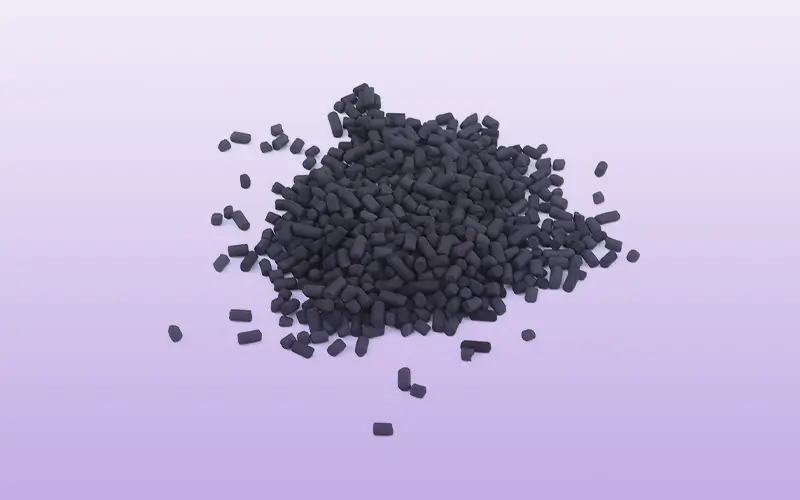
Catalytic Activated Carbon

Specifically designed for rapid dechlorination, effectively breaking down chlorine compounds to protect sensitive RO membranes.

Bituminous Coal Based GAC

Offers excellent hardness and abrasion resistance, maintaining structural integrity in challenging seawater conditions.

Specific Solutions

Seawater Reverse Osmosis (SWRO) Pretreatment

For large-scale SWRO plants, granular activated carbon filters serve as a critical pretreatment stage after initial screening and clarification. Seawater passes through beds of catalytic GAC where residual chlorine from the pretreatment disinfection stage is completely removed through catalytic reduction. Simultaneously, the carbon adsorbs dissolved organic compounds, trace pharmaceuticals, and other micro-pollutants that contribute to biological fouling and scaling. This dual-action protection significantly extends membrane lifespan, reduces cleaning frequency, and maintains consistent permeate quality, making the overall desalination process more economical and reliable.

Brackish Water Treatment & Brine Management

In brackish water desalination applications, activated carbon pretreatment addresses specific challenges of inland water sources. GAC systems effectively remove agricultural runoff contaminants, pesticides, and natural organic matter that can foul membranes and affect product water quality. For brine management, specialized activated carbon can help treat concentrate streams by reducing organic content before disposal or further treatment, potentially enabling resource recovery. This approach is particularly valuable for inland desalination facilities facing strict discharge regulations and seeking to minimize environmental impact while maintaining operational efficiency.

Drinking Water Polishing for Desalination Plants

After the primary desalination process, activated carbon serves as an important polishing step to ensure the final water meets drinking water standards. While RO membranes remove most contaminants, some volatile compounds and residual tastes may remain. GAC filters positioned after the RO system effectively adsorb these trace contaminants, including any remaining disinfection by-products or synthetic compounds. This polishing stage enhances water aesthetics by improving taste and odor, provides an additional safety barrier, and increases public acceptance of desalinated water as a high-quality drinking water source.

Why Choose Us

Specialized Marine-Grade Products

Our activated carbons are specifically selected and tested for optimal performance in high-salinity seawater applications.

Proven Fouling Reduction

Independent studies confirm our GAC products significantly reduce silt density index (SDI), protecting your membrane investment.

Technical Expertise in Desalination

Our engineers understand seawater chemistry and can design optimized filtration systems for your specific intake conditions.

Global Supply Chain Reliability

With strategic manufacturing and distribution partners worldwide, we ensure timely delivery to coastal desalination plants.

Scroll to Top

Get Inquiry

Name