
Drinking Water Treatment Activated Carbon

Scene Details

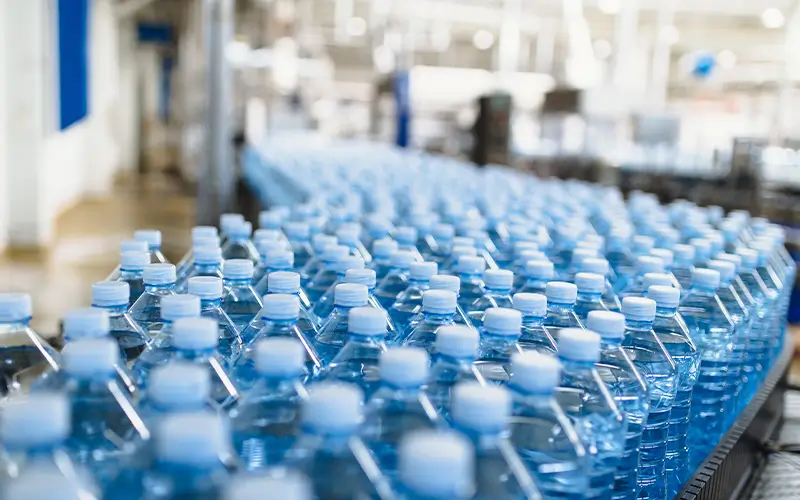
Drinking water treatment is a critical process to ensure public health and safety by removing harmful contaminants, unpleasant tastes, and odors from water supplies. Activated carbon stands as a proven and trusted technology in this field, effectively purifying water from both municipal systems and private wells. This page details how activated carbon filtration serves as a vital barrier against a wide array of pollutants, including chlorine, organic chemicals, and microplastics. We will explore its purification mechanisms, the ideal product forms for different treatment stages, and practical solutions to deliver clean, safe, and great-tasting water for communities and households.

Role of Activated Carbon

In drinking water treatment, activated carbon acts through a process called adsorption, where contaminants are trapped within its vast network of microscopic pores. It is highly effective at removing chlorine and chloramines, significantly improving the taste and odor of water. Furthermore, it adsorbs a wide spectrum of volatile organic compounds (VOCs), pesticides, and other synthetic organic chemicals, reducing potential health risks. Its porous structure also provides a surface for the removal of some heavier metals and particulate matter. This makes activated carbon an essential component for achieving high-quality drinking water that meets stringent regulatory standards.

Related Product Categories

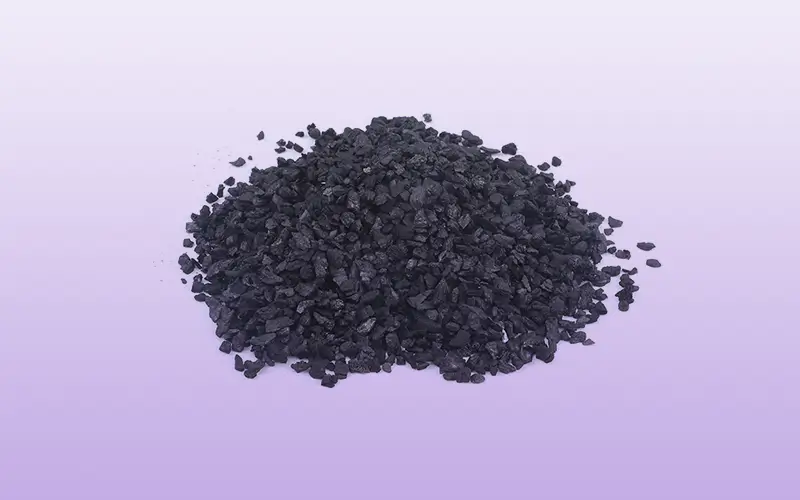
Granular Activated Carbon (GAC)

The standard for fixed-bed filters in point-of-entry systems and municipal plants, offering high capacity for chlorine and organic chemical removal.
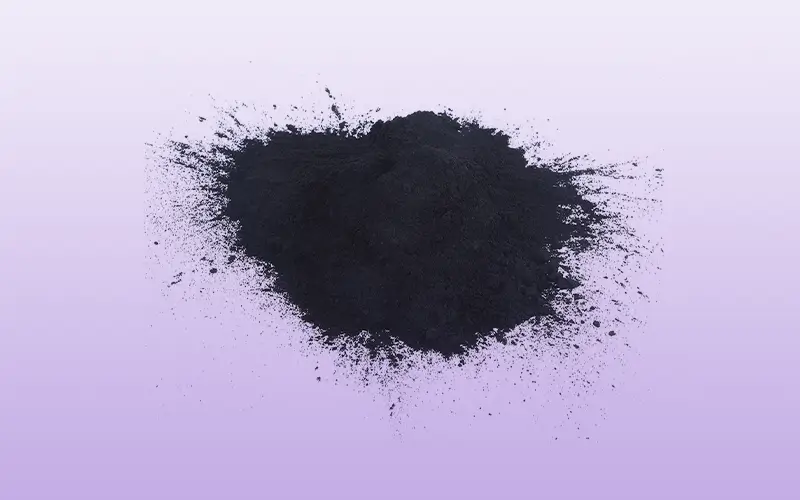
Powdered Activated Carbon (PAC)

Used for periodic treatment in municipal plants to control seasonal taste, odor, or chemical contamination events effectively.

Impregnated Activated Carbon

Specially formulated to target and enhance the removal of specific contaminants like lead, arsenic, or chloramines from drinking water.
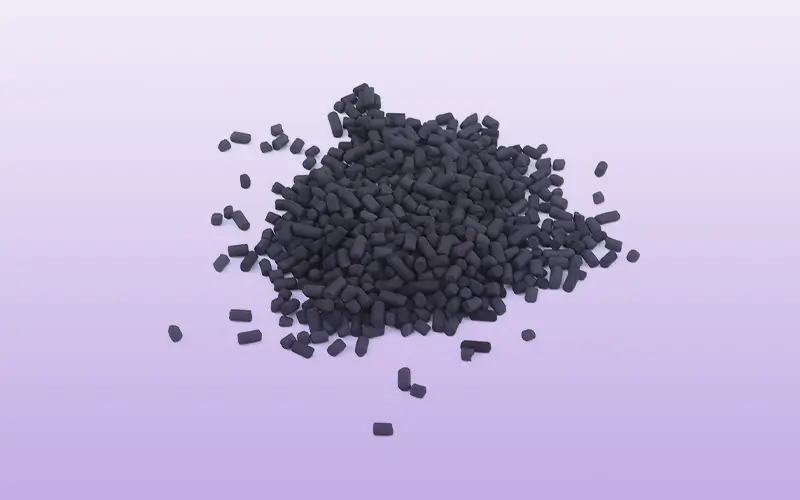
Catalytic Activated Carbon

Designed to catalytically break down chloramines, protecting dialysis machines and ensuring safe water for sensitive applications.

Specific Solutions

Municipal Water Treatment Plants

In municipal settings, Granular Activated Carbon (GAC) is used in large-scale contactors as a final polishing step after conventional treatment. As water flows through these massive filters, GAC efficiently removes residual chlorine, which is essential for disinfection but causes unpleasant taste and odor. More importantly, it adsorbs dissolved organic compounds, synthetic chemicals, and disinfection by-products (DBPs) that can form during treatment. This solution is crucial for utilities to comply with drinking water standards and provide palatable, safe water to the entire community.

Point-of-Use/Point-of-Entry Filters

For residential and commercial buildings, activated carbon is the core media in under-sink filters, refrigerator filters, pitcher filters, and whole-house systems. These compact units, typically using GAC or carbon blocks, provide a final barrier at the tap. They effectively remove chlorine, VOCs, and pesticides, directly improving the taste and safety of water used for drinking and cooking. This solution empowers individuals to take control of their water quality, ensuring clean water for their families and protecting appliances from scale and corrosion.

Emergency Response and Contaminant Spill Control

Activated carbon is a first-line defense in emergencies involving chemical spills into water sources. Powdered Activated Carbon (PAC) can be injected directly into water intake points at treatment plants to adsorb a sudden influx of pollutants like industrial solvents or pesticides. Its rapid deployment capability helps mitigate public health risks and prevents widespread contamination. This application highlights the critical role of activated carbon as a flexible and powerful tool for safeguarding drinking water supplies against unexpected contamination events.

Why Choose Us

NSF Certified Products

Our activated carbons are tested and certified to NSF/ANSI standards for material safety and performance in drinking water applications.

Superior Purity & Quality

We manufacture with strict controls to ensure low abrasion, minimal dust, and consistent high adsorption capacity for reliable results.

Extensive Application Knowledge

Our technical team provides expert guidance on system design and media selection for both municipal and residential projects.

Dedicated Support

We offer comprehensive customer service, from initial consultation to ongoing supply chain management, ensuring your project's success.

Scroll to Top

Get Inquiry

Name