
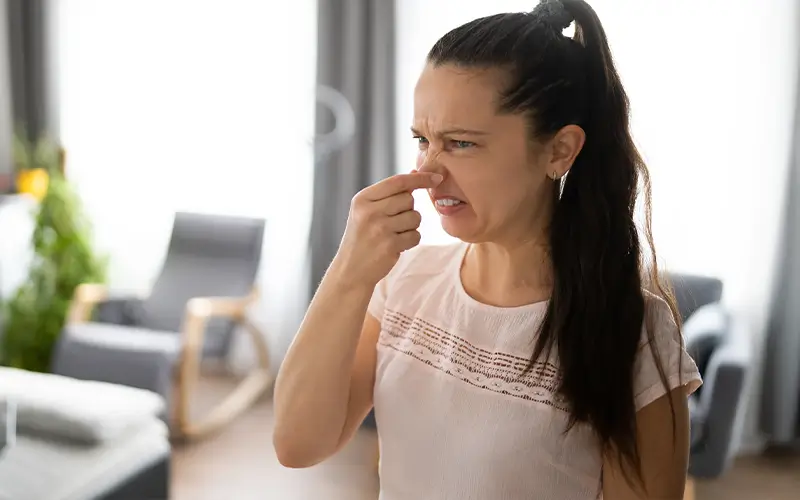
Bio odor control Activated Carbon

Scene Details

Bio odors, originating from wastewater treatment, composting facilities, food processing, and agricultural operations, present a significant environmental and community challenge. These complex odors, primarily composed of compounds like hydrogen sulfide, ammonia, and mercaptans, require robust and reliable control solutions. This page details how activated carbon serves as a highly effective and versatile technology for neutralizing a wide spectrum of biological odors. We will explore the adsorption mechanisms, the optimal product forms for different emission sources, and practical implementation strategies to achieve lasting odor abatement and ensure regulatory and social compliance.

Role of Activated Carbon

Activated carbon is exceptionally effective in bio odor control due to its powerful adsorption capacity. Its extensive porous structure provides a massive surface area to physically trap and retain a wide range of odor-causing molecules, including volatile organic compounds (VOCs), hydrogen sulfide (H₂S), and ammonia (NH₃). For particularly challenging or specific gases like H₂S, impregnated activated carbon can be used, which not only adsorbs but also catalyzes a chemical reaction to convert the gas into a non-odorous compound. This dual physical and chemical action makes activated carbon a preferred choice for delivering clean, odor-free air from even the most demanding bio-generating sources.

Related Product Categories

Impregnated Activated Carbon

Chemically enhanced to specifically target and neutralize acidic gases like hydrogen sulfide and mercaptans, common in wastewater and biogas.
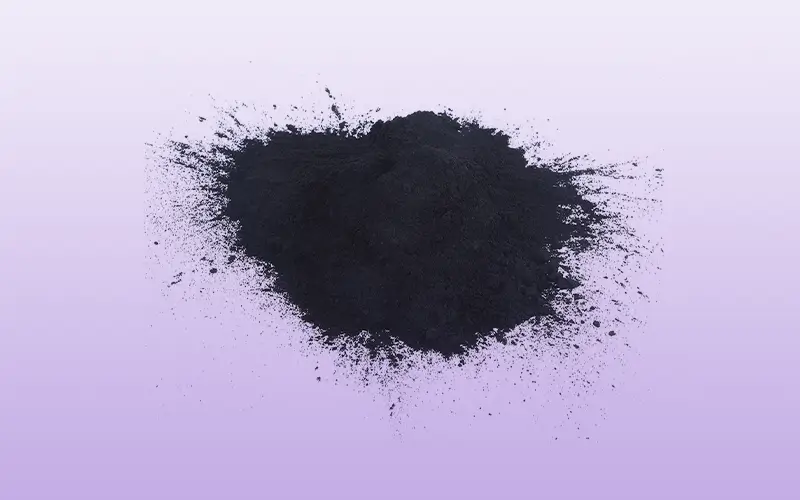
Powdered activated carbon

Offers high mechanical strength and low pressure drop, ideal for scrubbers and systems handling high-moisture gas streams.
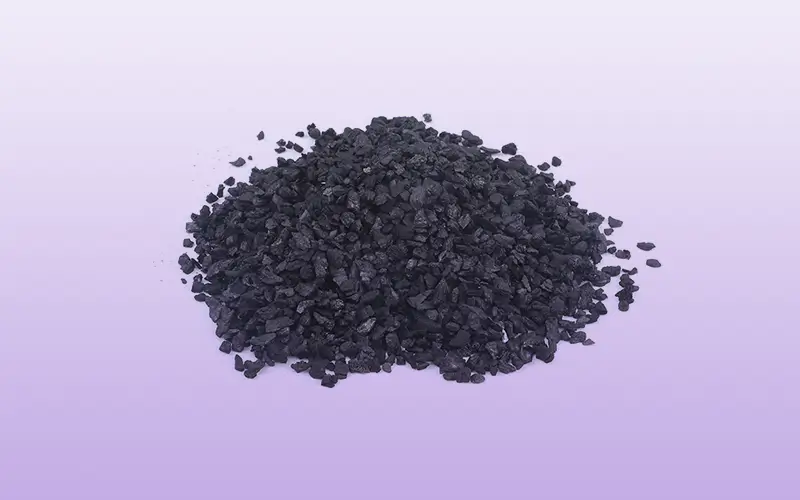
Granular activated carbon

Provides high capacity and is well-suited for deep-bed filters in ventilation systems treating lower concentration bio odors.
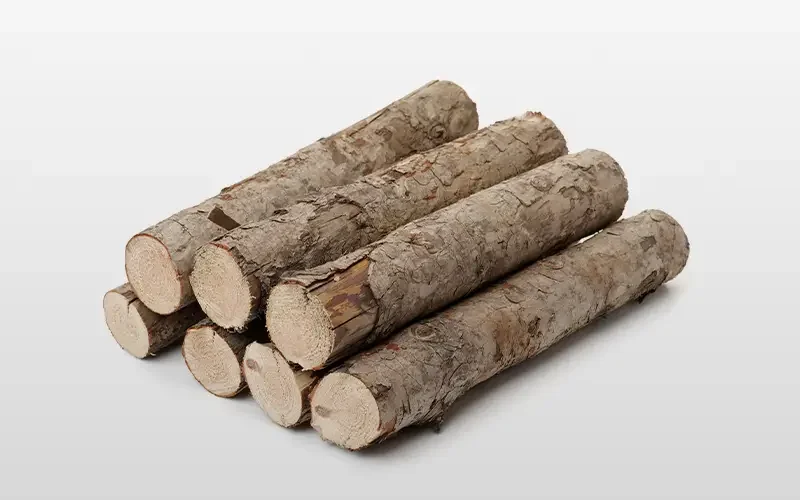
Wood Based Activated Carbon

Features a large pore structure ideal for adsorbing larger organic odor molecules from composting and biological processes.

Specific Solutions

Wastewater Treatment Plant Odor Control

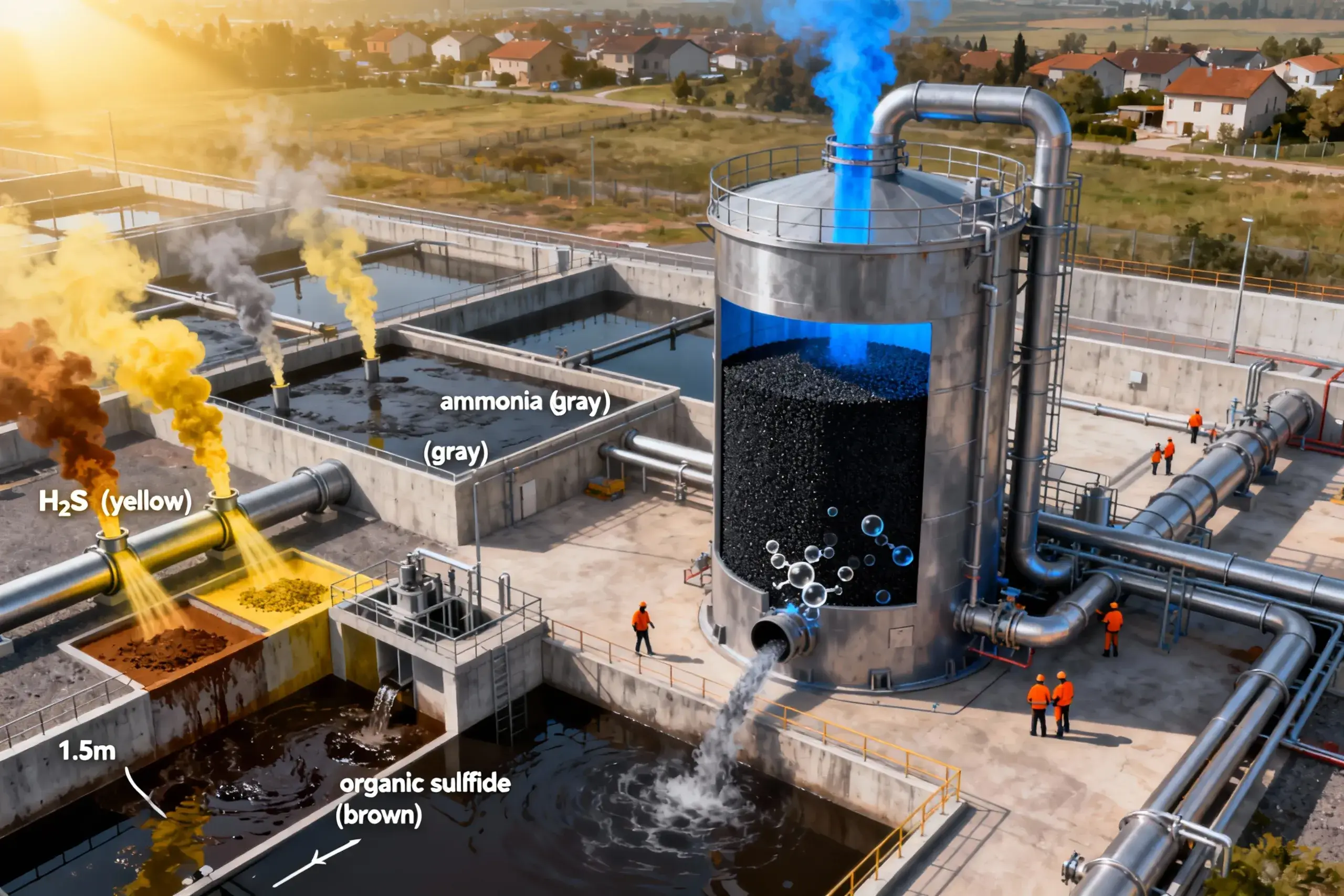
In wastewater treatment facilities, headworks, sludge handling areas, and lift stations are primary odor sources. Here, granular or pelletized activated carbon is used in adsorption towers or scrubbers. Contaminated air is collected and passed through the carbon bed, where foul-smelling gases like hydrogen sulfide, ammonia, and organic sulfides are effectively trapped. This solution is crucial for preventing community nuisance, protecting worker health, and mitigating the corrosive effects of H₂S on facility infrastructure, ensuring reliable and compliant plant operation.

Composting and Organic Waste Processing

Composting facilities generate a complex mixture of odors from decomposing organic matter. For this application, wood-based or impregnated activated carbon is highly effective, often deployed in biofilters as a polishing stage or in dedicated carbon filter units. The carbon adsorbs a wide range of volatile organic acids, amines, and sulfur compounds that cause offensive smells. This solution allows facilities to operate in proximity to residential areas, turning a potential waste management issue into a sustainable and community-friendly operation.

Food & Beverage Processing Odor Abatement

Food processing plants, such as those for fish, meat, or rendering, produce strong, persistent biological odors. Activated carbon systems, typically using pelletized or impregnated carbon, are installed on exhaust vents and ventilation systems. They efficiently capture and remove complex organic molecules responsible for the odors. This not only eliminates nuisance complaints but also helps companies adhere to strict air quality regulations, maintain a positive corporate image, and ensure a better working environment for employees.

Why Choose Us

Targeted Product Portfolio

We offer a range of standard and impregnated carbons specifically formulated to tackle the most challenging bio-odors like H₂S and ammonia.

Proven Application Expertise

Our technical team provides expert guidance on system design and carbon selection, ensuring optimal performance for your specific odor challenge.

Consistent High Quality

Our rigorous manufacturing controls guarantee high adsorption capacity and long service life, providing reliable and cost-effective odor control.

Rapid & Reliable Supply

We understand the urgency of odor issues and maintain strong logistics to deliver the products you need, when you need them.

Scroll to Top

Get Inquiry

Name