

Impregnated Activated Carbon

  • Home /
  • Impregnated Activated Carbon

Classification Introduction

Because of the impregnation process, the activation carbon has full structure when compared to the original activation carbon which gives it greater capacity to trap various contaminants than standard activated carbon products. This technique creates dual function absorbent materials with enhanced physical/chemical properties providing a more efficient means of capturing and removing hazardous vapours, gases and liquids than standard activated carbon alone could provide. Additionally, the enhanced selectivity in activated carbon produced by the impregnation process will only enhance its application in highly specialized applications such as targeted chemical protection for workers, focused chemical air venting or any industrial application requiring highly specific removal of vapour, gas or liquid contaminants.

Product Advantages and Characteristics

Why Choose Us

Manufacturing

We guarantees that all our impregnated carbon products have the Same consistent chemical distribution and performance & quality standards by utilizing unique manufacturing processes and properly administering quality control.

Sales

A large variety of impregnated carbon products that provide us with the flexibility to develop custom-made solutions to remove multiple contaminants for a diverse group of industries.

Technical Support

We offer expert technical support in determining the appropriate type of impregnated carbon, as well as developing/implementing optimized operating parameters, to ensure the best production efficiency possible.
Relevant Application Scenarios

Chemical

Classifications Descriptions Impregnated carbons are created through chemical processes to produce specific materials for specific chemical processes where the target contaminants are removed and their catalytic conversion is performed.

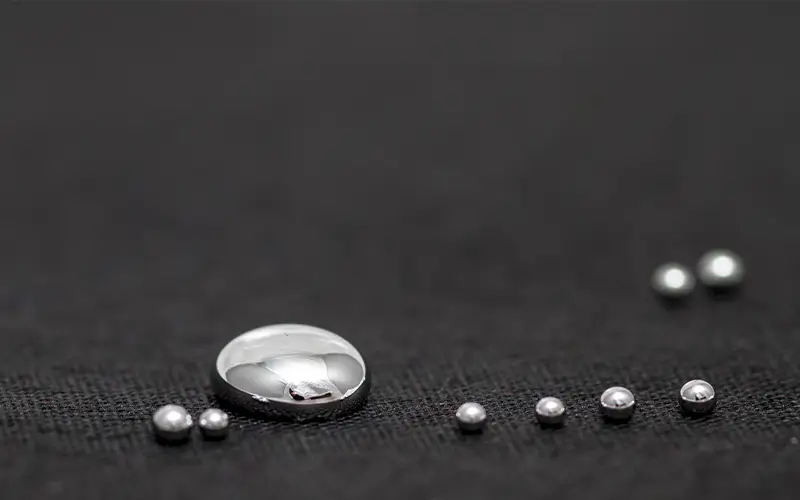
Mercury Removal

Impregnated carbons have been created specifically to eliminate vapor-phase mercury found in flue gases generated by power plants and other industrial processes.
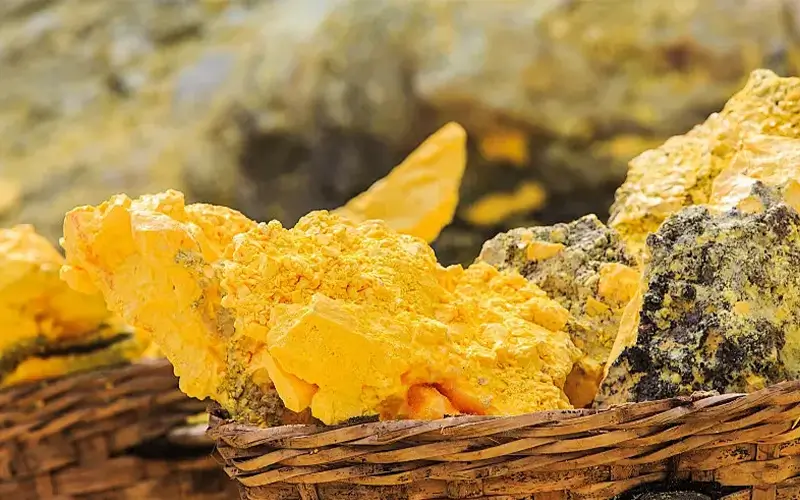
Desulfurization

The process of using a chemical to remove hydrogen sulfide and other sulfur compounds from the gas stream creates a chemical reaction with the impregnated agents.
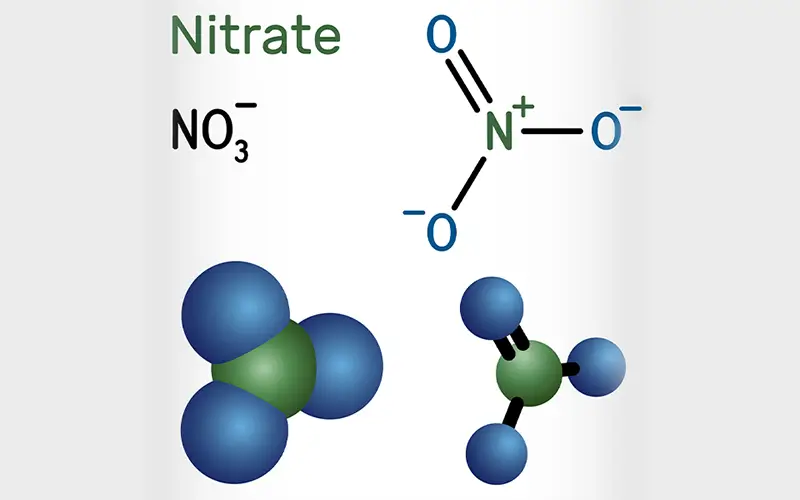
DeNOx

By catalytically reducing nitrogen oxides, impregnated catalytic components can be used to help reduce the nitrogen oxides emitted from exhaust streams

Air / Gas Treatment

Impregnation creates a unique type of impregnated carbon that creates an effective solution to the problem of removing specific gaseous contaminants that an ordinary activated carbon would not be able to effectively eliminate.
 

Industrial Gas Waste Treatment developed specifically to target and remove specific toxic gas and chemical weapons from industrial waste gas and ventilation systems.

Special impregnated carbons have been created to create a solution to the problem of eliminating hydrogen sulfide and other corrosive vapors from the biogas created during the treatment of wastewater and converting it into energy.
Personal Protection Classifications

Descriptions Personal protection projects created from impregnated carbon have created enhanced personal protection products to be used against specific chemical threats when worn in conjunction with personal protective equipment for respiratory applications.

Mask Used by military, industry, and emergency response personnel, the mask allows for the maximum level of protection against a wide variety of different types of dangerous gases and chemicals.

Scroll to Top

Get Inquiry

Name